Last year The Not Forgotten was involved in the pilot of a programme we had never tried before in our 104-year history - an art engagement project for veterans.
This programme - entitled 'Behind the Mask' - was created by the Department of State Bureau Overseas Buildings Operations Office of Cultural Heritage at the U.S. Embassy London. The idea was to bring a group of veterans together at a retreat and encourage them to explore their emotions and their often traumatic experiences through the painting of masks.
The team at the Office of Cultural Heritage, led by senior curator Joseph Angemi Jr., had witnessed the power of art therapy through the creation of masks by an American veteran cohort, and approached The Not Forgotten to see if we were interested in spearheading a pilot programme with British veterans.
This brought us, on a summer's week in June 2024, to Ashcombe in Devon where twelve TNF beneficiaries gathered to be willing 'guinea pigs' on the project.
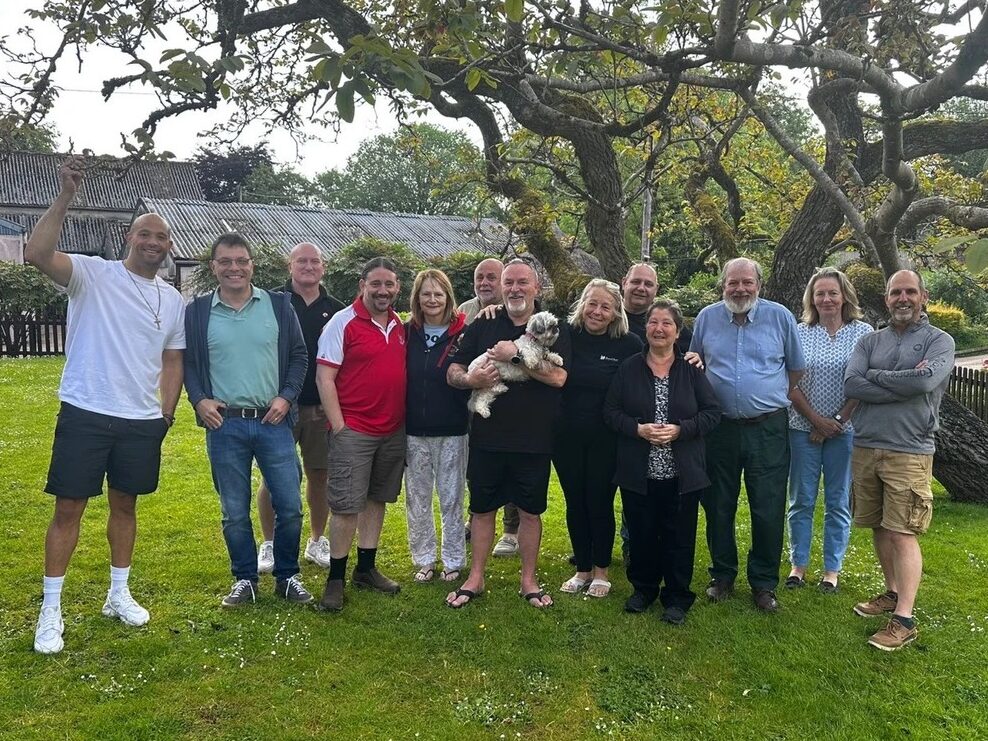
After settling in to this tranquil setting; bonding, reflecting, and visiting places in the local area as inspiration, the group spent many hours forming the designs for their masks and bringing them to life in vivid paint. Some of the group were more artistic or experienced than others but that didn't matter - what mattered was using the artistic process as a form of therapy, the veterans exploring their past and its impact on their mental health; how it has shaped them as the person they are today.
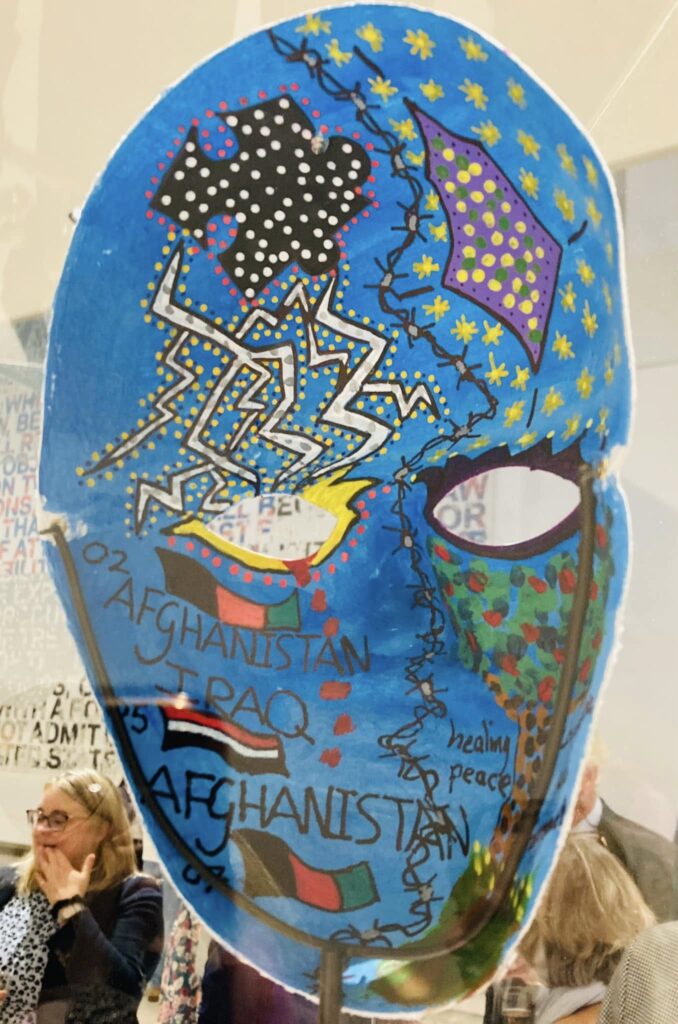
"The mask is both an inner and an outer expression of self", explains the project's curator Joseph Angemi Jr., senior curator at the U.S. Office of Cultural Heritage. "Simply put, the outer portion, or face, of the mask was what the veterans believed they showed the world, while the interior was ultimately how they felt about themselves. Powerful emotions distilled into a simple format."
"This simplicity was expressed through shared loves. hates, sorrows and joys. These universal imperatives are present in peoples across the globe...but in these veterans' cases their bonds were forged in high-stress environments, almost always starting at a young age and without being given time for reflection."

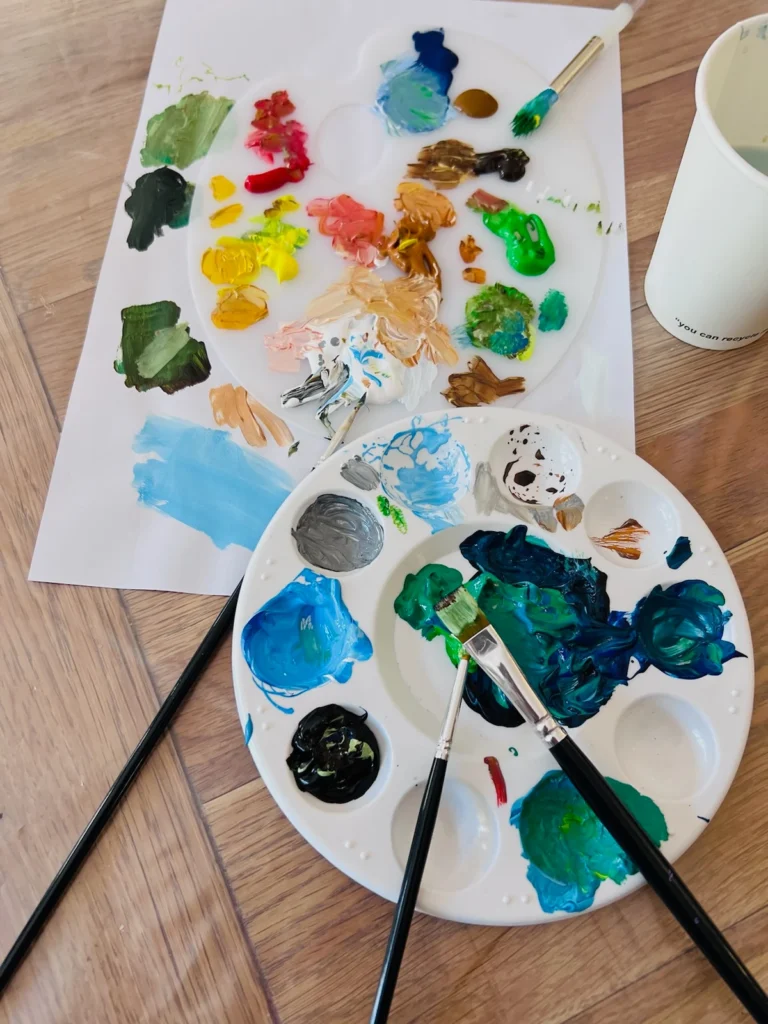
"I watched the veterans create their masks, studying the cues they left behind in colours and design. I was struck by what I can only equate to a form of sympathetic magic. That is, their work on the masks was imbued with the energy of the veterans themselves, infusing their art with decades of experience and emotion. Their art exudes raw and unadulterated emotions; love, loss, and both physical and mental scars."
"It was a brilliantly simple idea, that we could use art and creativity to show others our inner troubles" agrees Karl, one of the veterans who took part. "Each and every mask had a difficult story behind it and emotions were high. It was incredible to listen to the stories of life that was being told by the voice behind the mask. We all felt the unity of not only our pain but also that of human kindness, a belonging, a harmony of hope."
But the week in Devon and the therapeutic journey experienced by the veterans wasn't where the project ended. Joseph's vision for the project extended to not just to the creation of the masks, but an ambition to display the masks to the public - initially at the U.S. Embassy London, and then touring to other venues.

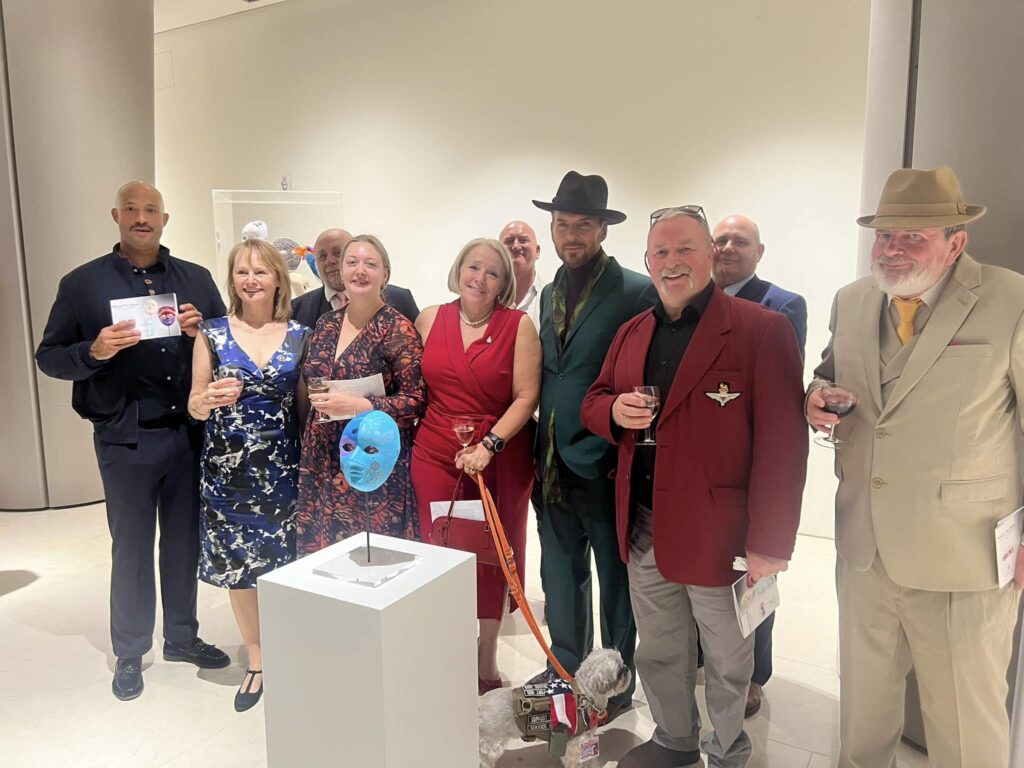
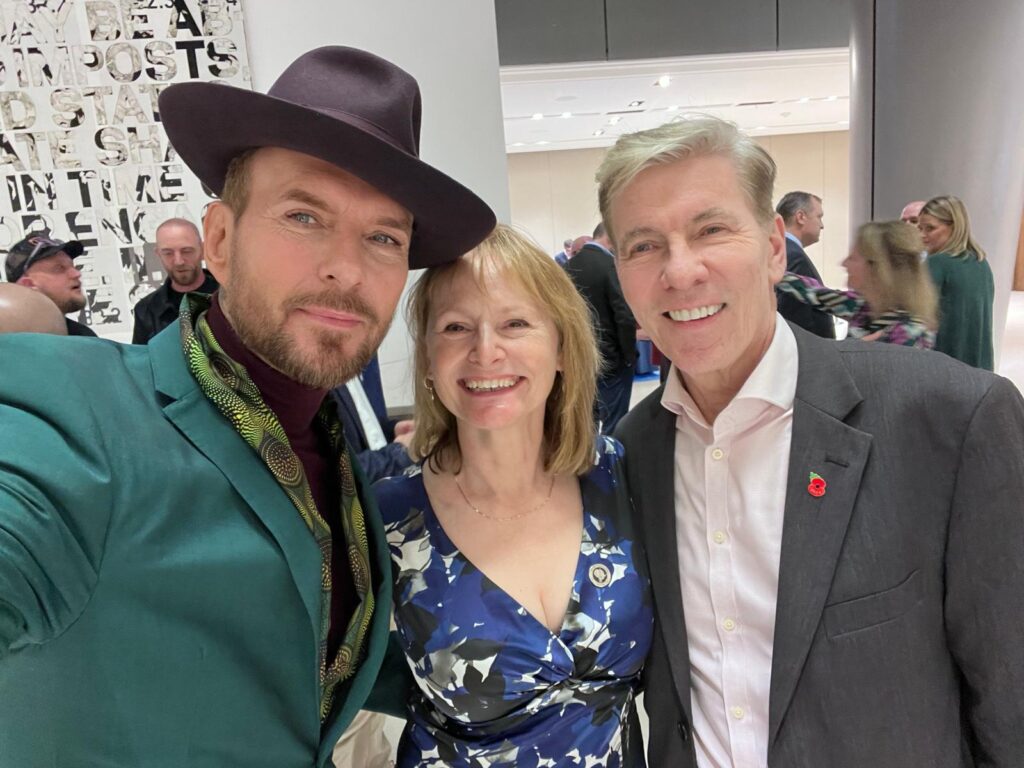
In October 2024 the masks were unveiled at a prestigious event at the U.S. Embassy London, attended by the veteran participants themselves, representatives of the embassy and the Office of Cultural Heritage, staff, trustees, friends and supporters of The Not Forgotten (and a sprinkling of celebrities).
The assembled crowd were completely bowled over by the power and raw emotion of the masks, made all the more poignant by the veterans themselves talking so candidly to the guests about the creative process and what they had discovered about themselves and their inner mind. Some revealed that the words and imagery inside their masks were things they had never told anyone before.


"I am so honoured to have been involved in this hugely beneficial project" concludes veteran Karl. "I do believe that by helping others witness how service has affected us, both physically and mentally, connects us once again as human beings."
See more photos of the 'Behind the Mask' project.
Read veteran participant Karl's full story
Read more from Joseph Angemi Jr., curator of the project
Our huge thanks to Jospeh Angemi Jr. and Lester Oram from the U.S. Department of State Bureau of Overseas Buildings Operations Office of Cultural Heritage, and to all our veterans who took part in the project.