

We are all familiar with the commemoration of VE Day and the stories of joy and relief as victory in Europe was announced on 8th May 1945. But the reality was that for many thousands of British and Commonwealth service personnel and their families, World War Two was not over in May.

The war in Asia and the Pacific, which had erupted in 1941 after the Japanese attacked Pearl Harbour, carried on throughout May, June, July and early August of 1945. Thousands upon thousands of British and Commonwealth troops from all corners of the world were deployed in a brutal struggle against Japan across a vast geographic area from India to Hawaii, Papua New Guinea to the borders of Northern China and the Soviet Union.
The British Pacific fleet (sometimes regarded 'the forgotten fleet') played a key role, and from early 1945 British aircraft carriers, battleships and cruisers joined American forces to launch assaults on Japanese strongholds.

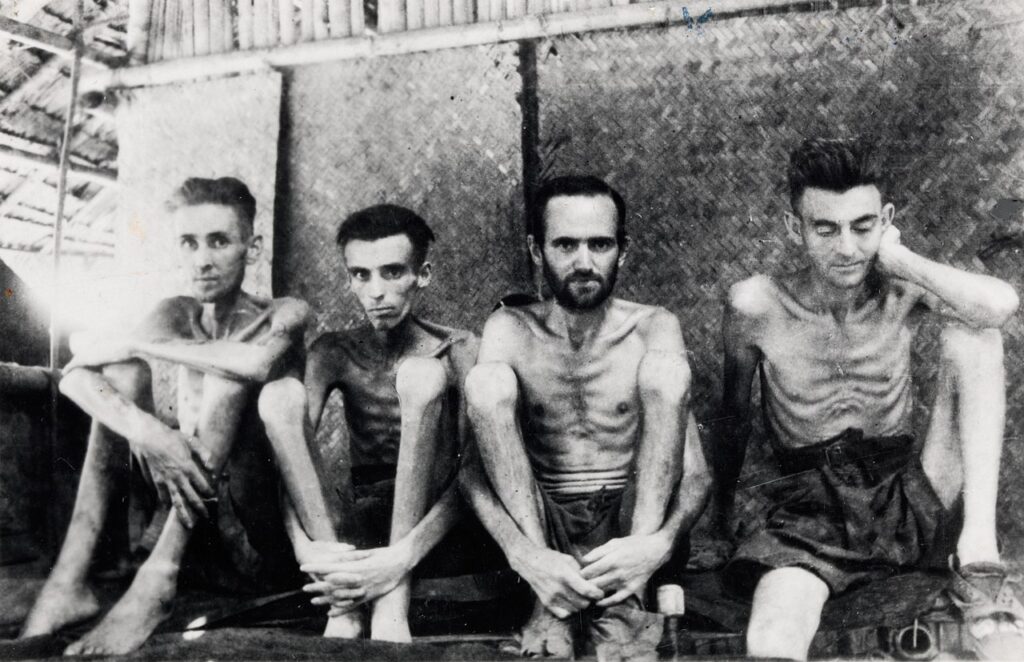
Our troops faced punishing conditions at sea, on icy mountains, through deep jungle and searing tropical heat. Those captured by the enemy faced the horror of Japanese prisoner of war camps, forced labour on the infamous Burma railway, in factories and mines; facing inhumane conditions and tropical disease.
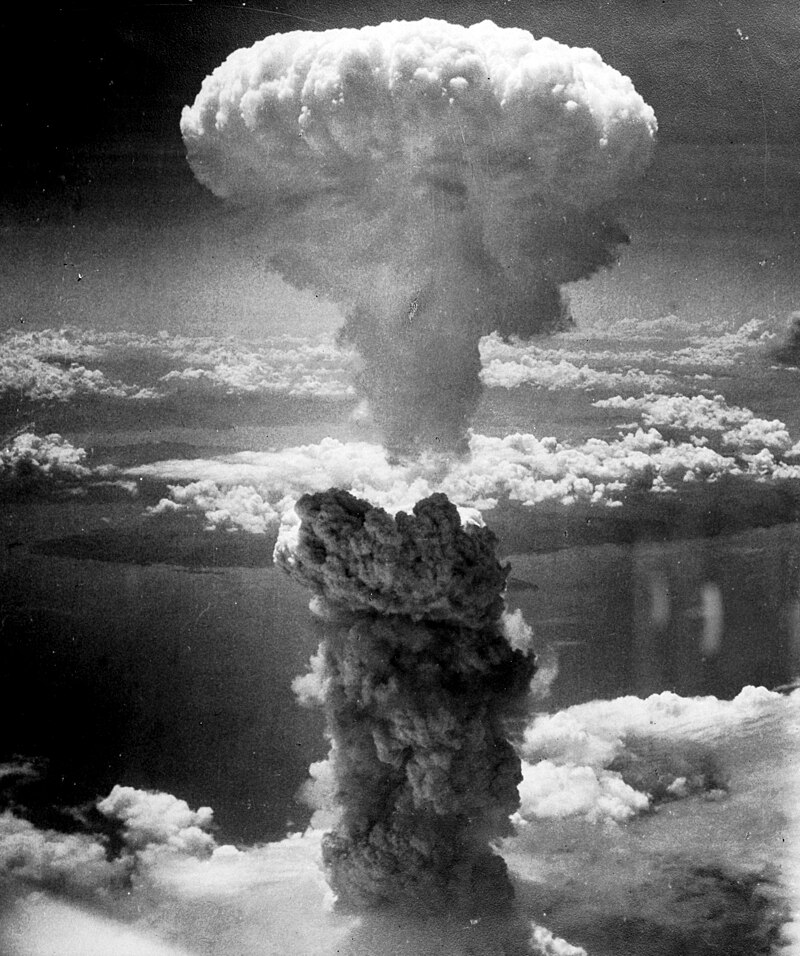
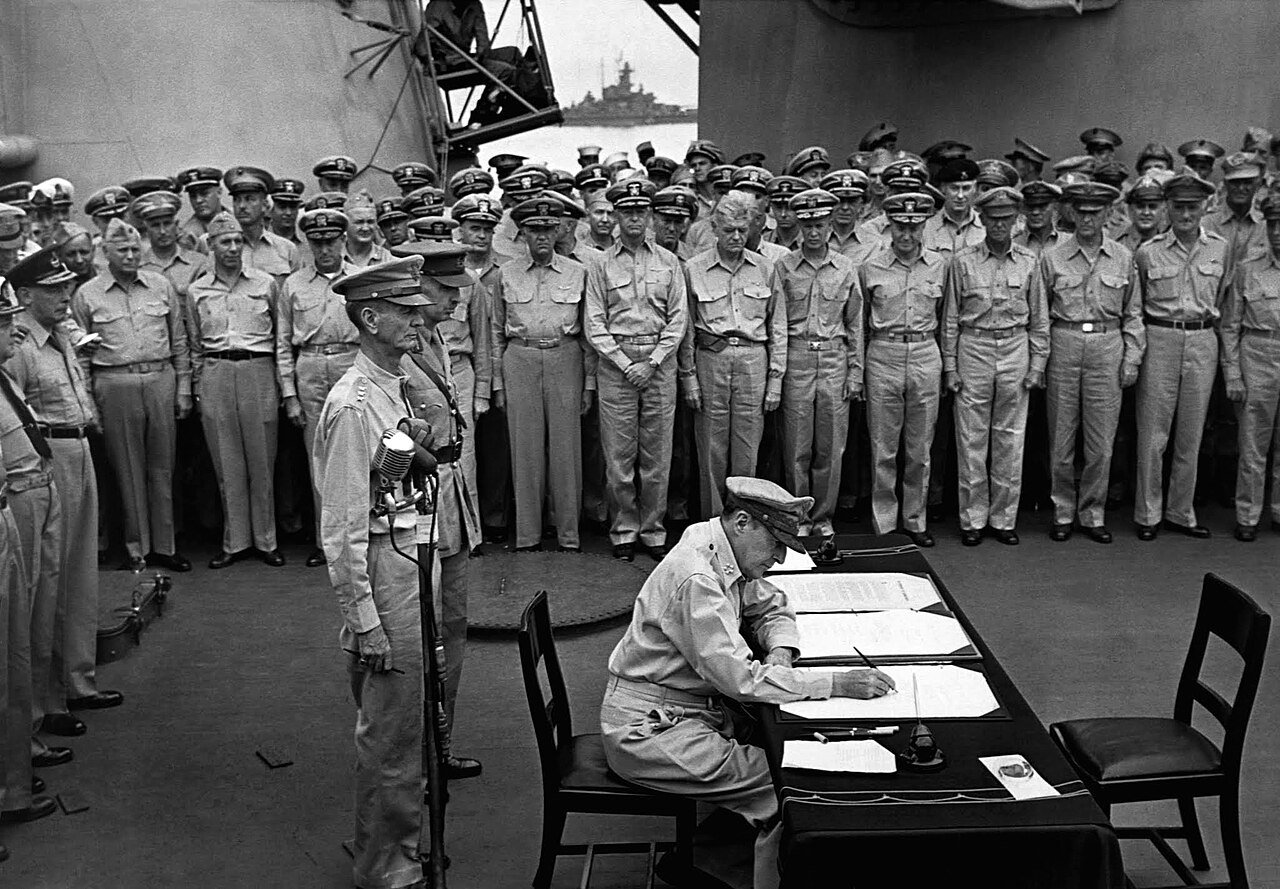
On the 6th and 9th August the US detonated two atomic bombs over the Japanese cities of Hiroshima and Nagasaki. On 15th August Emperor Hirohito announced the surrender of the Empire of Japan, leading to celebrations known as ‘Victory in Japan’ or ‘VJ’ Day – the formal ceremony of surrender took place a couple of weeks later on 2nd September 1945, aboard the battleship USS Missouri, in Tokyo Bay. British troops carried on assisting with the ‘clear up’ in Asia and the Pacific, transporting POWs to Australia, stabilising new states and stunned cities, undertaking policing duties.
When personnel were finally demobbed and returned to Britain in 1946 and early 1947 they found a country trying to move on, with a new government and a new outlook, focused on progress in peace, not reflecting on war. No longer in a mood to celebrate returning heroes who had fought war in too distant places and been through experiences too alien to comprehend.
“The people who invaded Normandy, they had stories to tell. Pilots at Biggin Hill, they had stories to tell. What stories did we have to tell? People weren’t really interested. They just left us to get on with our lives...”
George Housego, World War Two veteran and Japanese prisoner-of-war"I put that time down to being the very worst fear I've ever had. It was frightening."
Ken Tinkler, World War Two Royal Navy veteran, serving in the Pacific and Tokyo Bay on VJ Day
This week at The Not Forgotten we want to shine a light on this often-overlooked ‘forgotten’ period of World War Two, and the stories of several World War Two veterans who experienced it.
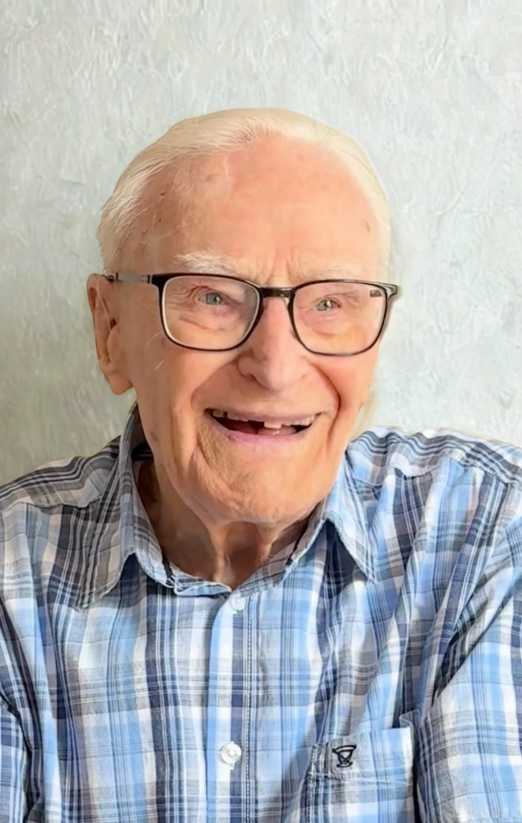
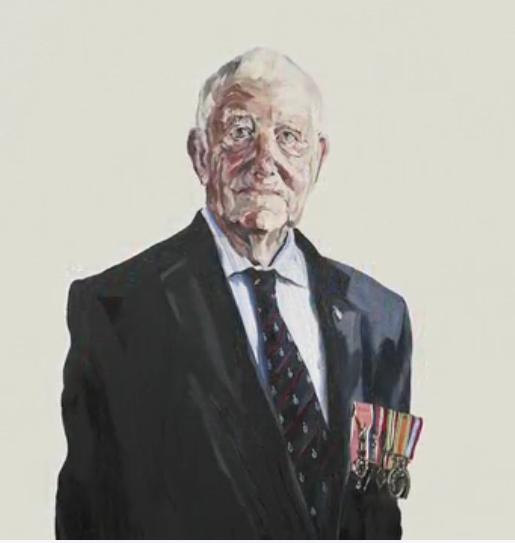
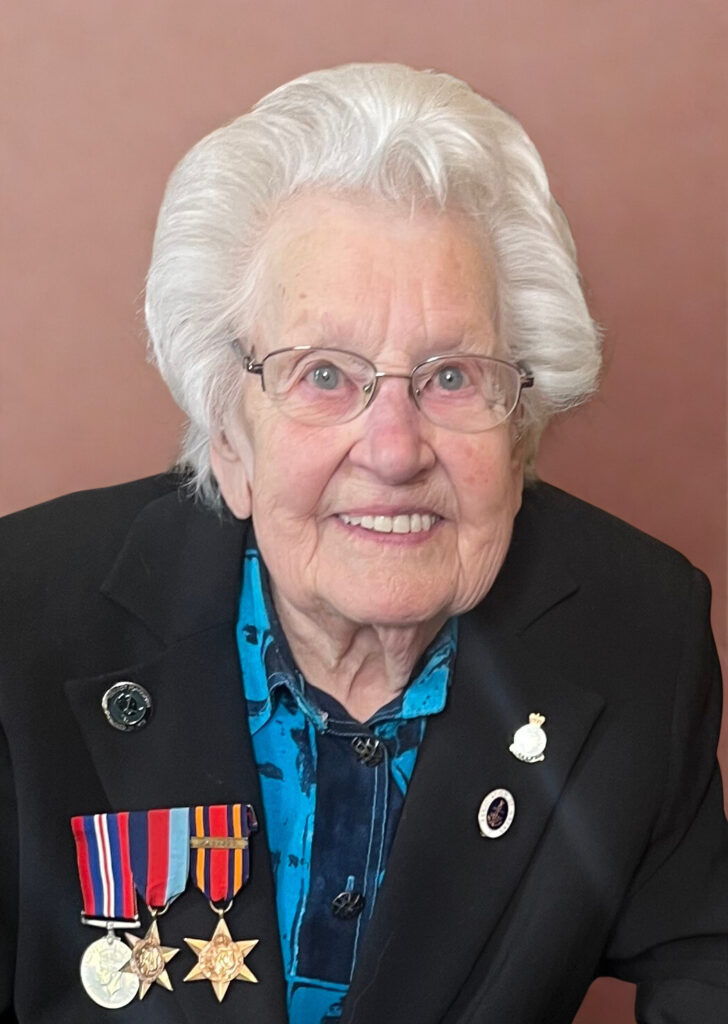
Ken Tinkler served in the Royal Navy as a radar operator throughout the Pacific campaign and was in Tokyo Bay for the Japanese surrender in August and September 1945. His ship the HMS Quadrant conducted air sea rescue work as British bombers limped back to the aircraft carriers, and had to enter Tokyo Harbour in August 1945 very fearful as to whether the harbour had been mined.
The ship then faced the extraordinary task of going round all the small islands of Tokyo Bay informing the dangerously armed Japanese 'kamikaze' torpedo boat crews that the war was over. She also escorted Admiral Sir Bruce Fraser to the signing of the Japanese surrender aboard the USS Missouri on 2nd September, and the surrender of Hong Kong on 16th September; as well as transporting the Japanese Emperor from Miyajima Island. Ken witnessed firsthand the devastation of the Allies' atomic bombs when visiting Hiroshima and Nagasaki in their aftermath in September 1945, and assisted in evacuating prisoners-of-war from the Japanese camps - "they had been terribly treated". He didn't return to the UK until February 1947.
"I put that time down to being the very worst fear I've ever had. It was frightening."
George Housego was serving with the Royal Artillery in Java in March 1941 fighting to protect Dutch forces from the advancing enemy. He was forced to surrender and and taken prisoner of war by the Japanese. He was moved as a prisoner to Nagasaki in 1943 when during the voyage the ship was torpedoed. George spent what he described as “12 hours of freedom” clinging on to a piece of wood in the China Sea before a Japanese shipping boat picked him up. He was put to work in a Japanese factory in appalling conditions until 1945; he was then ransferred to an Omine coal pit just weeks before the atomic bomb hit his factory. When he eventually returned home after the war ended, he weighed just six stone. George died in February 2015.
"Just to be free was euphoria. I’ve always considered myself very, very lucky to survive.”
The video below features a portrait and interview created by artist David Tucker in 2013. He said: "I will always remember the smile on George’s face, the gentle handshake and the kindness in his eyes when he entered the room. Little did I know of the life those eyes must have seen, until I sat down and began his interview. We sat transfixed with his truly astonishing, yet harrowing, experiences. He spoke with such matter-of-factness, but I could see the emotion was sat just behind his eyes. They say the window to someone’s soul is through the eyes and this I believe to be the case with George. A man who had seen the darkest side of mankind and in the same breath, the strength, courage, camaraderie and kindness to survive it."
Ruth Barnwell, who served with the Women's Royal Naval Service, herself demobbed in late 1945 but like thousands of families had to anxiously await news of her fiancée fighting out in the Far East.
“We just had to wait; we weren't getting many letters through - they would take a month or more to come. We didn’t know if he would come back. The last letter he wrote he said: ‘we shall soon be on our way back’ but that was it.”
