

Matt Goss has written, performed and produced a brand new song, entitled 'Not Forgotten' exclusively for The Not Forgotten.
The song is a heartfelt tribute to the heroes of the past and present and will be released on 25th April 2025 to celebrate Victory in Europe Day (VE Day) on May 8th. All of the proceeds will go directly to The Not Forgotten to support our tireless efforts in ensuring that no veteran is ever left behind or forgotten.
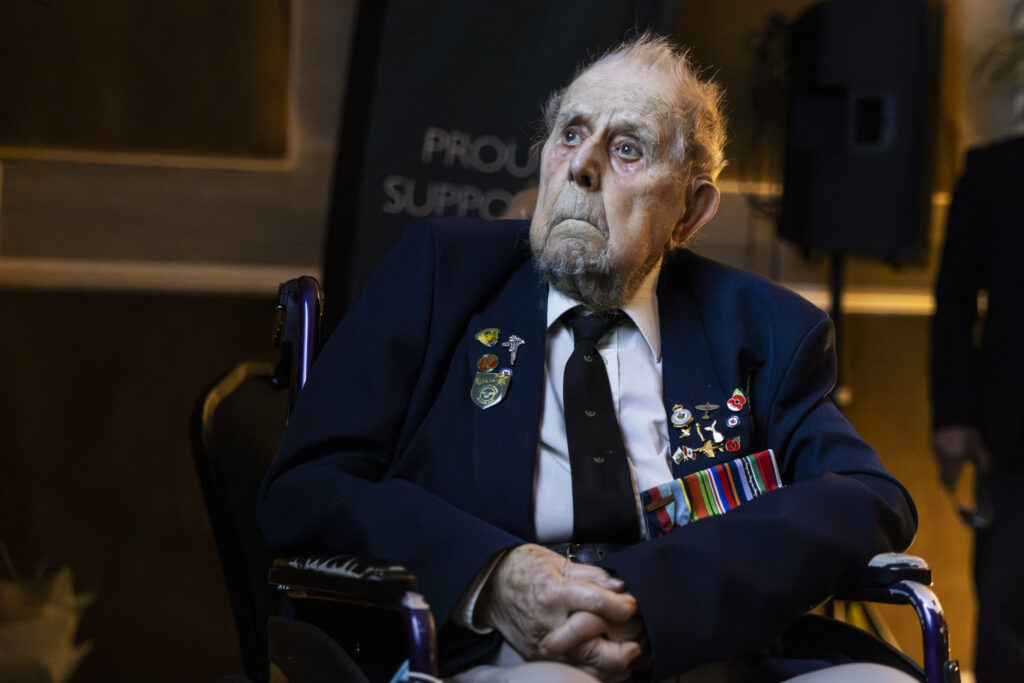
This week at the iconic RAK Studios in London (where the single was recorded), the first official playback of the single and the showcase of the music video took place. Watching the unveiling alongside the media were serving military personnel and veterans of the Royal Navy, Army and Royal Air Force, including World War Two Veterans aged 100 and 102, and Minister for Veterans and People, Al Carns MP.
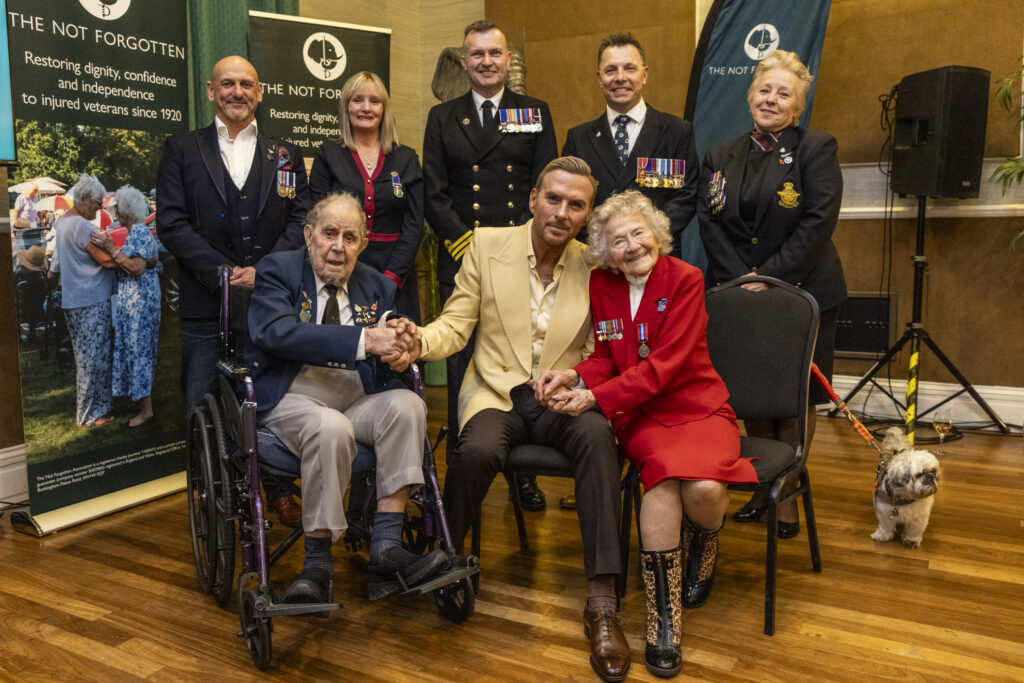
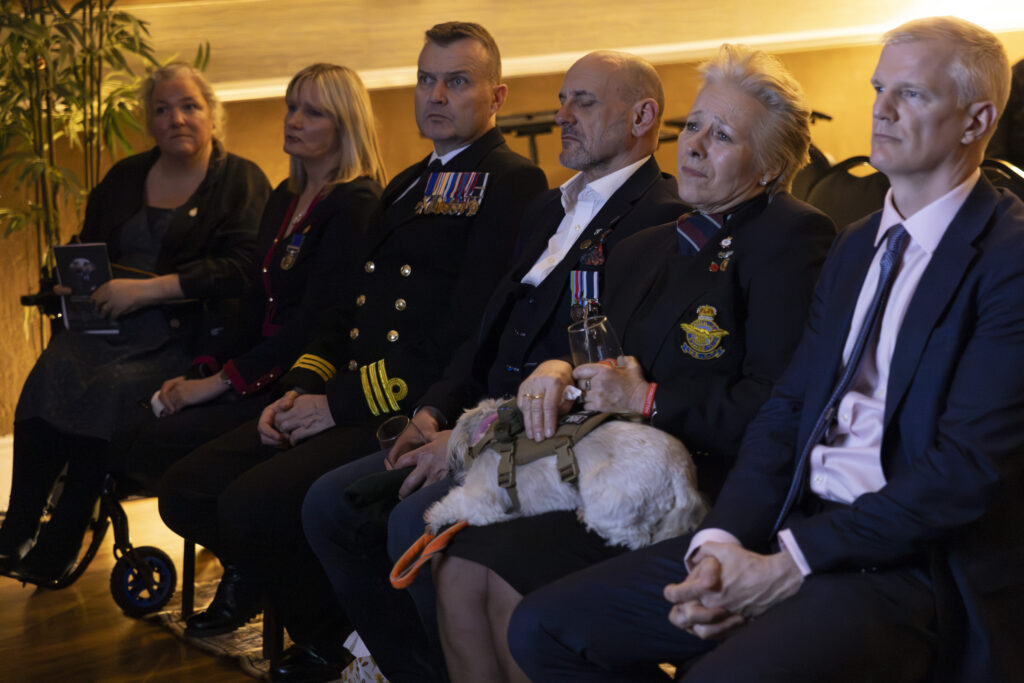
See more photos of the 'Playback' event at RAK Studios here
The video for the single features an inspiring collaboration with The Bands of the Household Division, Countess of Wessex’s String Orchestra and an Irish Guards Piper as well as veterans of all three military services who have been supported by The Not Forgotten. The video is a beautiful representation of the resilience, sacrifice, and camaraderie of those who have served their country.

Perform Matt Goss's 'Not Forgotten' with your own Choir for VE Day!
The release of this emotional song isn't just about people listening to it. We want people all over the country to perform it!
Are you part of a community, church or school choir who'd be up for learning the song in time for VE Day and performing it as part of your community's commemorations?
'Not Forgotten' is not released until Friday 25th April. But before that, you can get your hands on the sheet music for your choir to start learning it and rehearsing!
Find out more HERE
Award-winning singer Matt Goss, known across the globe for his soulful voice also has a deep and genuine connection to the Armed Forces community. His campaigning for veterans and their mental health around the world has made him an Honorary Captain in the U.S. Army: now living back in the UK Matt has turned his focus onto the British Armed Forces. He expressed the honour and emotion he has felt working with The Not Forgotten to support the 80th anniversary commemoration of VE Day:
“I am truly honoured to have been able to work with everyone at The Not Forgotten charity to produce this song that I hope will be a lasting legacy to all those who have served our country and who continue to do so. Having supported veterans for a long time and as a proud grandson of a former military soldier, to be able to offer further support in this way is a true privilege.
Working with veterans and being accompanied by royal military bands and orchestra has been one of the most humbling experiences of my career. This song is about everyone who has served, will serve, and who continues to serve this country, we should not just support these troops in times of conflict, but in times of peace as well. Often this is when most help is needed.
These people and their stories should never be forgotten and that is why it was so important to me to be able to shine a light on the incredible work that The Not Forgotten do and raise awareness for those troops that we have lost, that are still out fighting and those that thankfully come home.
No other charity, in my eyes, delivers the support needed for people of all ages who have fought tirelessly for us all, those with life changing injuries and with PTSD – no one should ever be forgotten. I hope everyone can support the song, sing it loud and proud and celebrate these incredible heroes.”
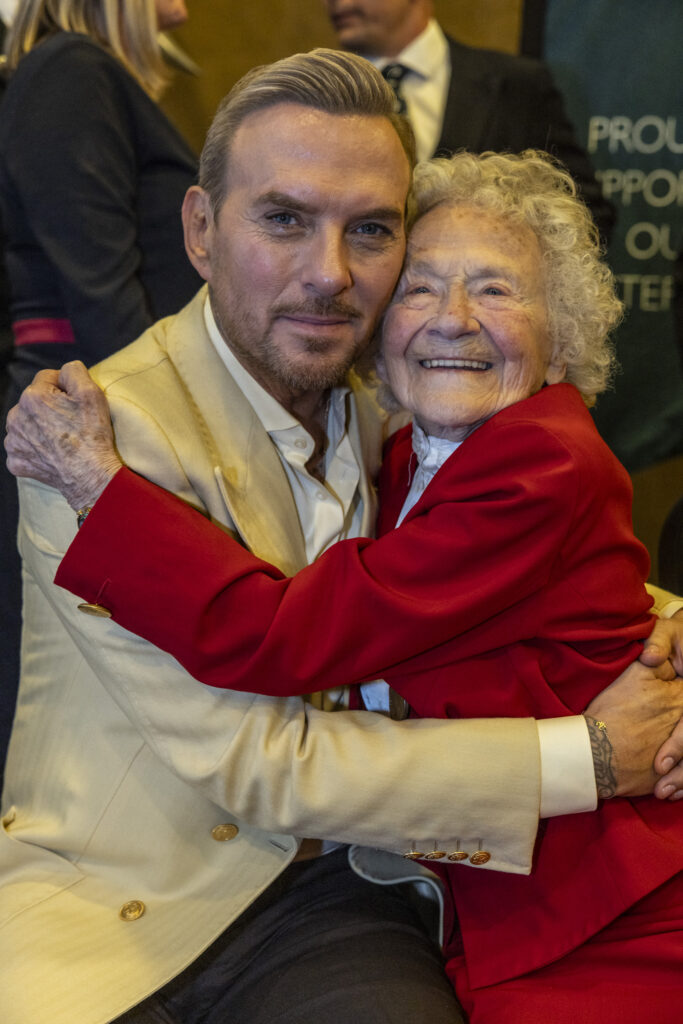
Dorothea Barron, 100 yrs old, was present at the first playback of Not Forgotten. Dorothea served as a visual signaller in the Women’s Naval Service (WRNS) during WWII. She trained men bound for Normandy on how to use semaphore signalling and Morse code. From Bishop’s Stortford, Hertfordshire, Dorothea shared her reaction to the single:
“Listening to the single was an emotional experience. It’s easy to feel forgotten about in the modern world; as if your service and putting your life on hold for your country doesn’t mean anything to anyone anymore. Matt’s song brings me hope that our sacrifices have not been forgotten”.
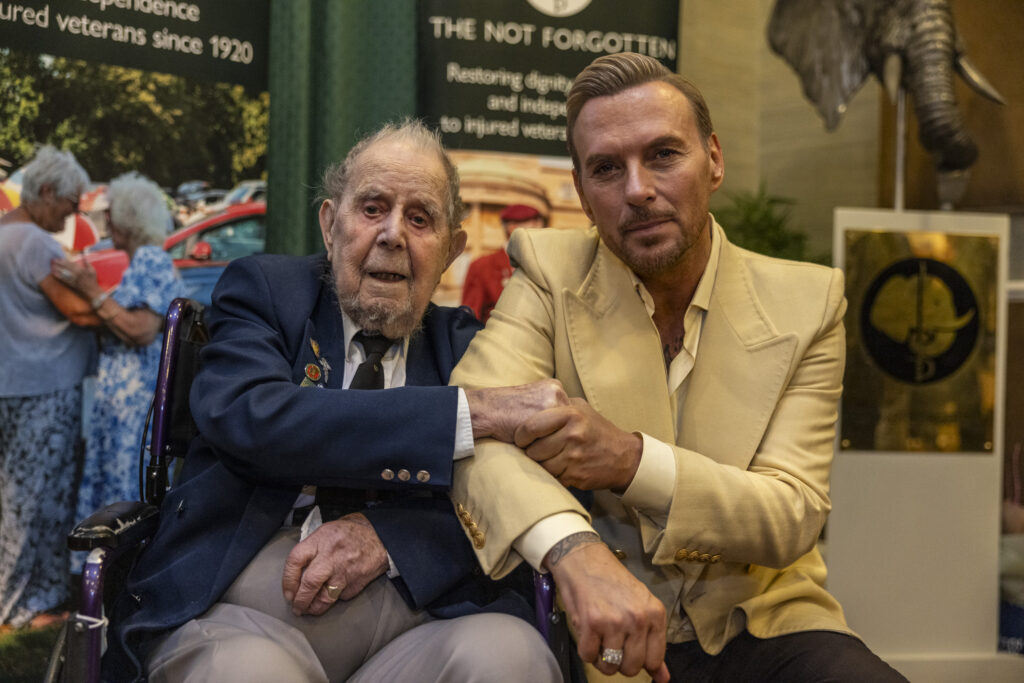
Also at the playback was Harry Winter, 102 yrs old, who flew Halifax Bombers during WWII before being shot down on his 19th mission in 1943. He then spent the remainder of the war in the infamous Stalag Luft VII prison camp. Harry is originally from Cardiff and now lives in Croydon with his wife Josey who he has been married to for 75 years. He reacted to first hearing Matt’s song:
“It’s an incredibly moving, beautifully created song. The drums and the haunting sound of the bagpipes brings the friends and comrades that i’ve lost back into the room right beside me.”
Col. (Retd.) Richard Walker, OBE, Chief Executive of The Not Forgotten said:
“It has been a privilege and a deeply moving experience to work with the exceptional talent that is Matt Goss. He’s become not just a supporter and benefactor of our charity but a true friend to many in our veteran and military community and an emotional champion of our work. Matt has sat beside our veterans over many months, listened to their stories, laughed with them, and cried with them.
The themes of sacrifice, pain, and loss in Matt’s lyrics are all things that we as veterans and the families and friends of veterans can identify with painfully well. To have Matt frame those raw emotions so powerfully makes us feel heard, valued, and most importantly, Not Forgotten.
To release ‘Not Forgotten’ in time for VE Day is especially poignant, at a moment when our nation turns to remembering the sacrifices made by so many individuals and families during the Second World War. It is almost impossible to imagine the joy and relief they must have felt at the announcement of an end to the conflict. This 80th anniversary holds special significance as it represents the ‘handing over of the baton’ between the Second World War generation, of whom just a special few remain, and those who follow. Ensuring that the legacy and sacrifices of our veterans are honoured and never forgotten by us all and future generations.”
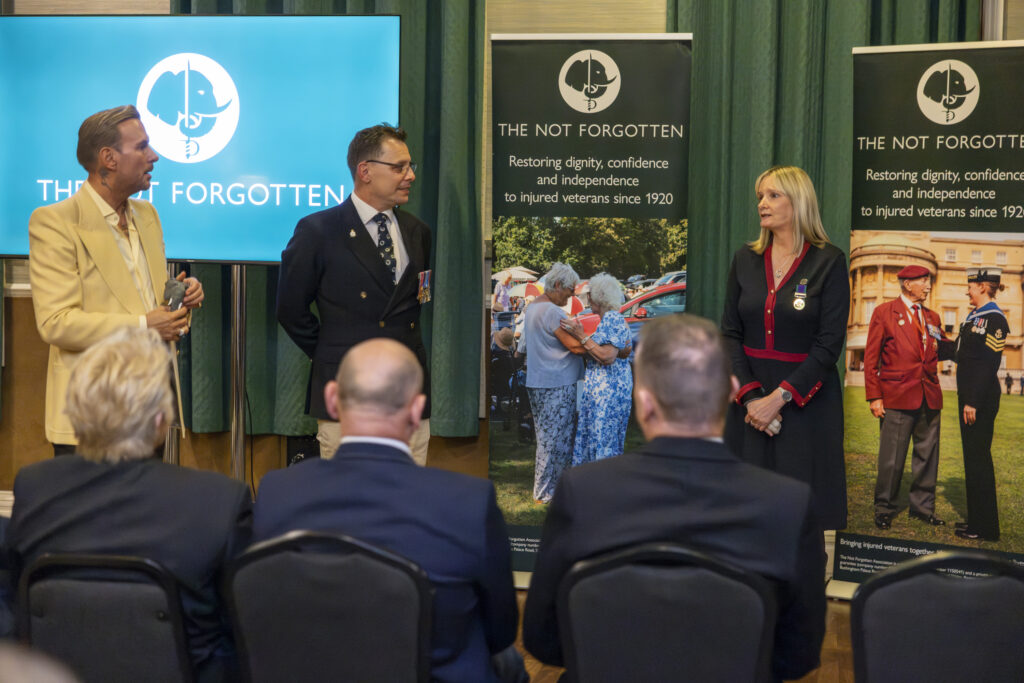
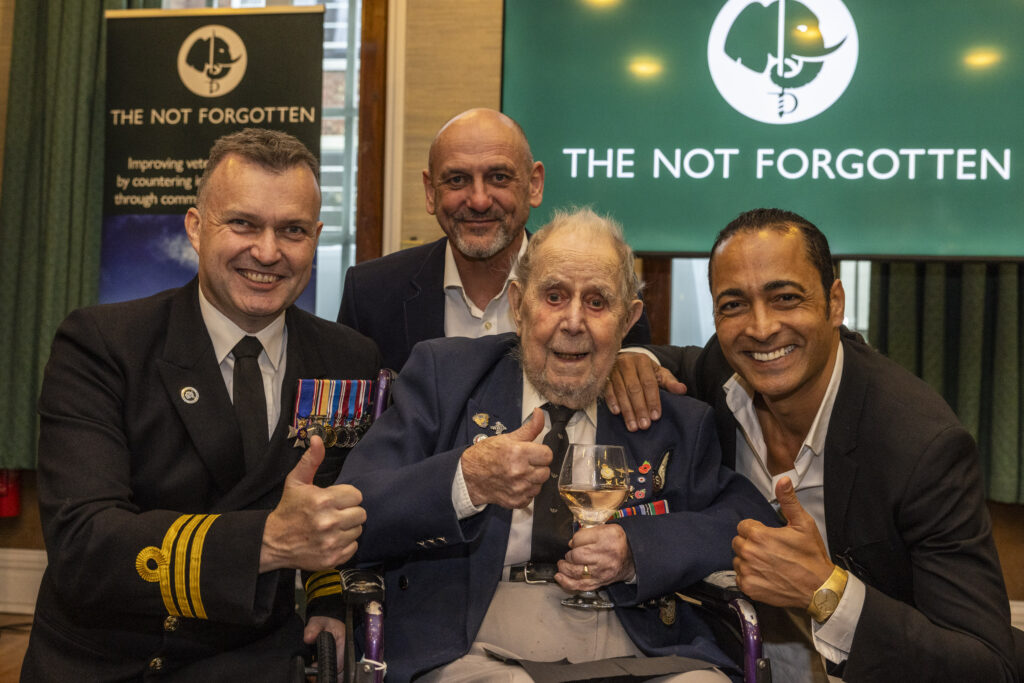
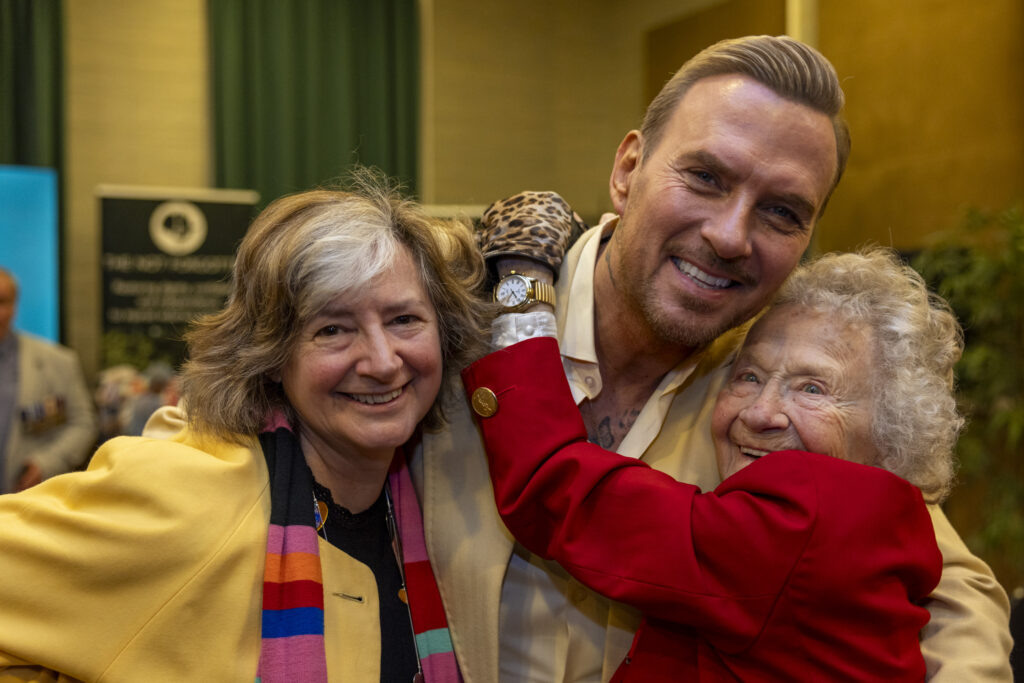
Matt Goss burst on to the global entertainment scene as lead singer of the English pop sensation, BROS. Goss quickly became the youngest artist to sell out and headline the world-famous Wembley Stadium, performing to a crowd of more than 77,000 fans. He played a record 19 consecutive nights to more than 200,000 fans at Wembley Arena and broke a world record selling out 2 nights at the O2 Arena in London, (40,000 tickets) in an unbelievable 7 seconds. He has performed twice for her majesty, the Queen and has taken his award-winning shows to the most prestigious venues around the world including the Royal Albert Hall. Matt also holds the record for longest residency in Vegas from a UK artist performing for an astounding 11 years in Caesar’s Palace and Palms Casino. 2018 saw the release of the BAFTA winning movie about his and his brother’s life entitled ‘After the Screaming Stops.’ Following a national theatre release, the movie went on to become the most downloaded BBC production in 2018 and it has been roundly hailed as “The greatest music documentary of all time” by GQ Magazine.
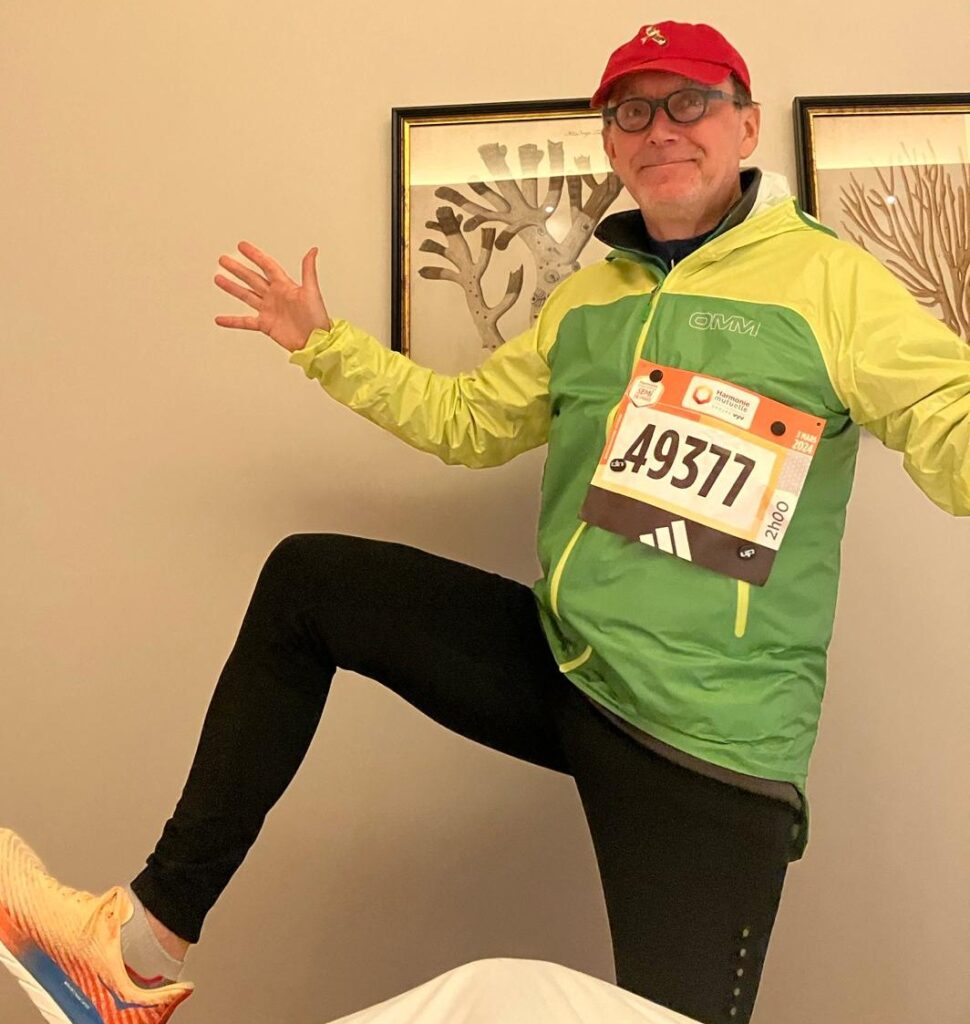
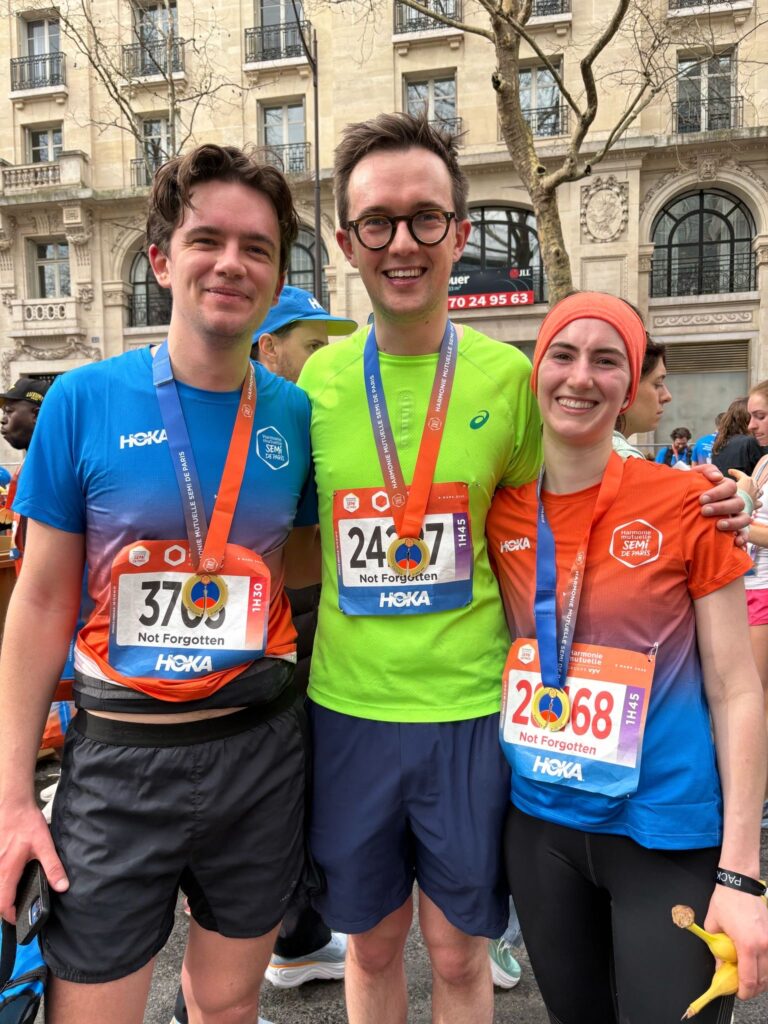
This Sunday Nick Sandall and a group of eight of his family and friends are taking to the streets of Paris in the city’s famous half marathon, the ‘Semi de Paris’.
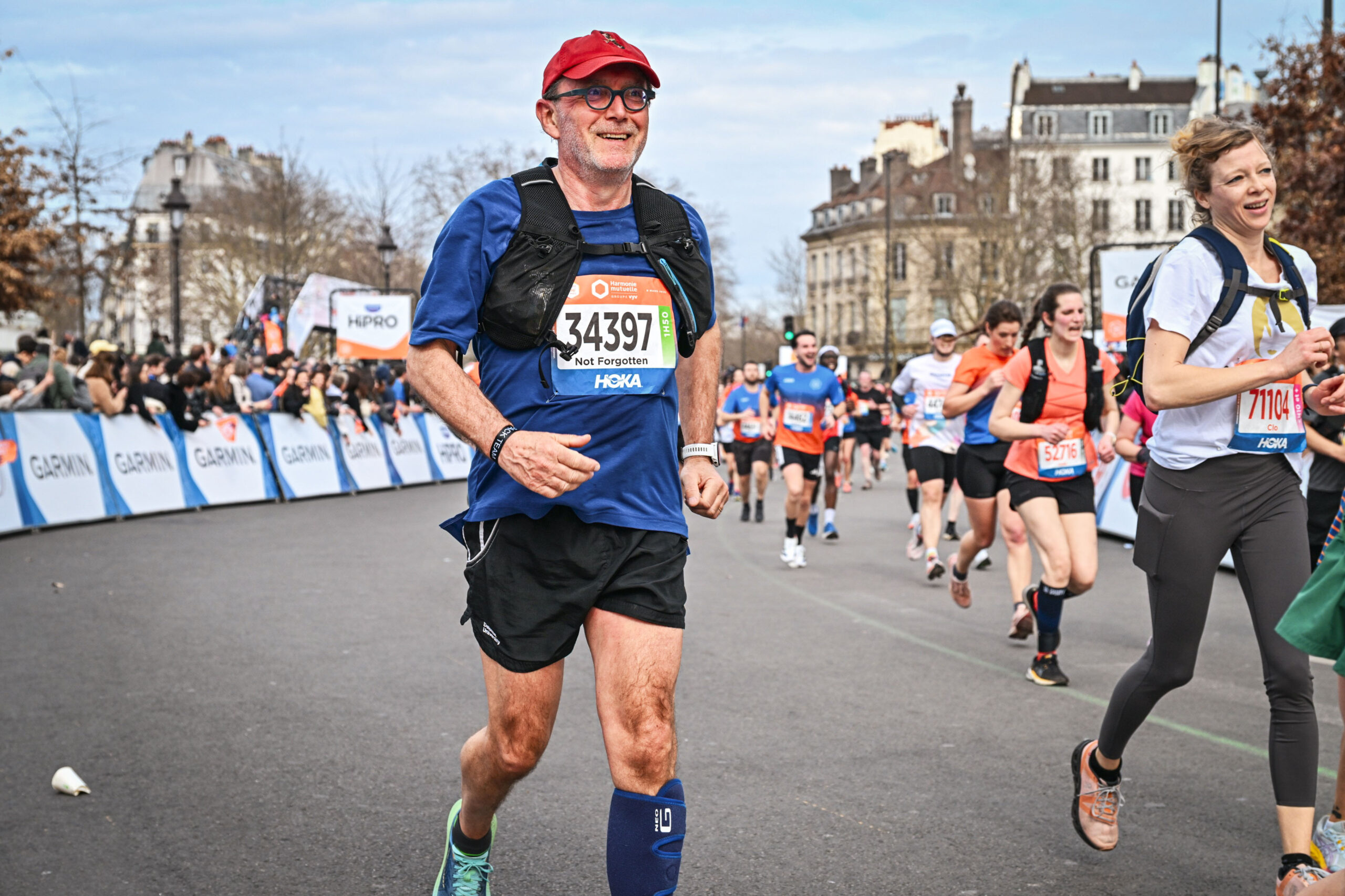
Taking in a fabulous route around the iconic French capital from Île de la Cité and the Sorbonne, out east, across the Seine, through the Ois de Vincennes and finishing at the Place de la Bastille, it sounds like one of the most interesting half marathons out there – and we’re thrilled that Nick’s team of nine have decided to run the race to raise funds for The Not Forgotten.
We caught up with Nick in his final week of training to ask about why he signed up for the race, how he talked his family into joining him, and what has inspired his support for the veteran community.
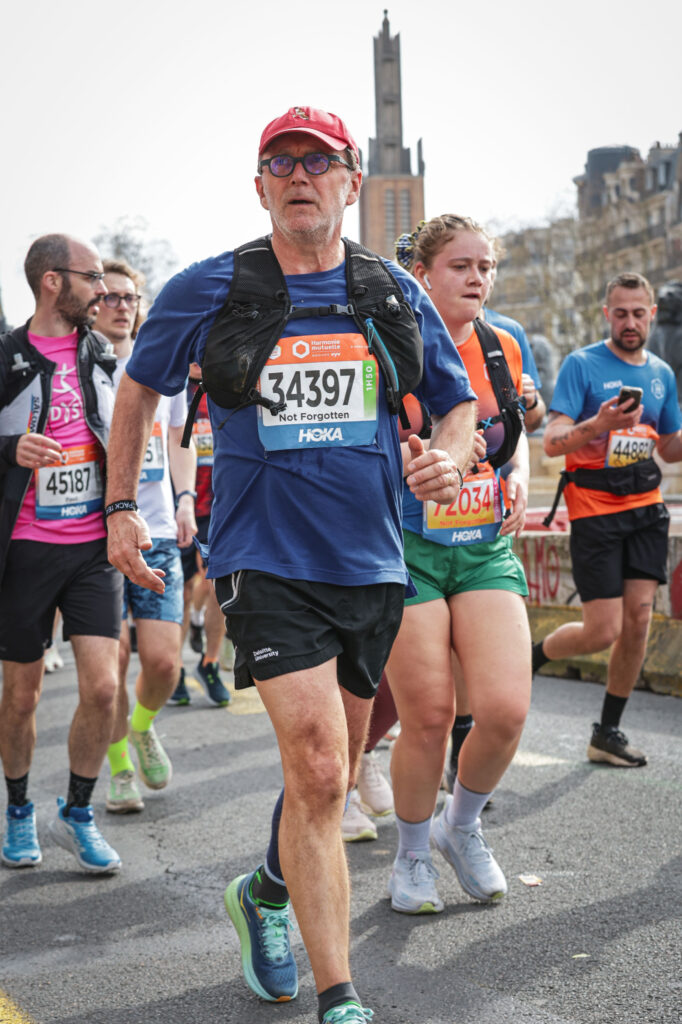
“I used to be a very good 800m runner when I was 14”, Nick explains, “Then I stopped to concentrate on more fun things as a teenager! I was becoming a full-time athlete whilst at school, which I didn’t want to do with my life. I then didn’t really run again until three years ago when I turned 60. For my 60th I said I would run a half marathon – and now this is my third in a row”. He ran Hampton Court half marathon, followed by Paris last year after his daughter moved to the city.
“I put months of training in, giving me a focus, and it’s now become a habit, doing something for a charity at this time of year”. Next year he even has his sights set on a midnight marathon in Iceland!
Following a “first career” in professional services, Nick’s “second career” as he describes it is as “facilitator, executive coach and fishing guide” taking him all over Europe. Since last year Nick has also served on the Board of The Not Forgotten, having come across us after we approached him about taking veterans on fishing trips.
His respect for the military and veterans came well before that however. Nick has been deeply moved, he says, by the experiences of family members serving in the military.
“I have seen what it is like when they come back. The complexities of what service people and veterans go through. I think there is a growing realisation in my generation that so many of our children and friends’ children are serving in our military and that they need our support in return for their sacrifices.”
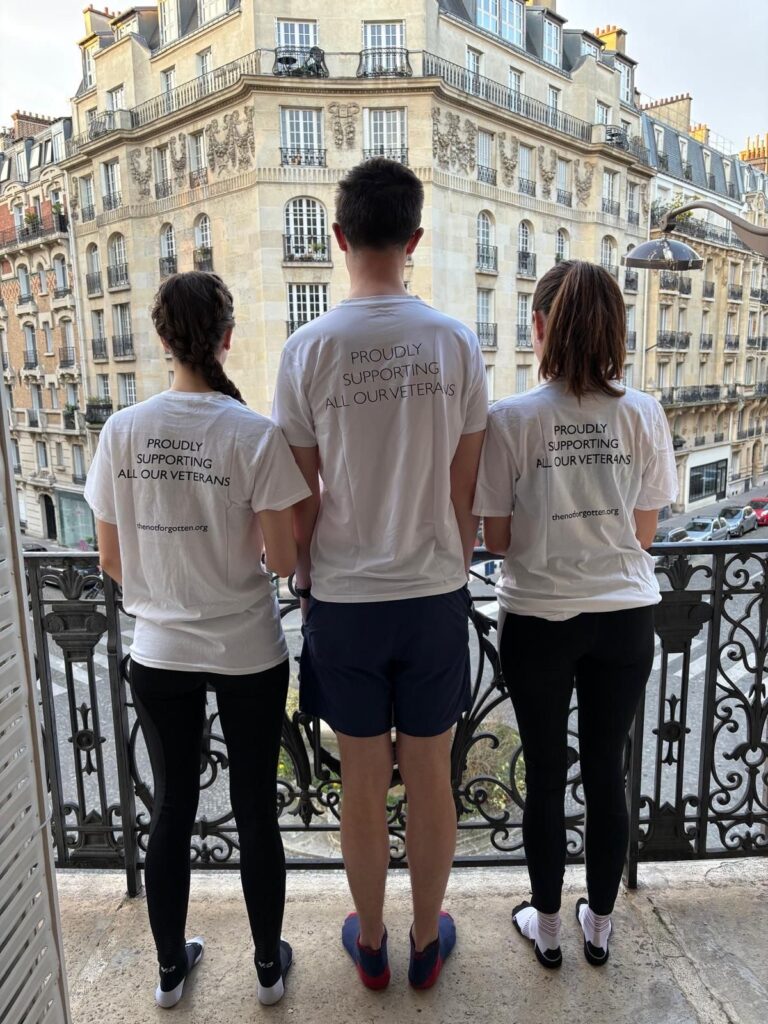
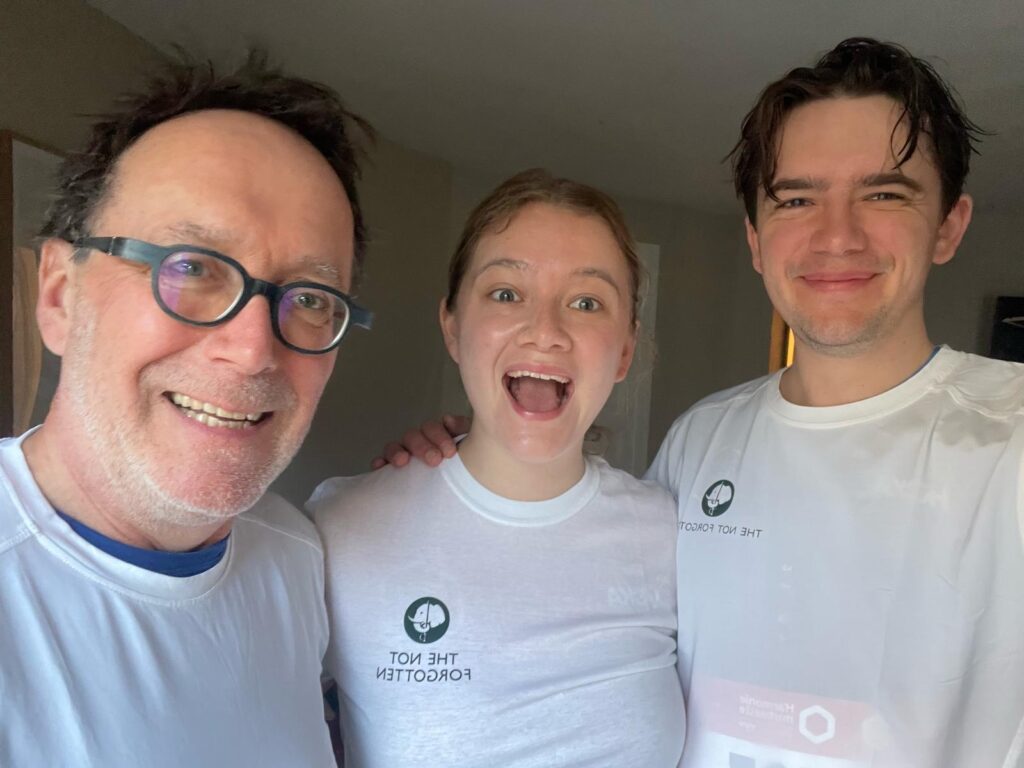
Tomorrow will see the whole of the centre of Paris shut for the race, with 50,000 runners plus their supporters filling the city. “There are no cars allowed, there are bands playing every kilometre, the atmosphere is amazing, it’s really nice.”
Nick's group of nine runners range in age from their sixties through to their forties and twenties and is a real family affair including Nicks’ daughter, two sons, their friends and girlfriends. “We won’t all run together” explains Nick, “But we’ll start together and gather afterwards to share our stories.”
Nick’s final weeks of training have been made even more tough by him developing sciatica – but he is battling through, determined not to let that hold him back. “My body is having to work a bit harder - one leg won’t move properly but I won’t let that stop me! I did the race in 1 hour 52 minutes last time but because of my legs I will keep pace with my daughter (who has never run before and is doing incredibly) and aim for 2 hours 20.”
He certainly sounds all prepared. “I’m ready, I’ve got my gels and very sort of ointment you can buy. I just need to book the restaurant for afterwards!”
We ask what Nick’s advice would be to anyone else considering running a half marathon or any other physical fundraising challenge.
“Follow a training plan, but be realistic and flexible with that plan. Don’t hurt yourself. Do some slow running as well as interval running, that’s very important. And concentrate on stretching properly! It really does make a big difference, otherwise you just create injuries for yourself. Also keep hydrated and fuelled – and do that properly, work out when to eat and drink when in training.”
The most important thing however is to prepare yourself mentally. “It’s a mental challenge more than a physical one. It’s about grit. This morning, I was late out of bed and went out for a run in the pouring rain, got drenched by a car going through a puddle, but I just had to grit my teeth and keep going.”
But anyone can do it, if you want to. “If you take it little by little, step by step, anyone can achieve it, even if they’ve never run before.”
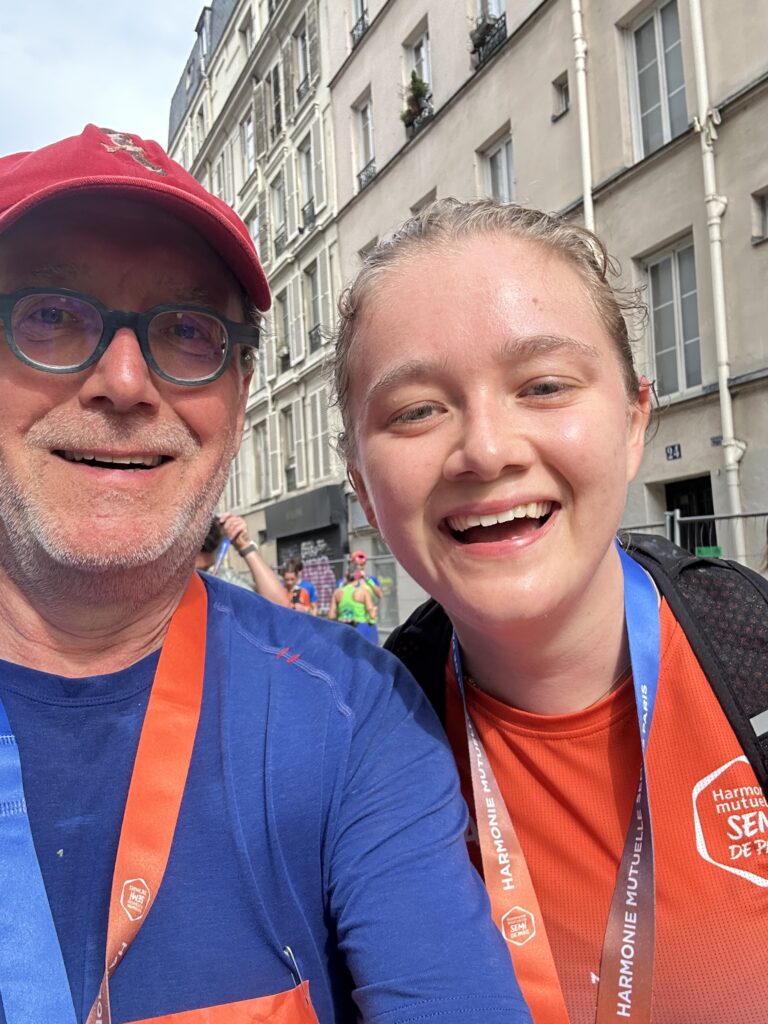

He reflects finally, “If I’m struggling at any point, I just remember what I’m raising money for. Oh, it hurts? Just think what it’s like for people coming back from active service. We're doing this for people who have given in a way most of us will never give.”
Please help Nick and his team raise as much as they possibly can to support our injured veterans and service people.
Sponsor them at
https://www.justgiving.com/campaign/tnfparishalfmarathon
We are thrilled this year that we have two runners – Baz and Stephen - taking part in the London Marathon to raise money for The Not Forgotten. Both have a beautiful connection to our beneficiaries and our cause, and both are hard at work training, building up the miles and their stamina as they reach the ‘2 months to go’ point…
We caught up (not literally - we are not that pacy!) with both runners to ask them about their connection to The Not Forgotten, their running journey and goals for the big day.
First up, Richard Bazley (“you can call me ‘Baz’”) – a freelance Ceremonies Producer and Volunteer Manager for international sporting events, who lives in Switzerland.
Baz has run the London Marathon once before, almost ten years ago in 2016. Though whether this is an advantage or not, he isn’t sure! “I feel like I’m competing against a much younger version of myself…!” A keen runner as a youngster, Baz competed in 800m, 1500m and cross country at school, and coached children at summer camps in the USA for two summers before studying sport at university. As ‘grown up’ life and work has taken over however, he has found less and less time to dedicate to running. Which is part of his reason for taking part in the London Marathon, motivating himself to do the training, put in the time and rekindle his passion. He has applied for a place in the Marathon in the public ballot every year and finally got lucky again this time.

But why run for The Not Forgotten? Baz isn’t a veteran himself, though he has always had a great respect for the military after hearing his grandparents’ stories of RAF service (Baz’s 2016 Marathon was for the RAF Benevolent Fund) and National Service, as well as his great-grandfather surviving the Dunkirk evacuation.
It’s Baz’s fascinating job, however, which has really built his bonds with serving military and veterans and brought him into contact with The Not Forgotten family.
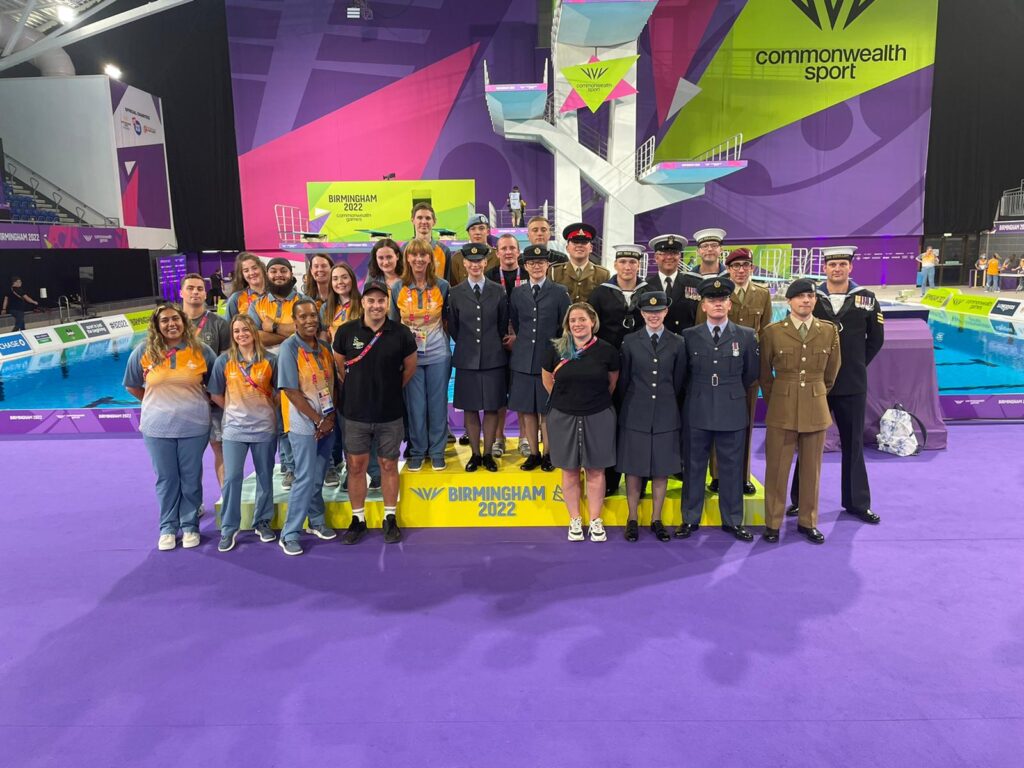
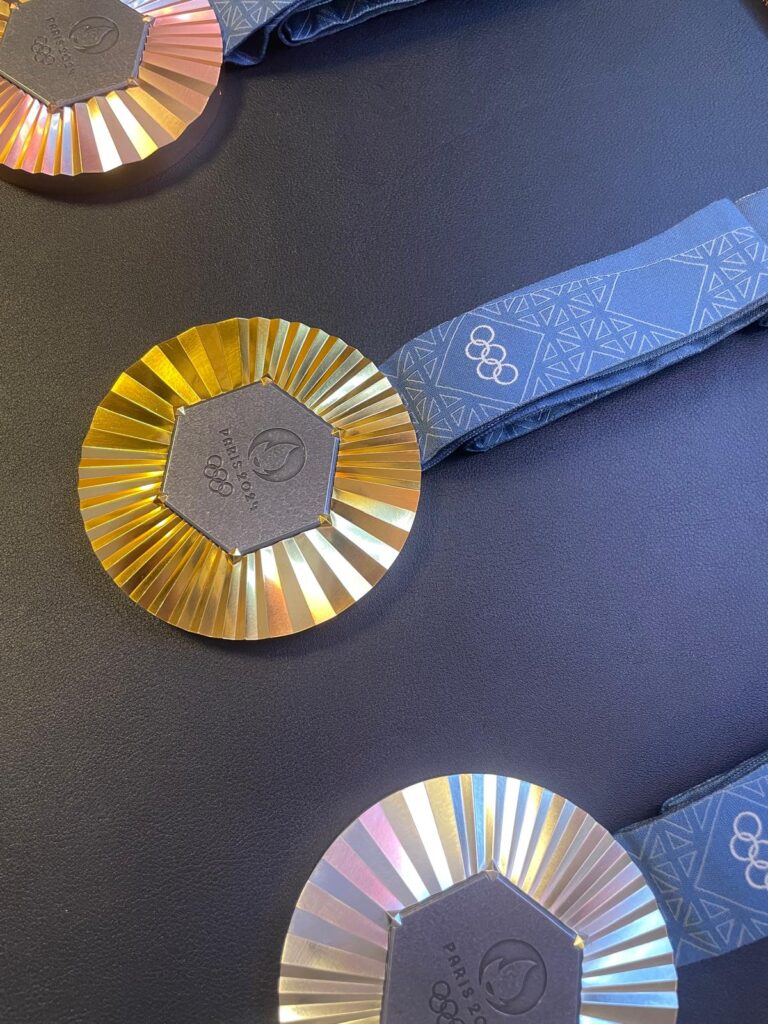
Since 2012 Baz has worked in what sounds like one of the most interesting jobs in sport… “Back in London 2012 I volunteered to be a 'Games Maker'. I was lucky enough to be given a role in the medal ceremonies team as 'Gold Medal Tray Bearer'. This role included the honour of presenting the last medal of the Olympic Games, during the Closing Ceremony. A huge honour for me and my family at the time, and very much the inspiration and catalyst for my career.”
Baz worked his way up the ranks in 'Sport Presentation' and the world of Global Sports Events, starting as a floor manager, working up to Head of Ceremonies and now finding himself an Olympic Producer. He has worked for UEFA’s Governing Body in Switzerland, the FIFA World Cup, the Special Olympics, Commonwealth Games, World Championships, Invictus Games and most recently the Paris 2024 Olympic and Paralympic Games.
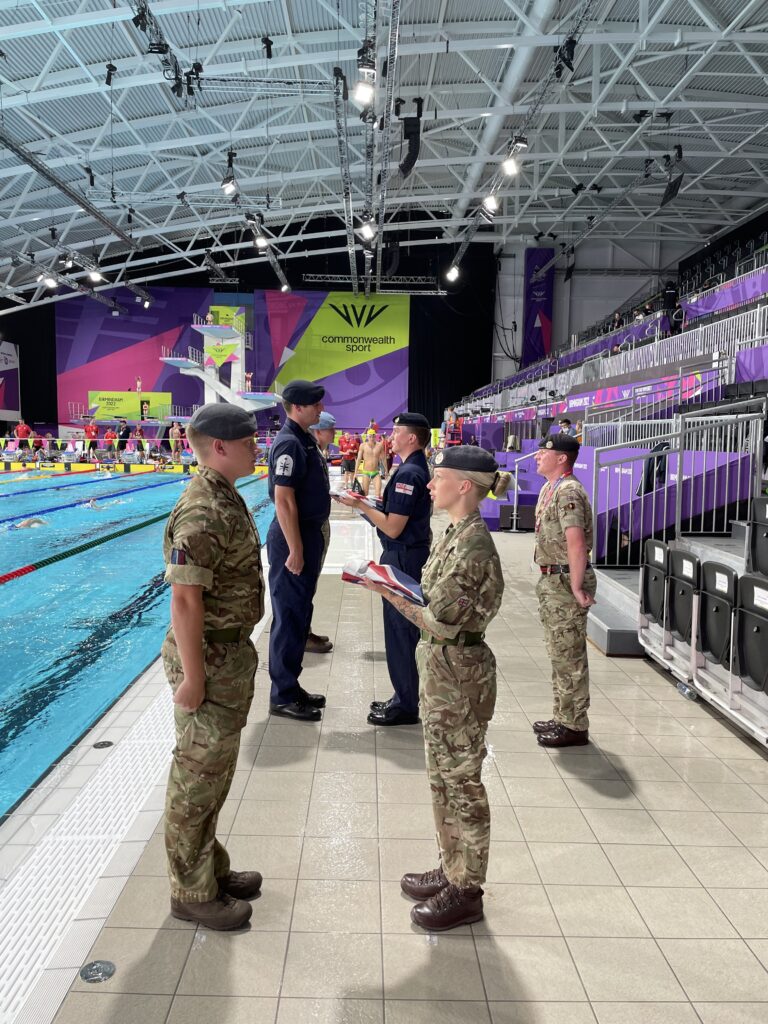
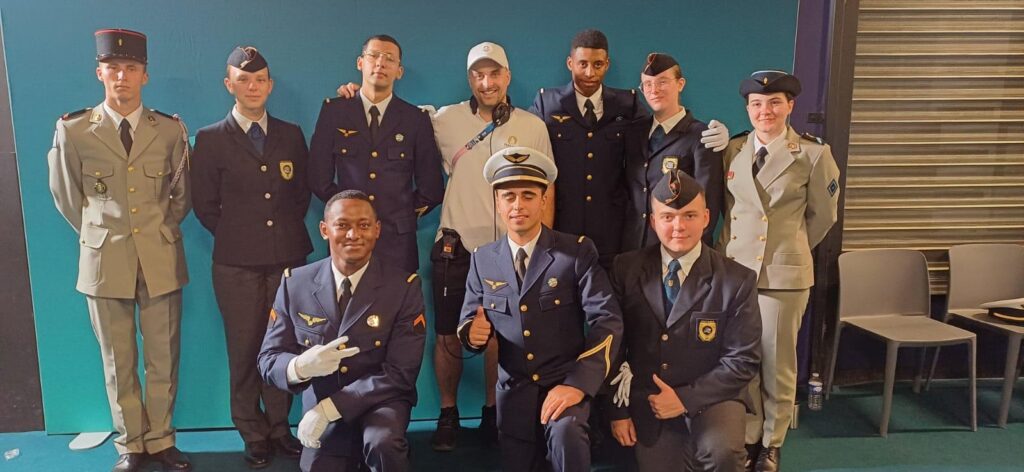
Much of this work involves training and coordinating the military personnel tasked with raising flags and presenting medals at sporting ceremonies. “I have had a close relationship with the military through my career. Most recently in Paris, I trained cadets and serving military on flag raising protocols for the victory ceremonies. Over the years I have trained and worked with hundreds of young military personnel and have stayed in touch with many of them. They are so professional, keen and enthusiastic; I’ve gained a huge respect for our Forces and built real camaraderie delivering a job together. Much of what we present involves VIPs and is on live TV so there is nowhere to hide! With no room for mistakes the pressure is huge – it really builds a close trust, respect and connection with the team you are working with.”
While Baz was working on the Commonwealth Games in Birmingham in 2022, he met one of The Not Forgotten’s beneficiaries, Army veteran Suzanne Cumberland who was a Protocol Officer on his team. “We got on so well together. I have fond memories of greeting HRH Prince Edward who presented a medal and many other high-profile guests.”
“It was Suzanne who introduced me to The Not Forgotten and all the fantastic work you do. When I got my place in the London Marathon and was considering which charity to fundraise for I suddenly realised who I wanted to support - this is my way of giving back to all the military personnel who I have worked alongside over my career.”
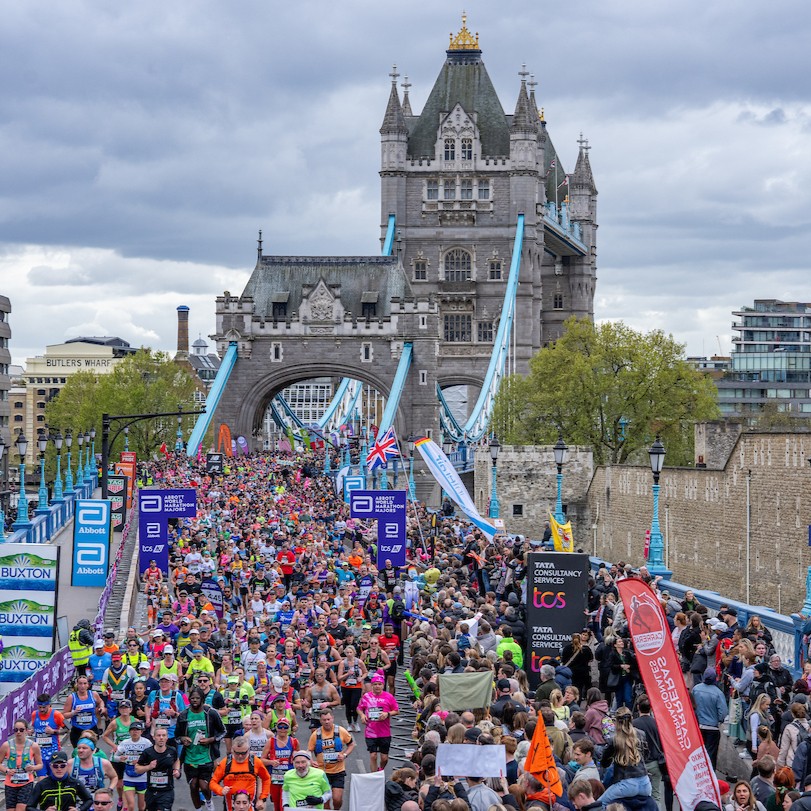
We turn to discuss Baz’s marathon performance itself. Baz says time-wise, he'd like to finish the race somewhere between 4-5 hours, but actually he says, time isn’t his main goal. Ten years ago he was hyper-focused on the race and his time, and feels he maybe missed out on some of the fun along the way.
“I really want to soak up the atmosphere this time around, soak it all up – all the music and amazing crowds – try to enjoy the experience!”
He's been training in earnest for several months now, and since Christmas is being careful with his diet and cut out alcohol altogether. “It’s a mental as much as a physical challenge” he points out; “It’s also a very solitary sport. You have to just plug yourself in and focus. It’s such a big undertaking, there’s no getting out of it – you have to keep yourself accountable and not take it lightly. But it’s a transformational experience too, one which can be the start of a real change in your life.”
And Baz’s advice for anyone considering taking on a marathon, half marathon or other sports challenge?
“My first piece of advice is simply to give it a go! What have you got to lose? The training for the event itself will hold you accountable and is definitely a mental and physical challenge for those looking for extra motivation! If you train seriously and run for a good cause, you will smash it.”
The London Marathon in particular, Baz thinks, is “such a diverse and inclusive marathon, open to everyone whatever their shape, size, age and experience level. It also has an incredible history and story behind it. And the crowds and atmosphere are amazing – somewhere around mile 20 most runners hit a wall, but the crowd will get you over that finish line!”
We can’t wait to be there on April 27th to cheer Baz and Stephen over the finish line (more on Stephen’s story to follow in another blog).
Please do sponsor Baz by visiting his fundraising page:
https://2025tcslondonmarathon.enthuse.com/pf/richard-bazley

Last year The Not Forgotten was involved in the pilot of a programme we had never tried before in our 104-year history - an art engagement project for veterans.
This programme - entitled 'Behind the Mask' - was created by the Department of State Bureau Overseas Buildings Operations Office of Cultural Heritage at the U.S. Embassy London. The idea was to bring a group of veterans together at a retreat and encourage them to explore their emotions and their often traumatic experiences through the painting of masks.
The team at the Office of Cultural Heritage, led by senior curator Joseph Angemi Jr., had witnessed the power of art therapy through the creation of masks by an American veteran cohort, and approached The Not Forgotten to see if we were interested in spearheading a pilot programme with British veterans.
This brought us, on a summer's week in June 2024, to Ashcombe in Devon where twelve TNF beneficiaries gathered to be willing 'guinea pigs' on the project.
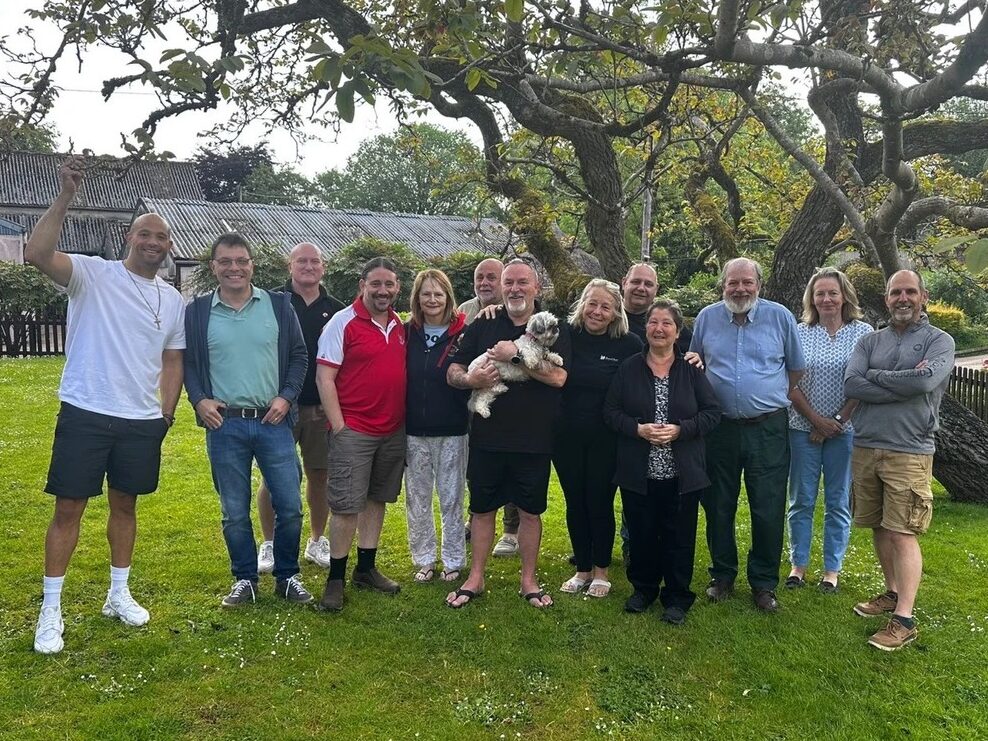
After settling in to this tranquil setting; bonding, reflecting, and visiting places in the local area as inspiration, the group spent many hours forming the designs for their masks and bringing them to life in vivid paint. Some of the group were more artistic or experienced than others but that didn't matter - what mattered was using the artistic process as a form of therapy, the veterans exploring their past and its impact on their mental health; how it has shaped them as the person they are today.
"The mask is both an inner and an outer expression of self", explains the project's curator Joseph Angemi Jr., senior curator at the U.S. Office of Cultural Heritage. "Simply put, the outer portion, or face, of the mask was what the veterans believed they showed the world, while the interior was ultimately how they felt about themselves. Powerful emotions distilled into a simple format."
"This simplicity was expressed through shared loves. hates, sorrows and joys. These universal imperatives are present in peoples across the globe...but in these veterans' cases their bonds were forged in high-stress environments, almost always starting at a young age and without being given time for reflection."


"I watched the veterans create their masks, studying the cues they left behind in colours and design. I was struck by what I can only equate to a form of sympathetic magic. That is, their work on the masks was imbued with the energy of the veterans themselves, infusing their art with decades of experience and emotion. Their art exudes raw and unadulterated emotions; love, loss, and both physical and mental scars."
"It was a brilliantly simple idea, that we could use art and creativity to show others our inner troubles" agrees Karl, one of the veterans who took part. "Each and every mask had a difficult story behind it and emotions were high. It was incredible to listen to the stories of life that was being told by the voice behind the mask. We all felt the unity of not only our pain but also that of human kindness, a belonging, a harmony of hope."
But the week in Devon and the therapeutic journey experienced by the veterans wasn't where the project ended. Joseph's vision for the project extended to not just to the creation of the masks, but an ambition to display the masks to the public - initially at the U.S. Embassy London, and then touring to other venues.

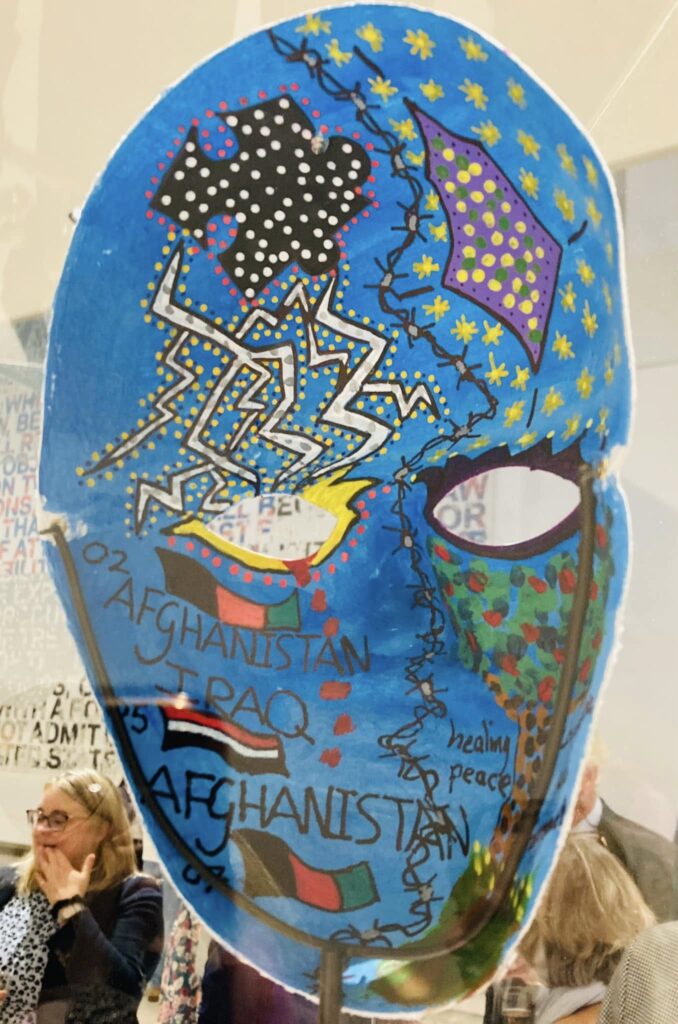
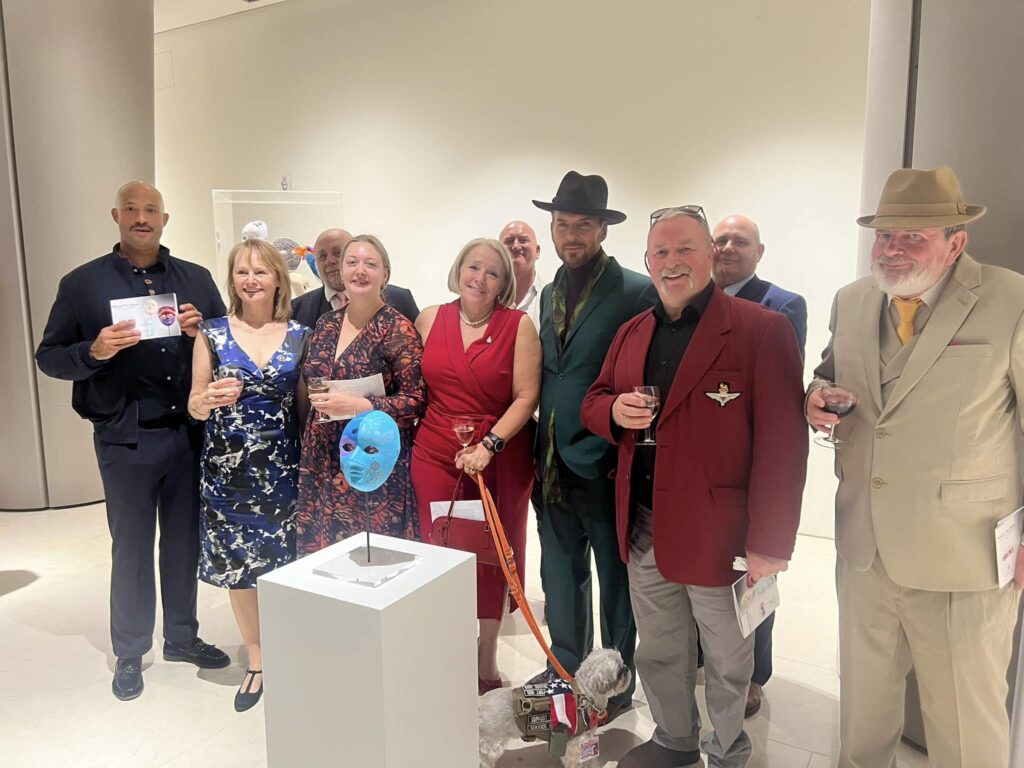
In October 2024 the masks were unveiled at a prestigious event at the U.S. Embassy London, attended by the veteran participants themselves, representatives of the embassy and the Office of Cultural Heritage, staff, trustees, friends and supporters of The Not Forgotten (and a sprinkling of celebrities).
The assembled crowd were completely bowled over by the power and raw emotion of the masks, made all the more poignant by the veterans themselves talking so candidly to the guests about the creative process and what they had discovered about themselves and their inner mind. Some revealed that the words and imagery inside their masks were things they had never told anyone before.


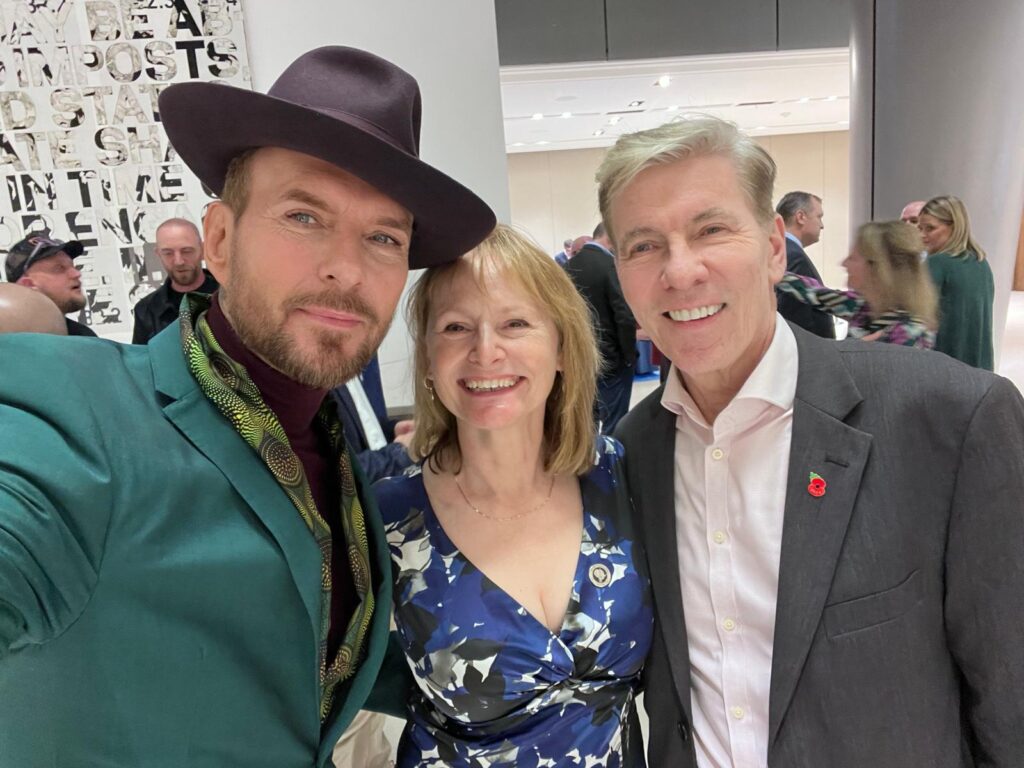
"I am so honoured to have been involved in this hugely beneficial project" concludes veteran Karl. "I do believe that by helping others witness how service has affected us, both physically and mentally, connects us once again as human beings."
See more photos of the 'Behind the Mask' project.
Read veteran participant Karl's full story
Read more from Joseph Angemi Jr., curator of the project
Our huge thanks to Jospeh Angemi Jr. and Lester Oram from the U.S. Department of State Bureau of Overseas Buildings Operations Office of Cultural Heritage, and to all our veterans who took part in the project.
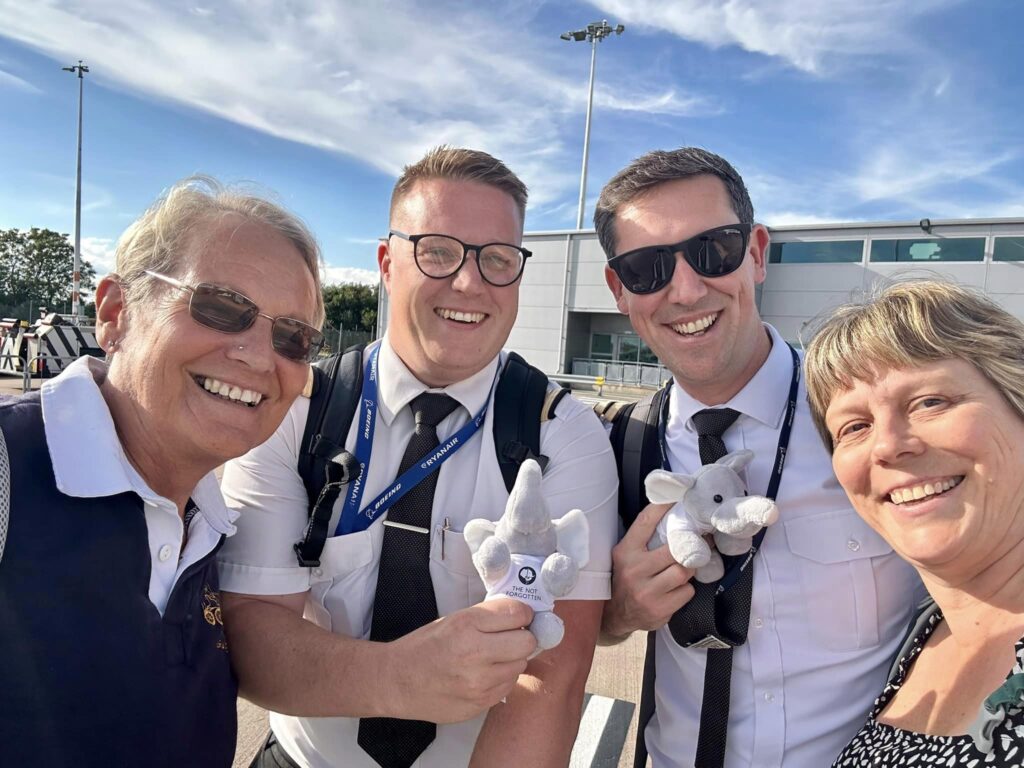
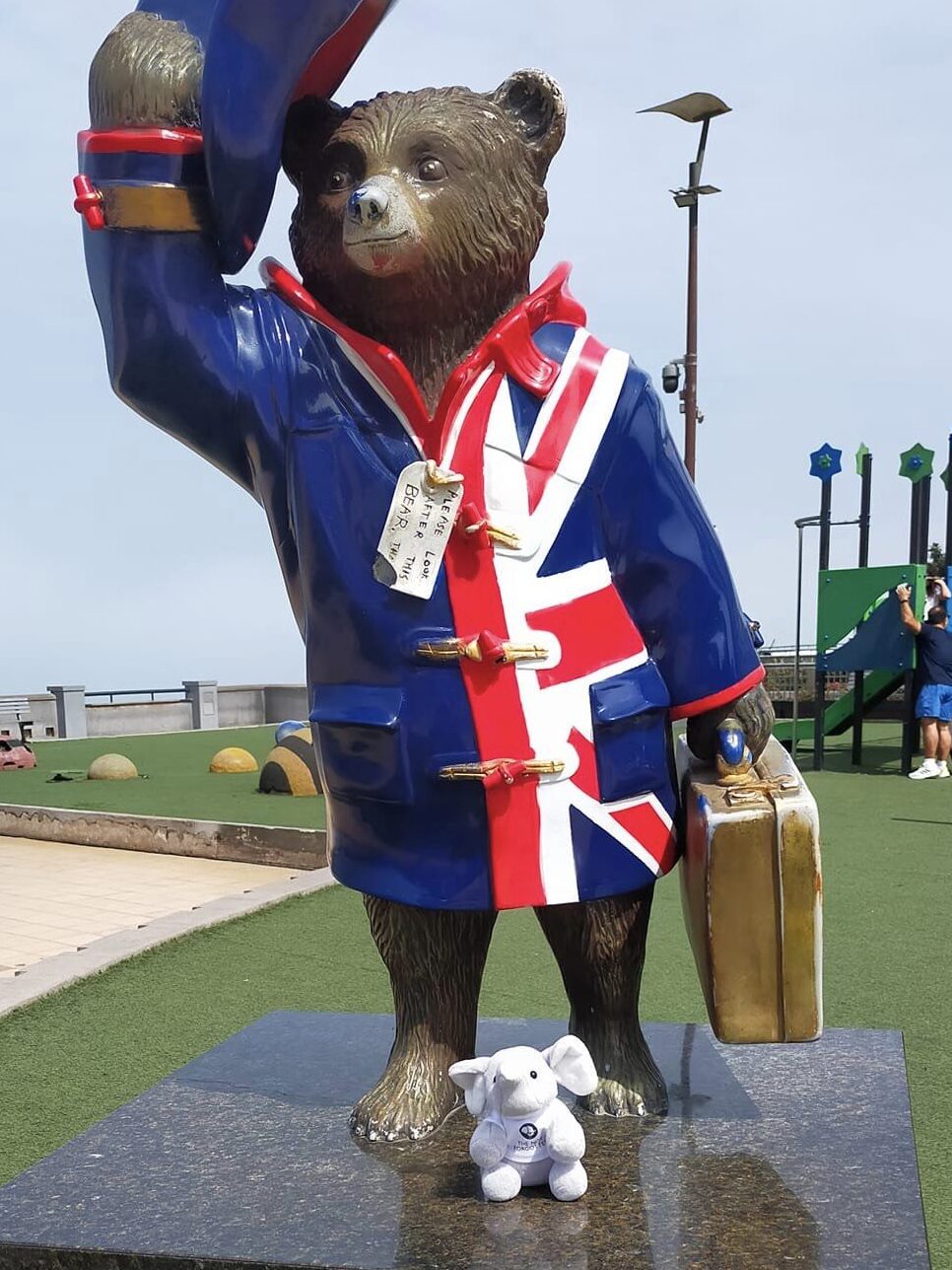
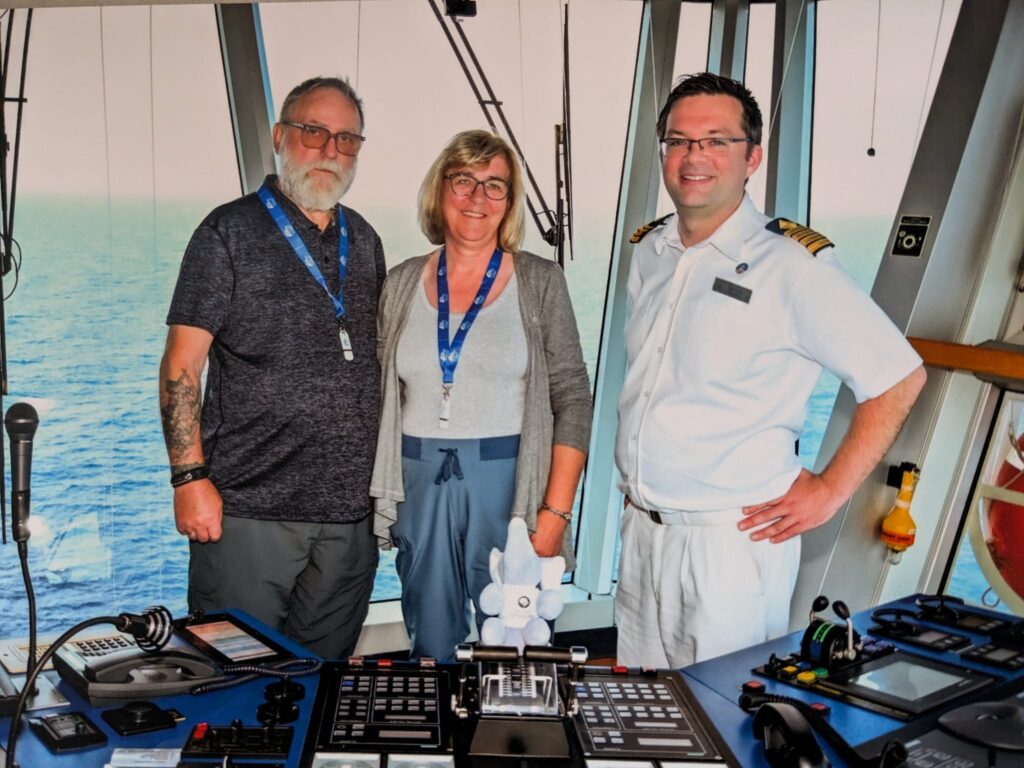
Back in July we launched a competition to see where 'Juno', our cuddly TNF elephant mascot, could travel to with all of our beneficiaries and supporters.
We thought he might pop up in a few interesting places... but we have been inundated with wonderful photos of Juno on tour, getting up to all sorts right around the world!
He's travelled by plane, train and automobile - and even Cunard cruise liner...
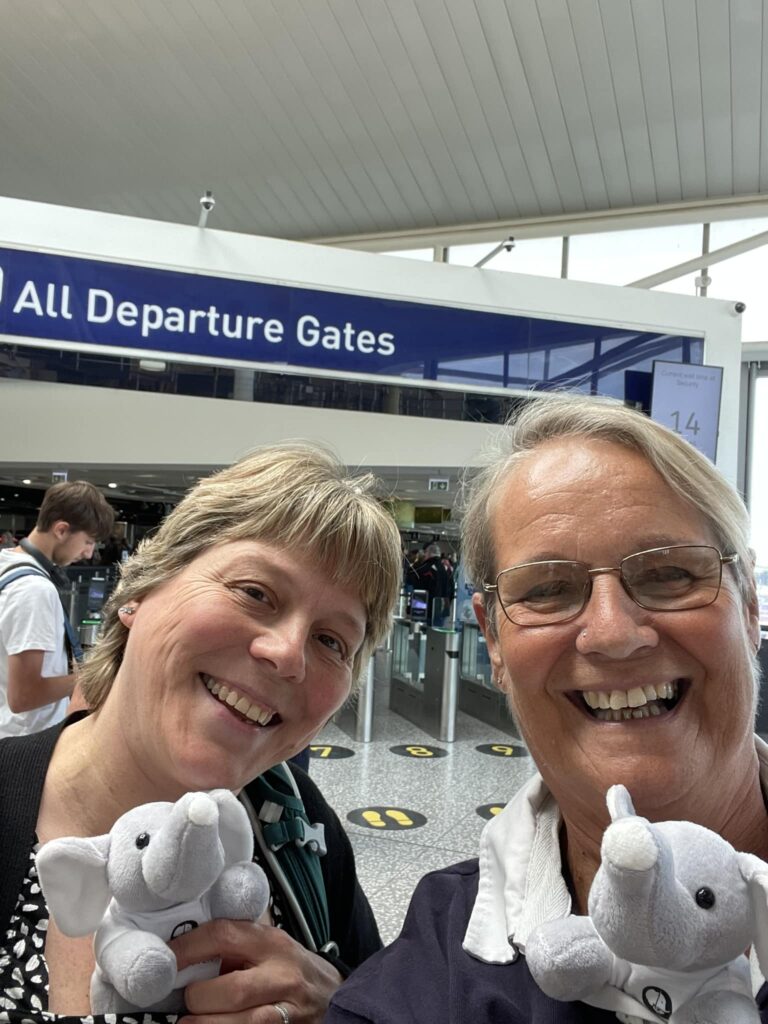
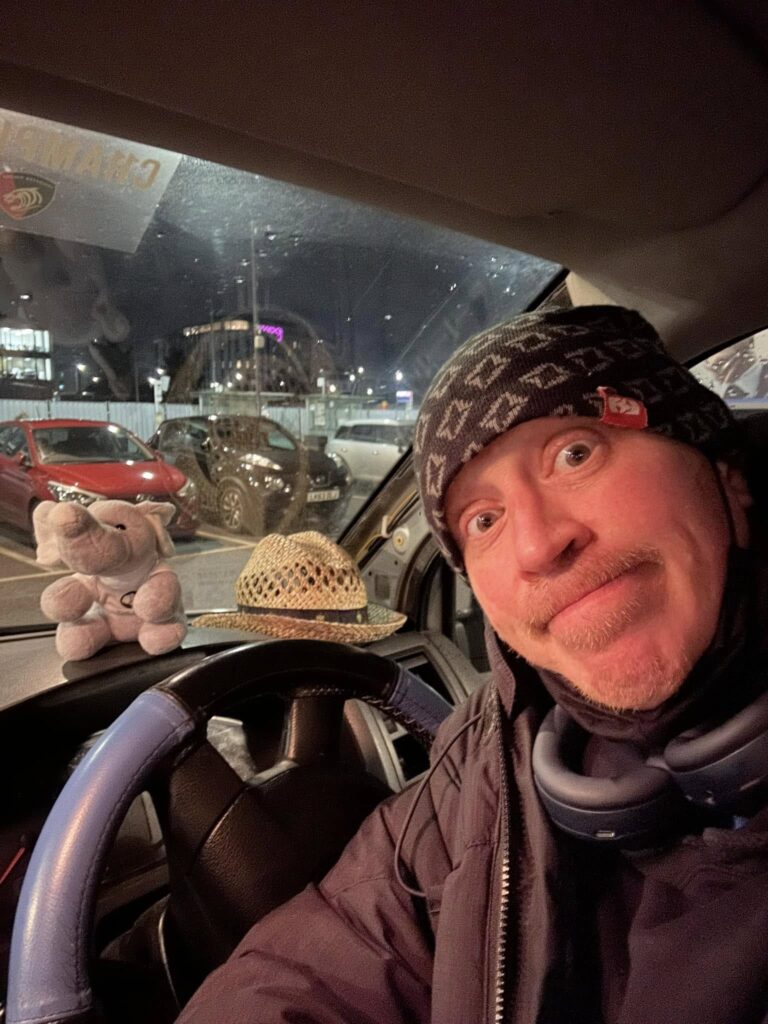

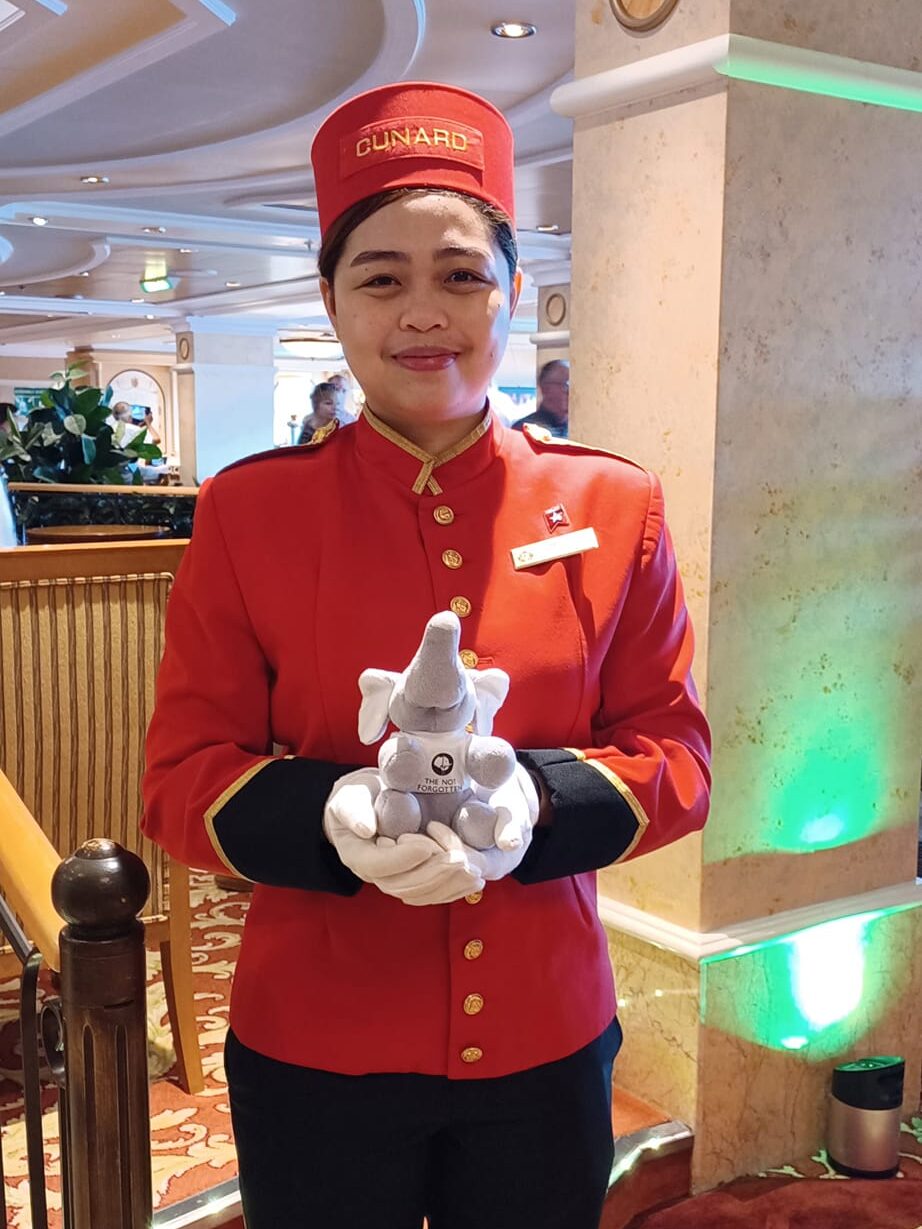
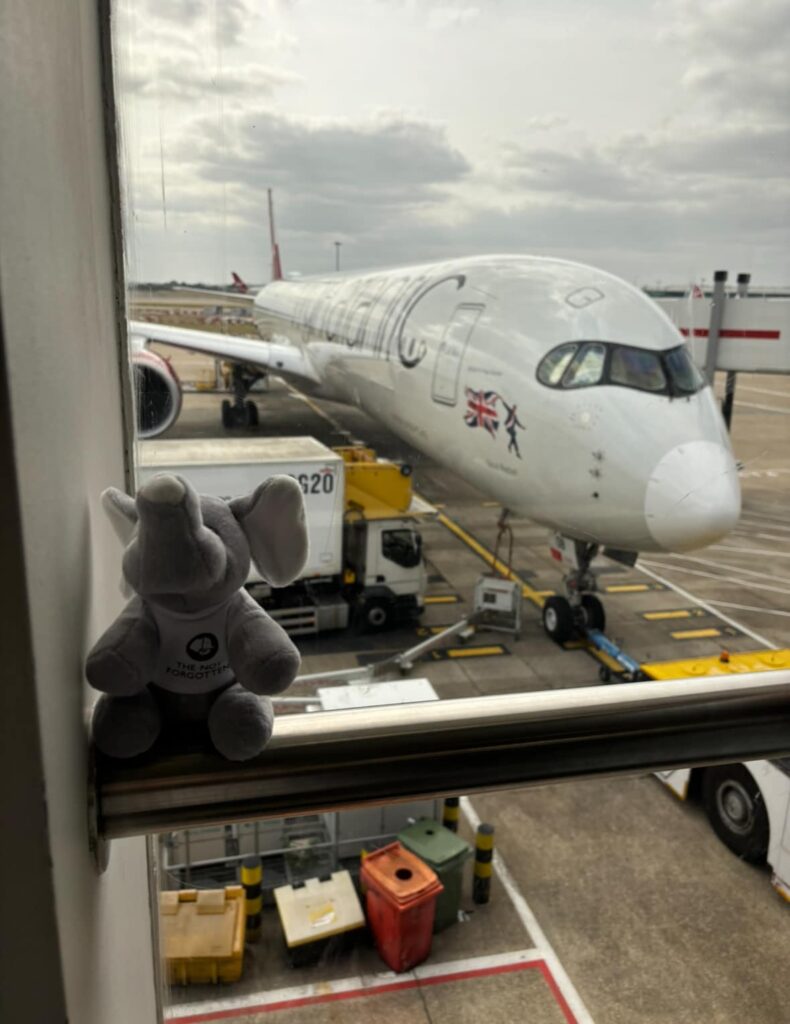
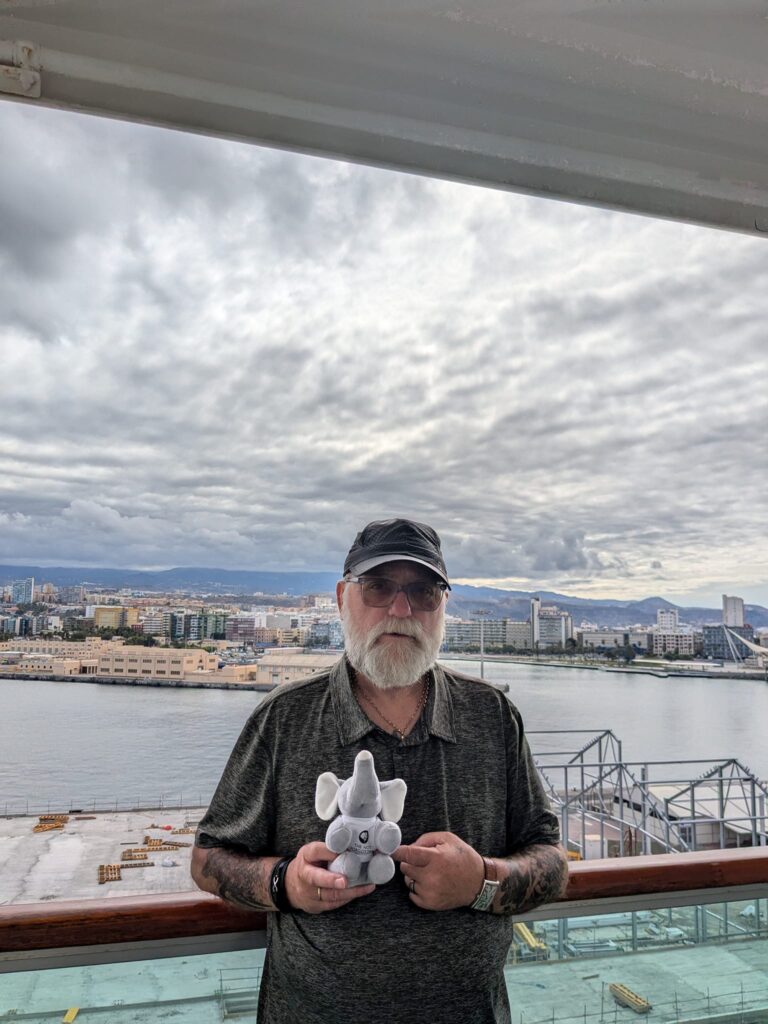
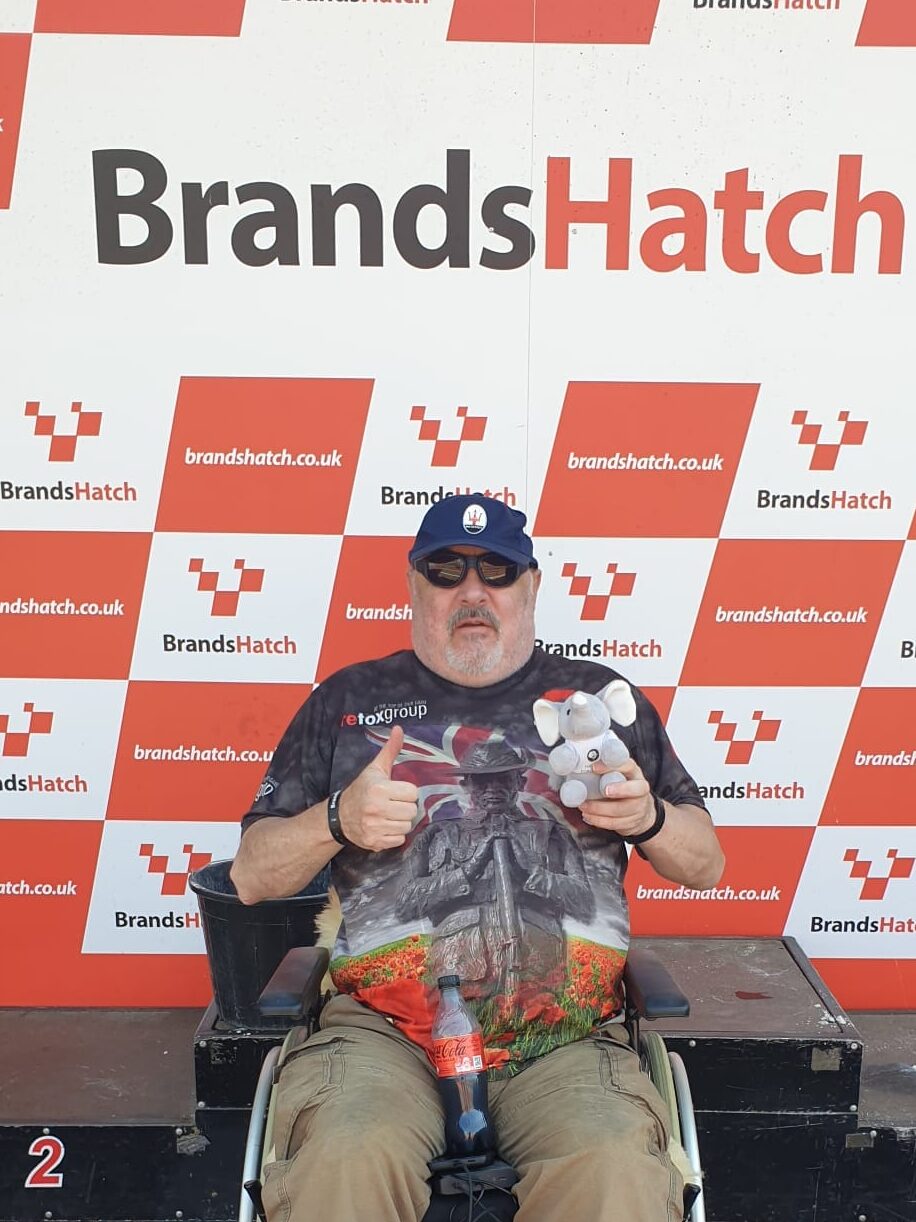

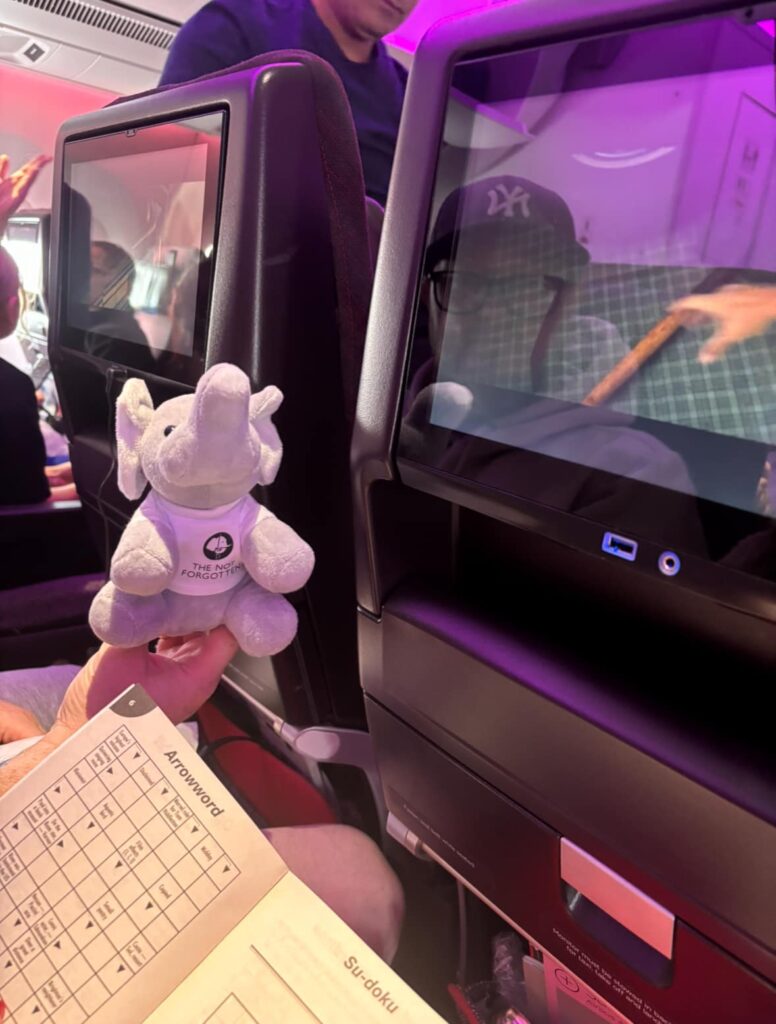
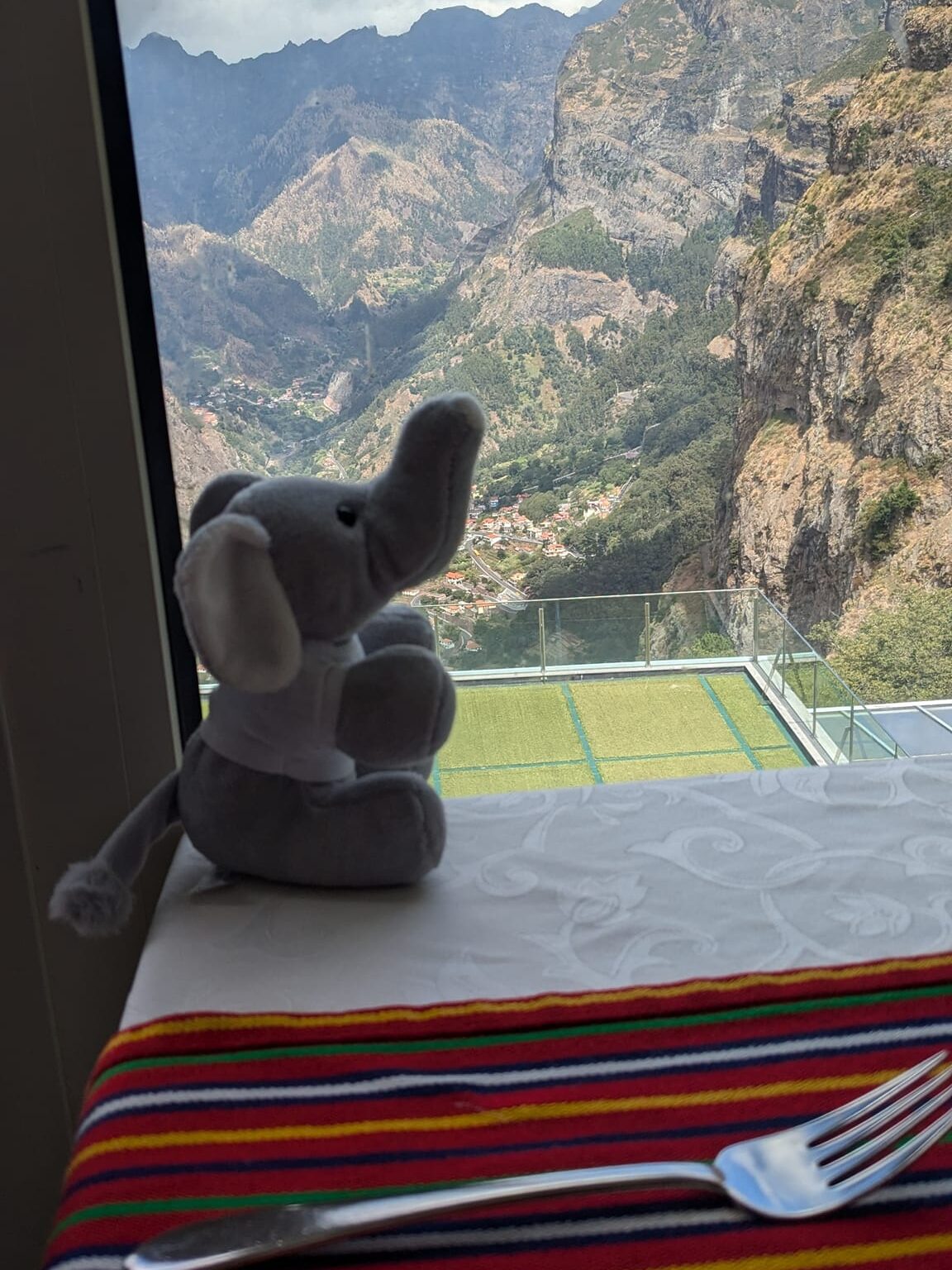
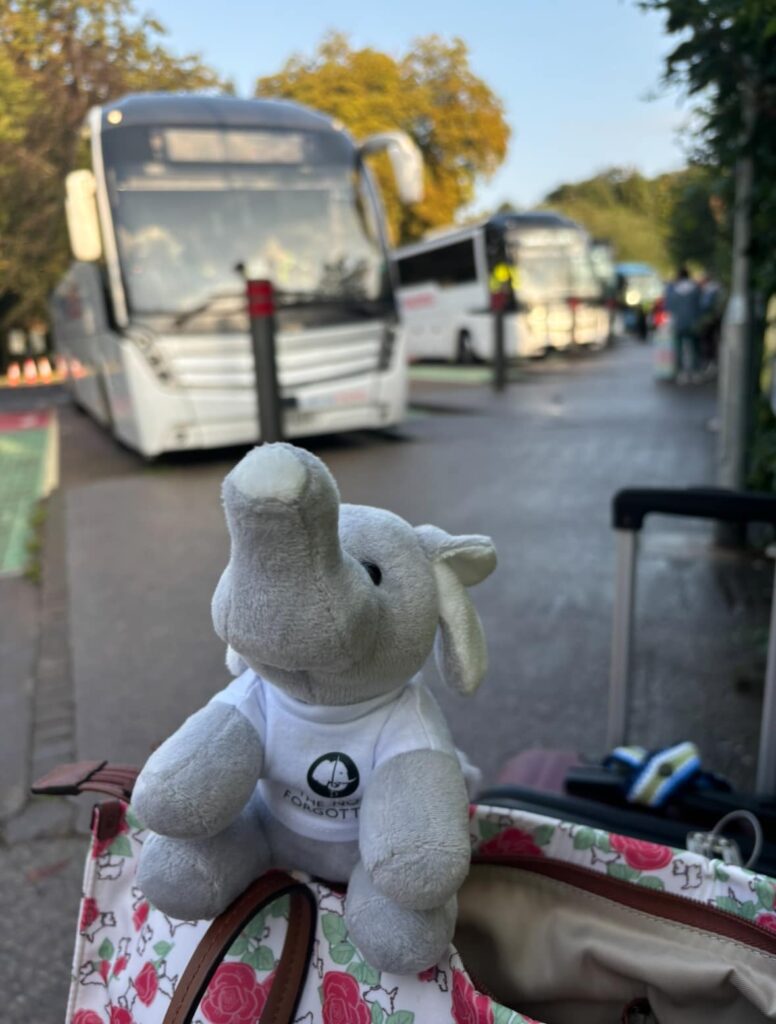
He has visited some stunning places from Macchu Picchu to the Pyramids of Giza, Nova Scotia to Gibraltar, Florida to the Alps, Mexico to Mallorca, Galicia to Dublin to the Outer Hebrides of Scotland...
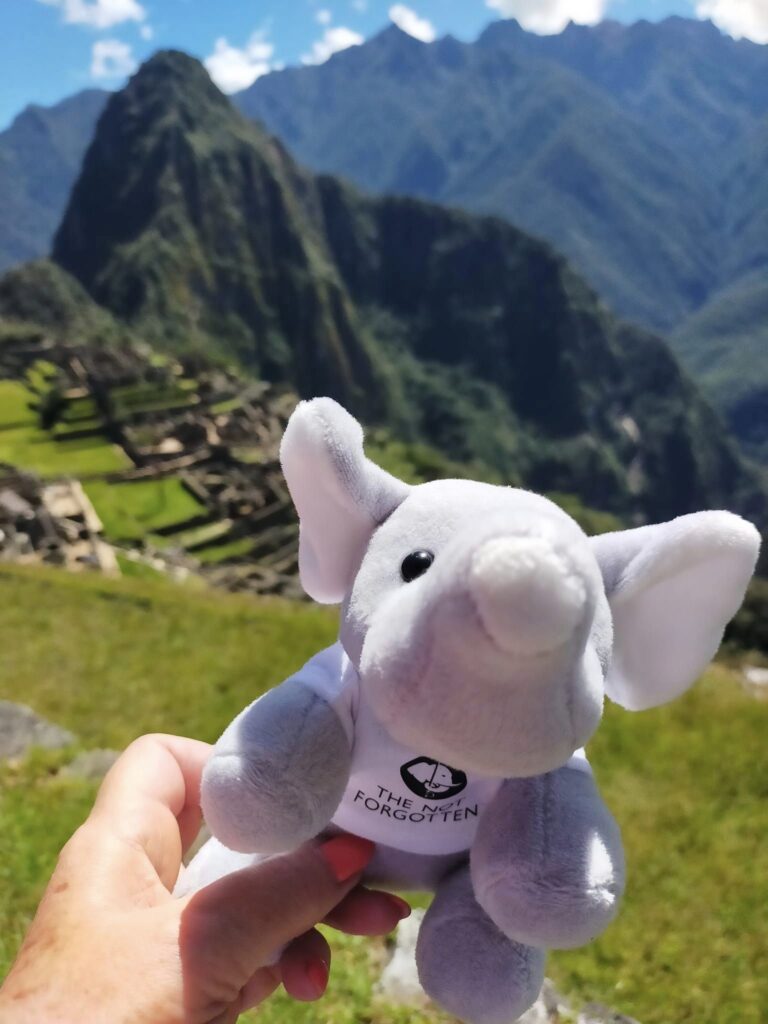

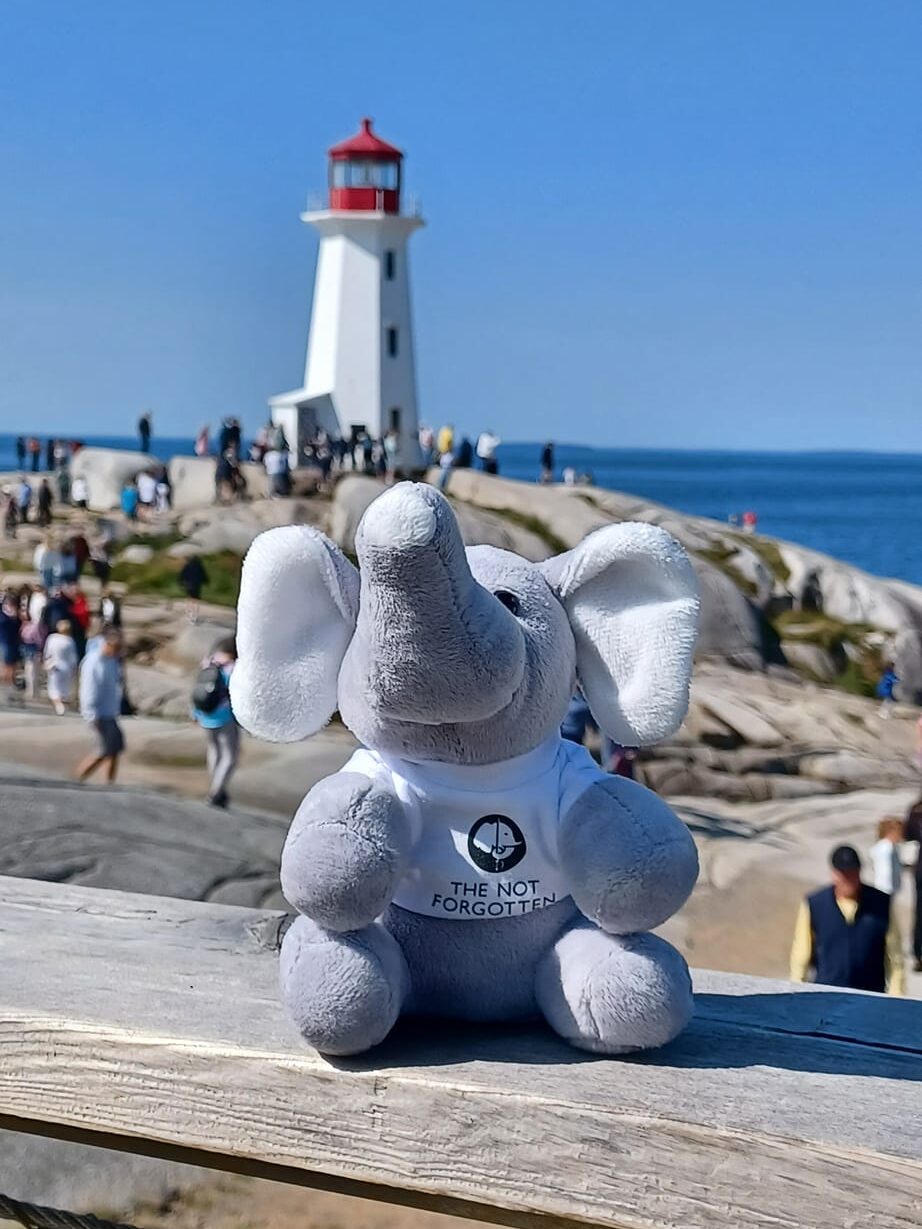
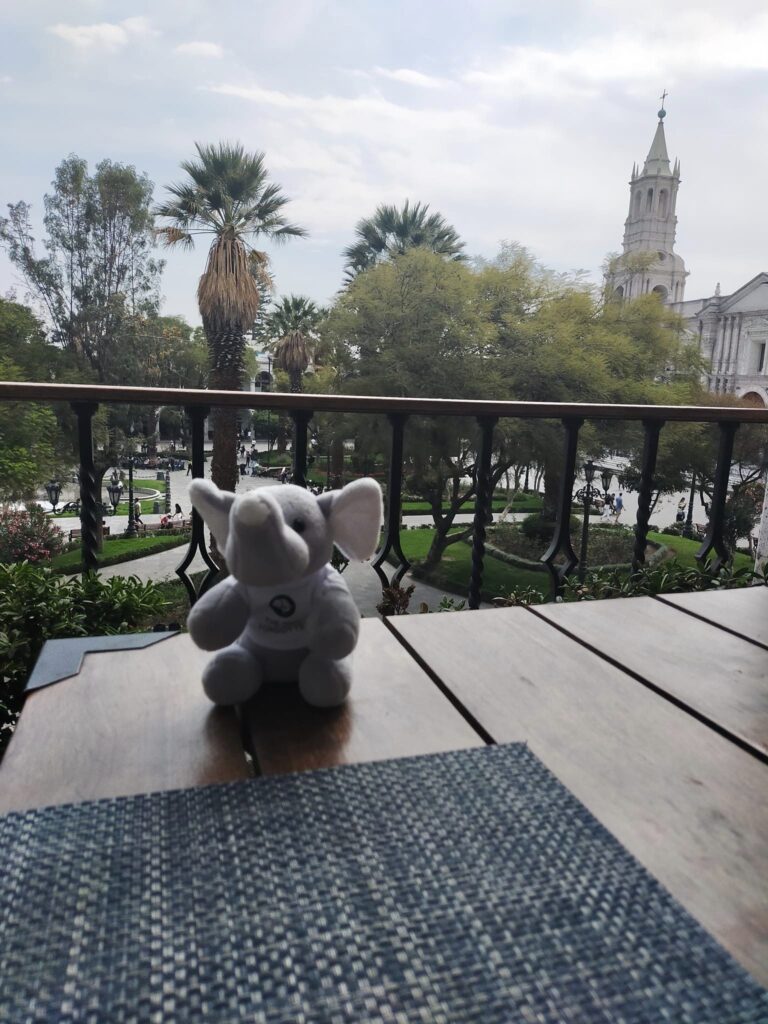
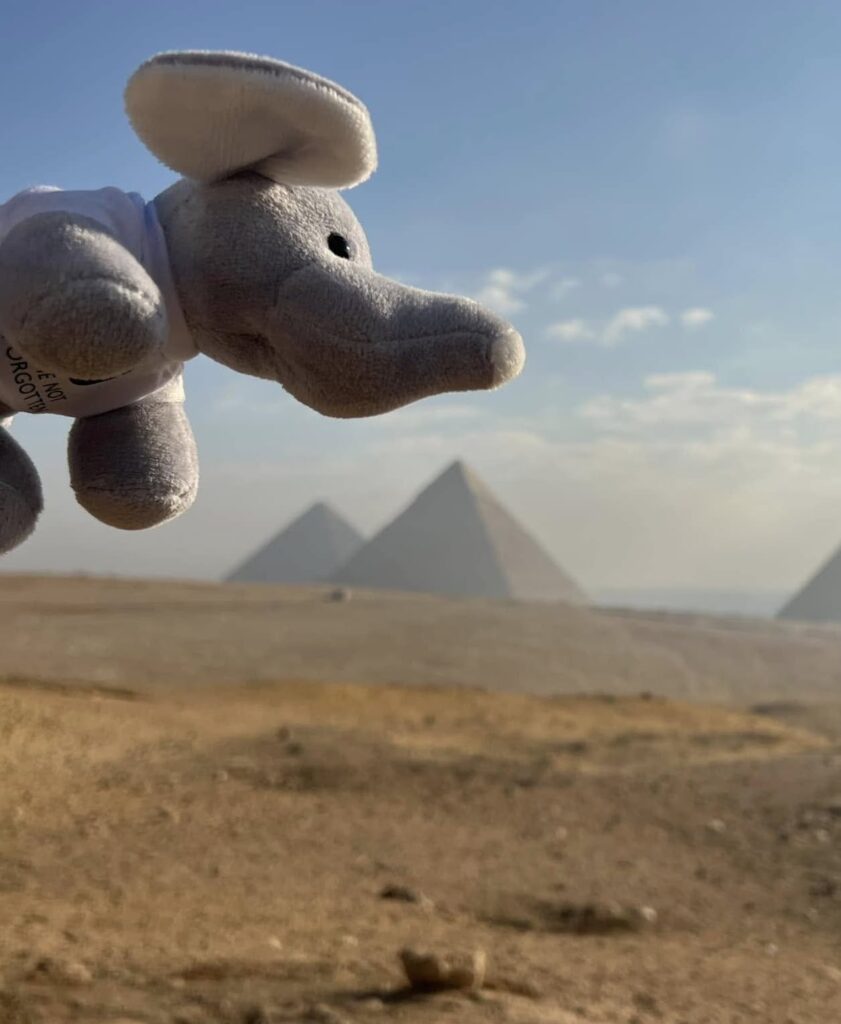
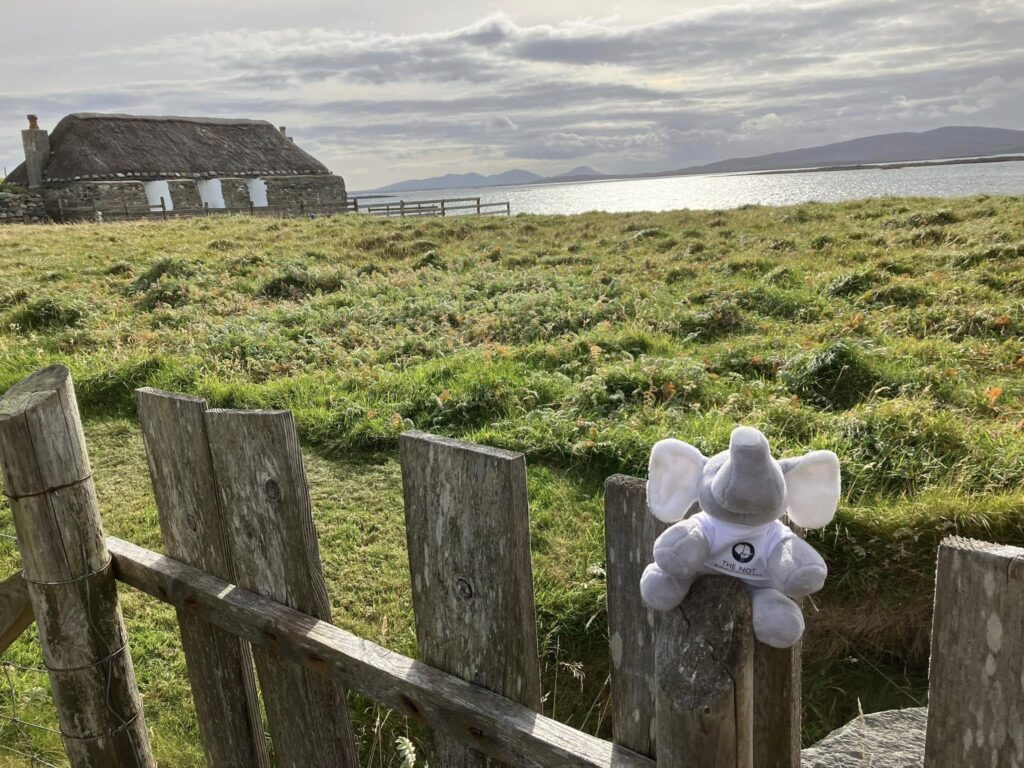
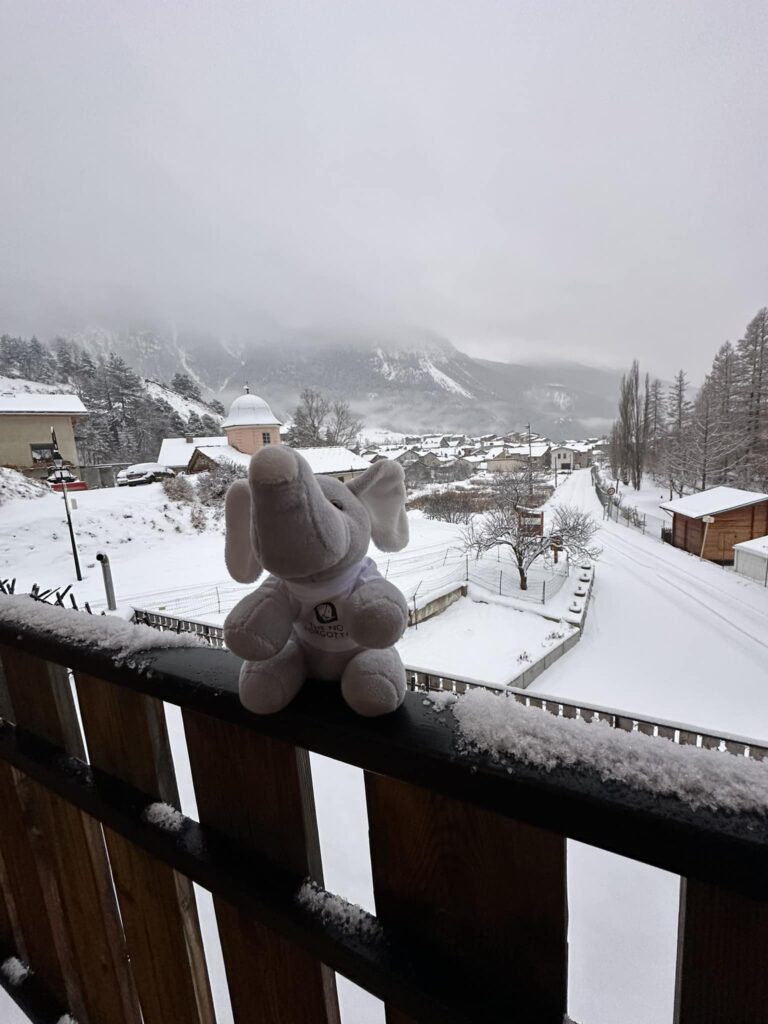
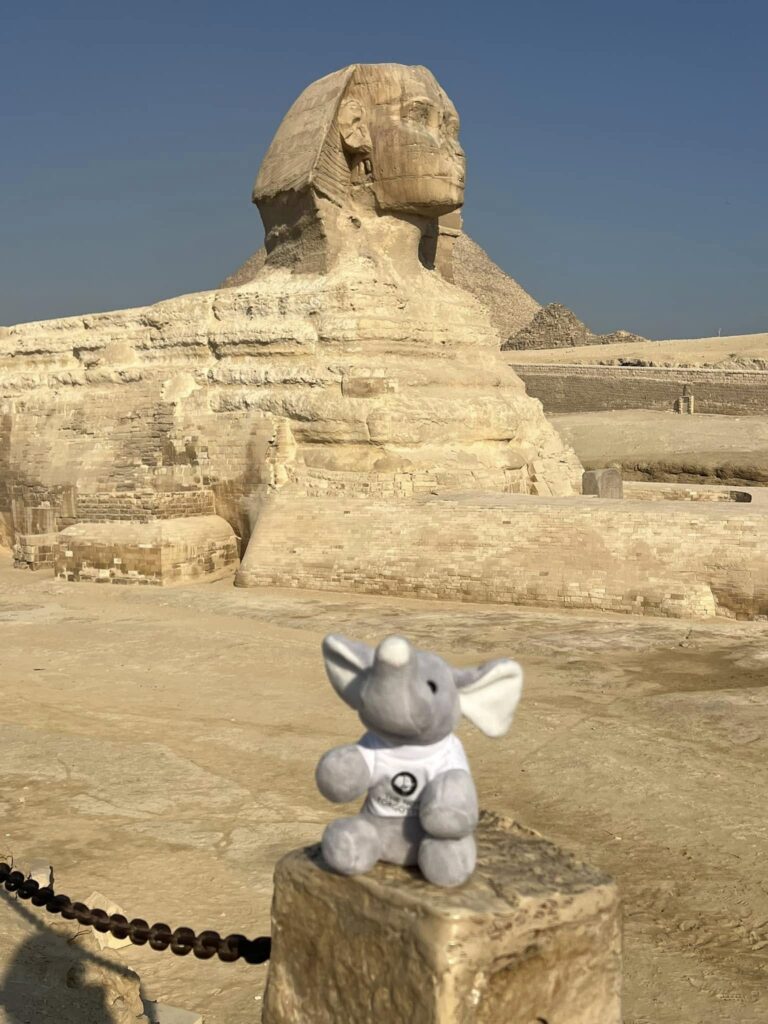
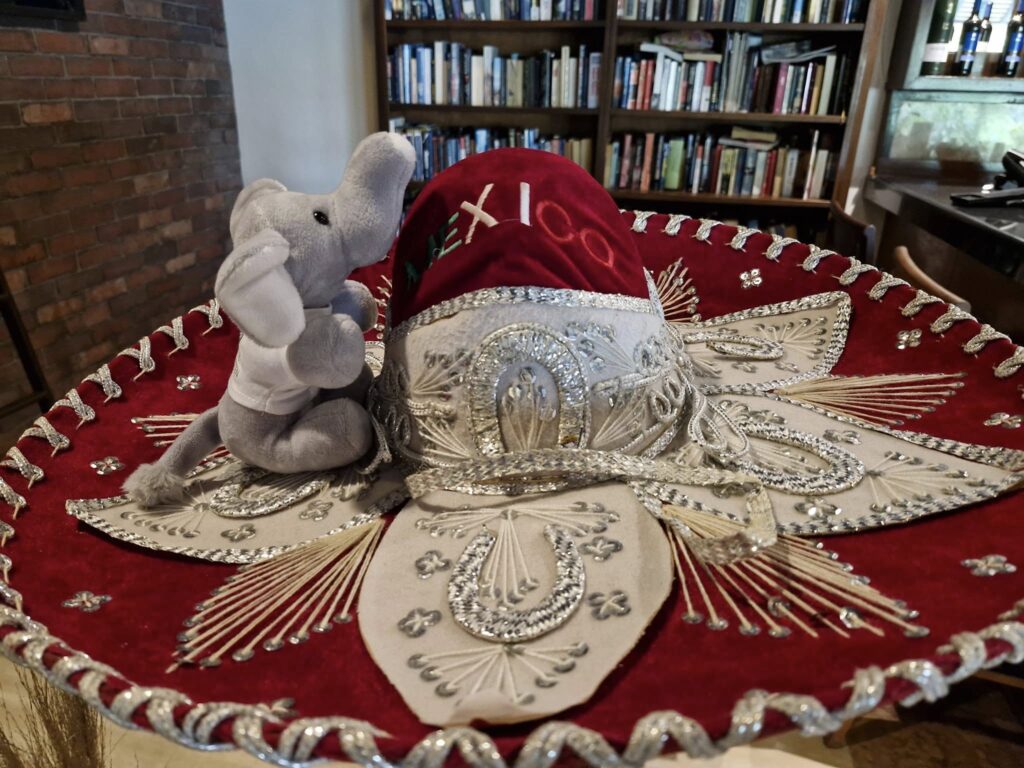
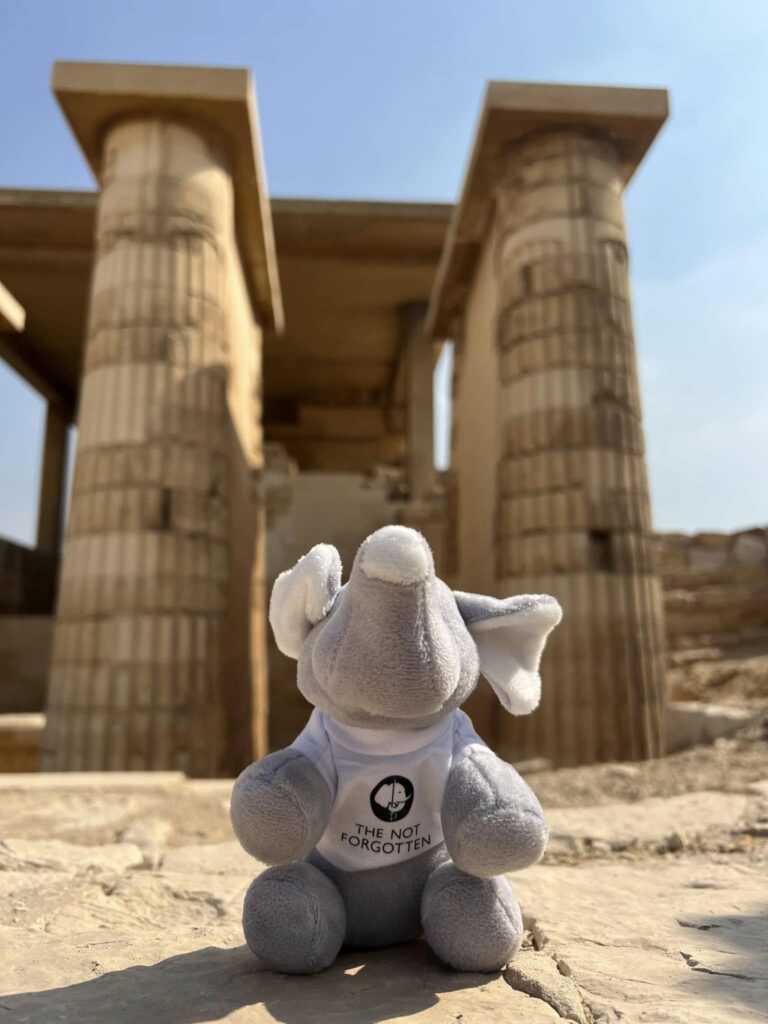
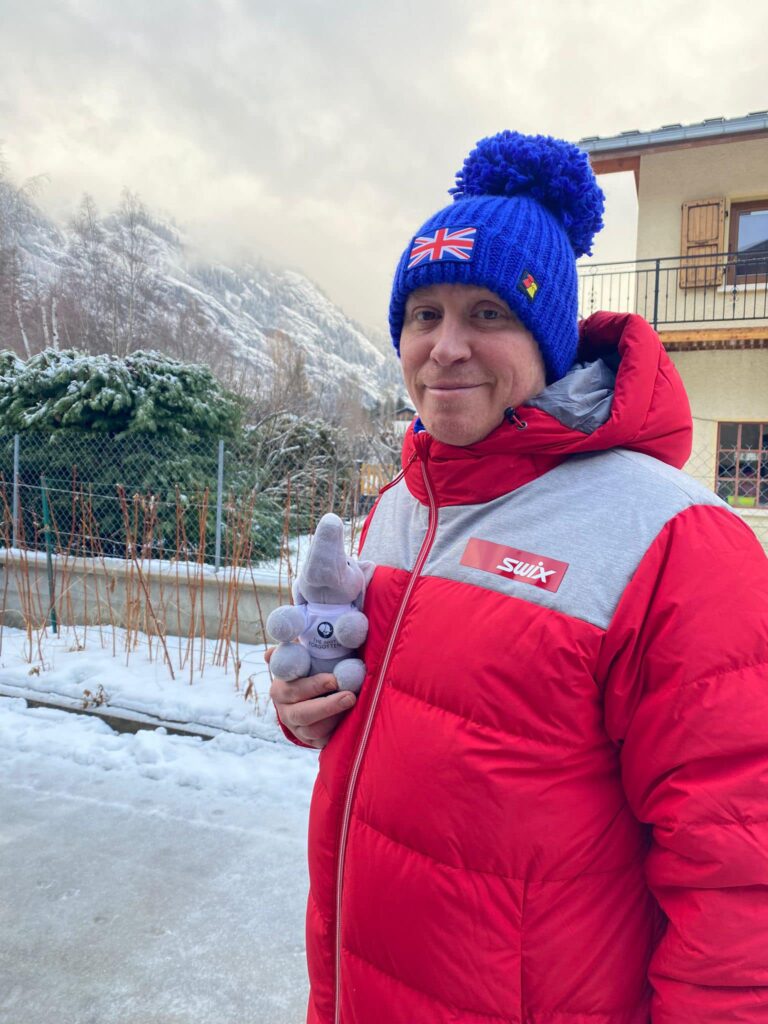
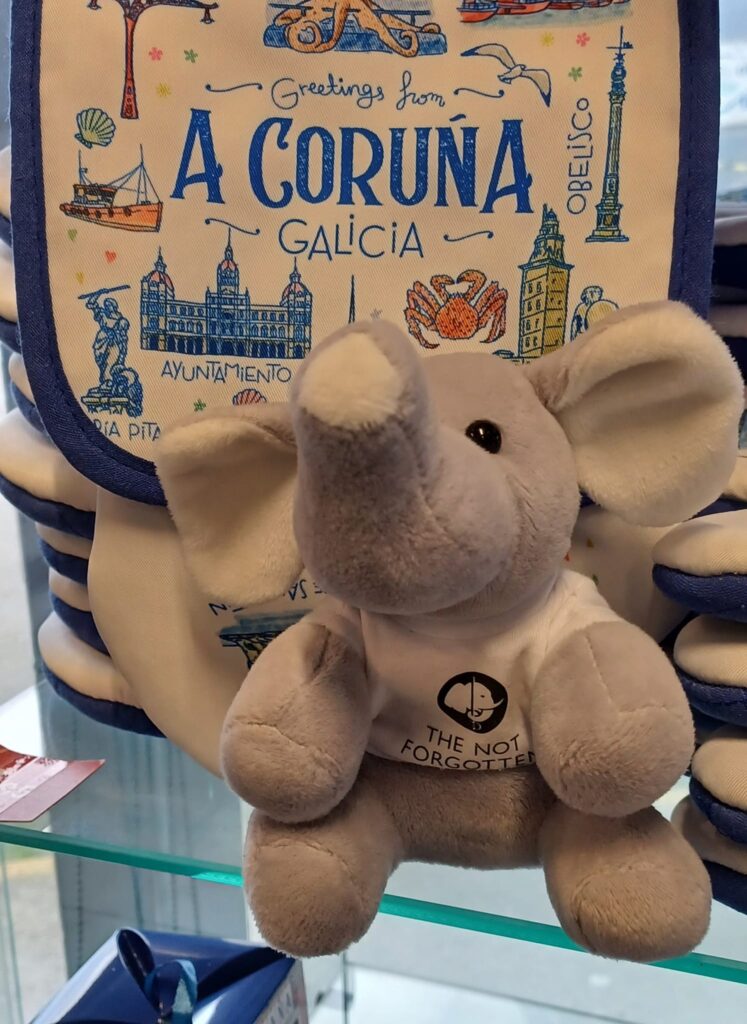
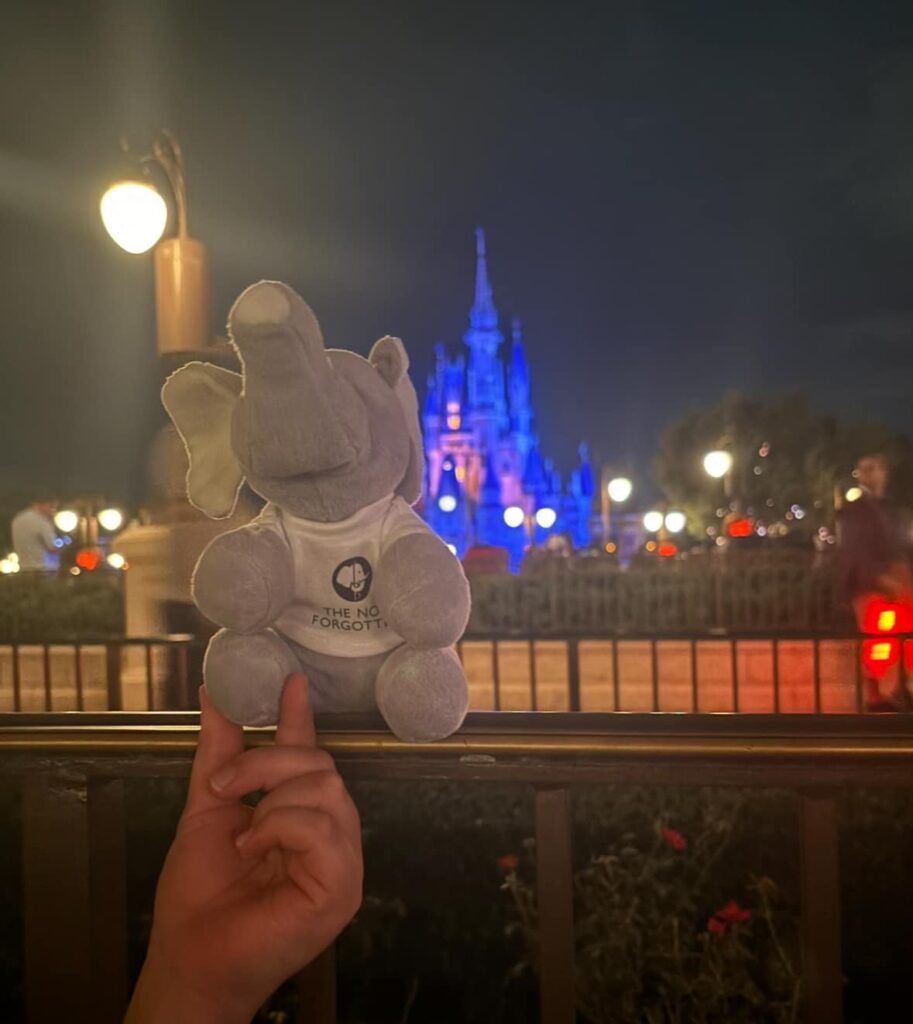
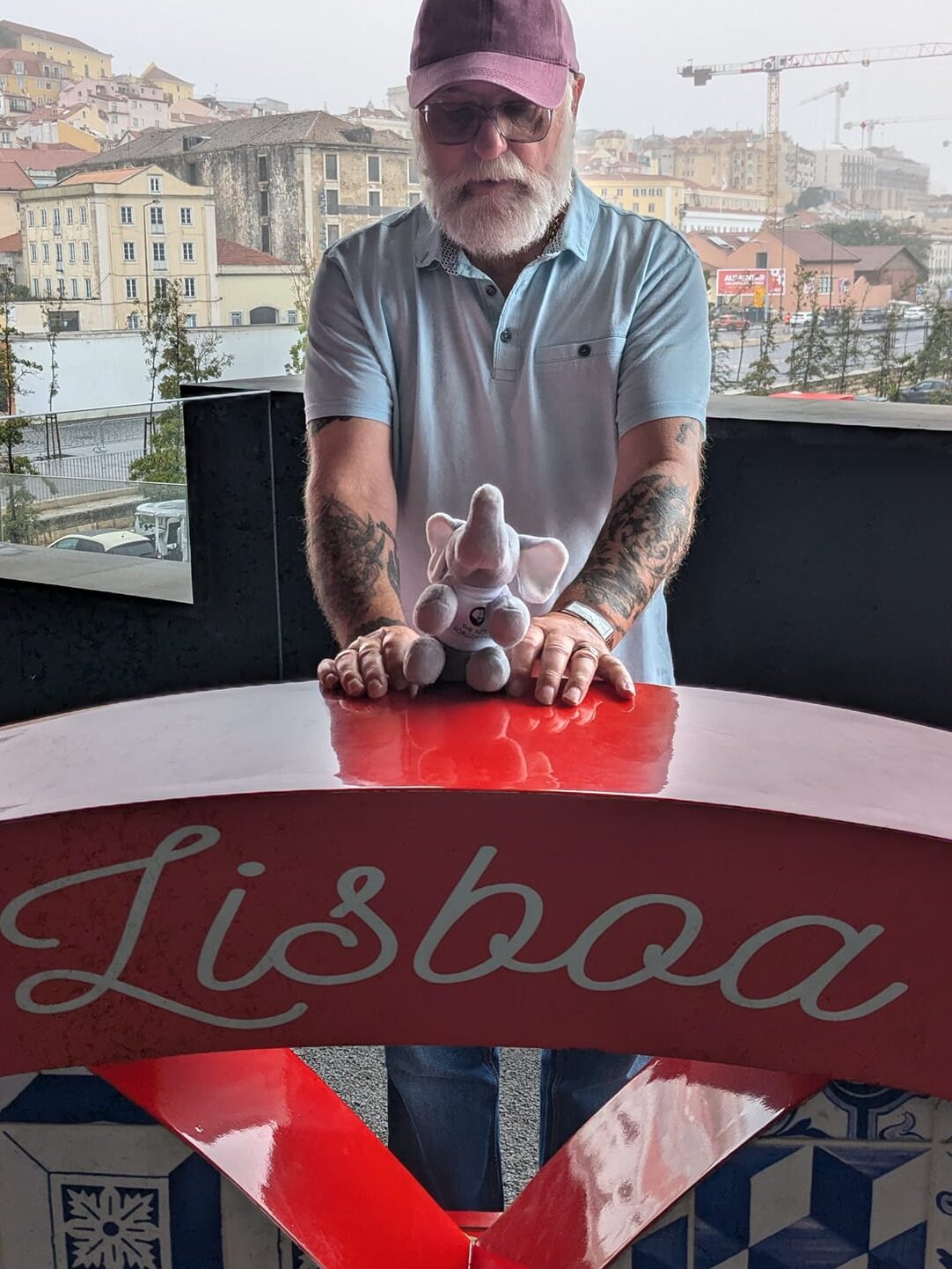
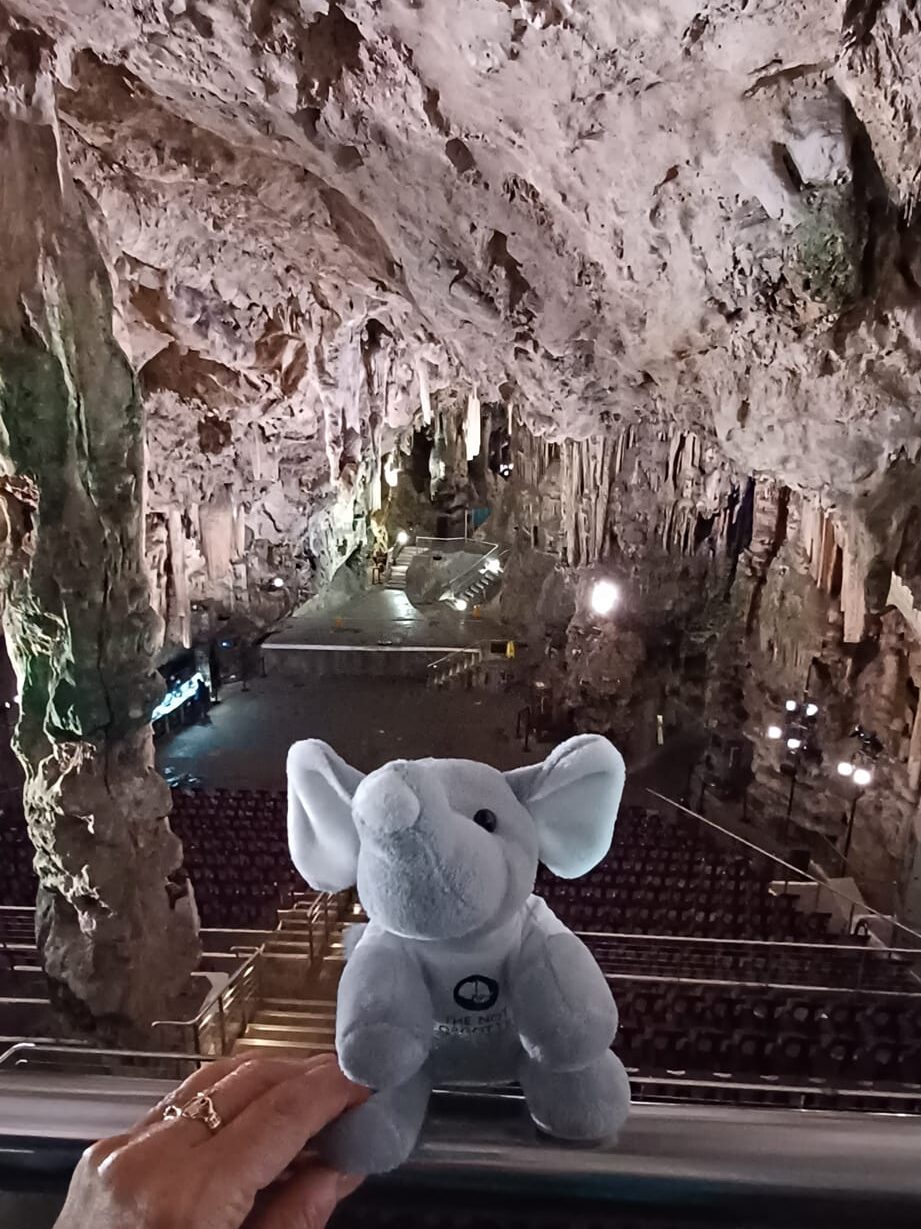
Juno has been very active ski-ing and trampolining, completing the Yorkshire Three Peaks Challenge, visiting museums, war cemeteries and the National Memorial Arboretum, joining our Fun Fests, Drive Ins, collecting at Ideal Home Show, taking part in a children's day at HSBC, and spending a night or two at the Union Jack Club.
He's been living the high life at the polo, on a super yacht, at the House of Son Amar cabaret, driving a supercar around Brands Hatch and relaxing by the pool...
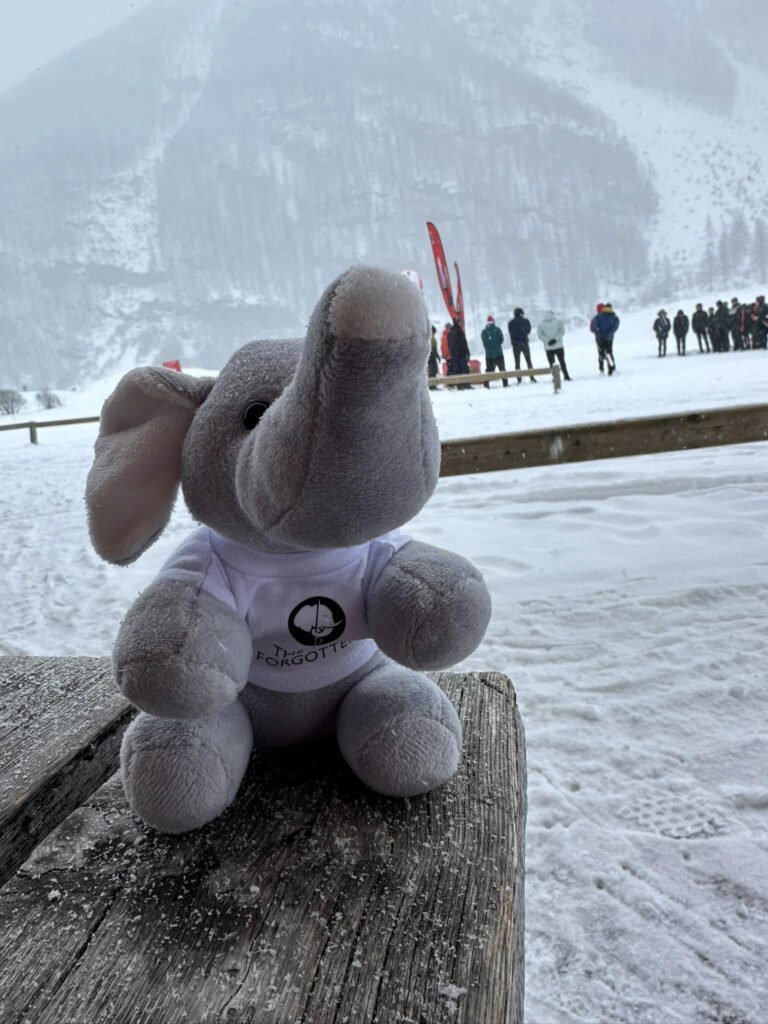
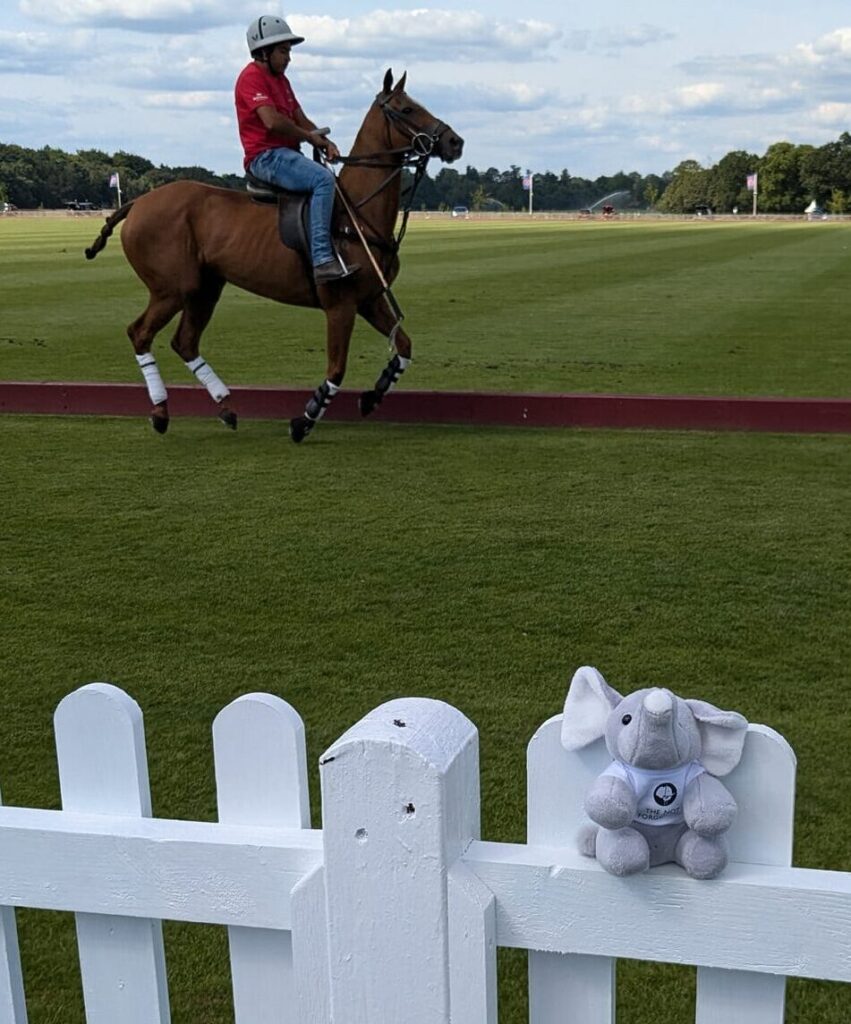
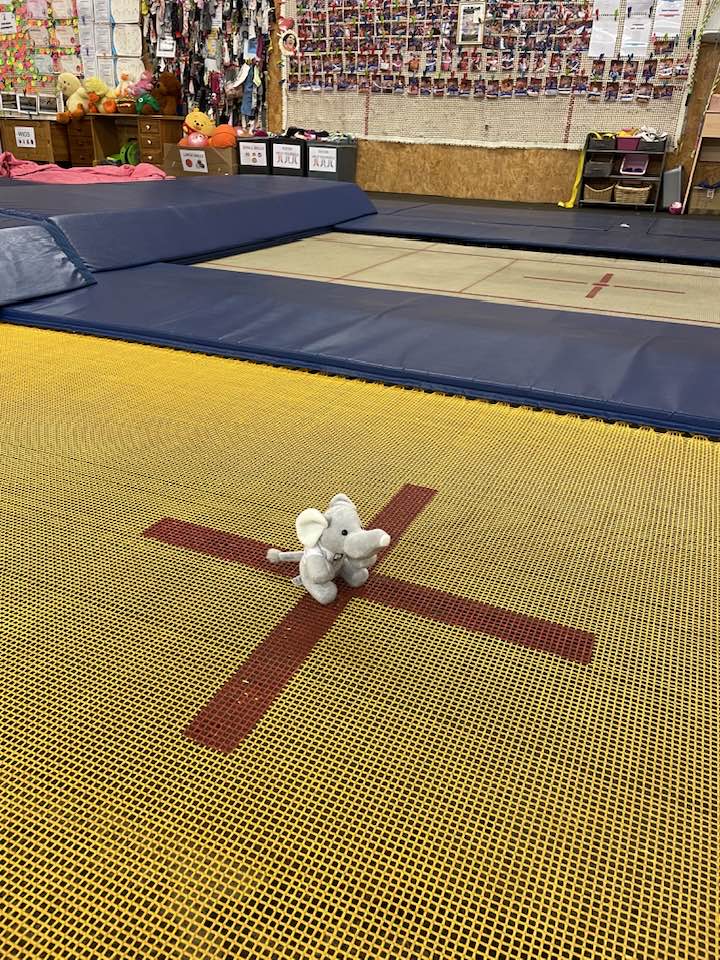
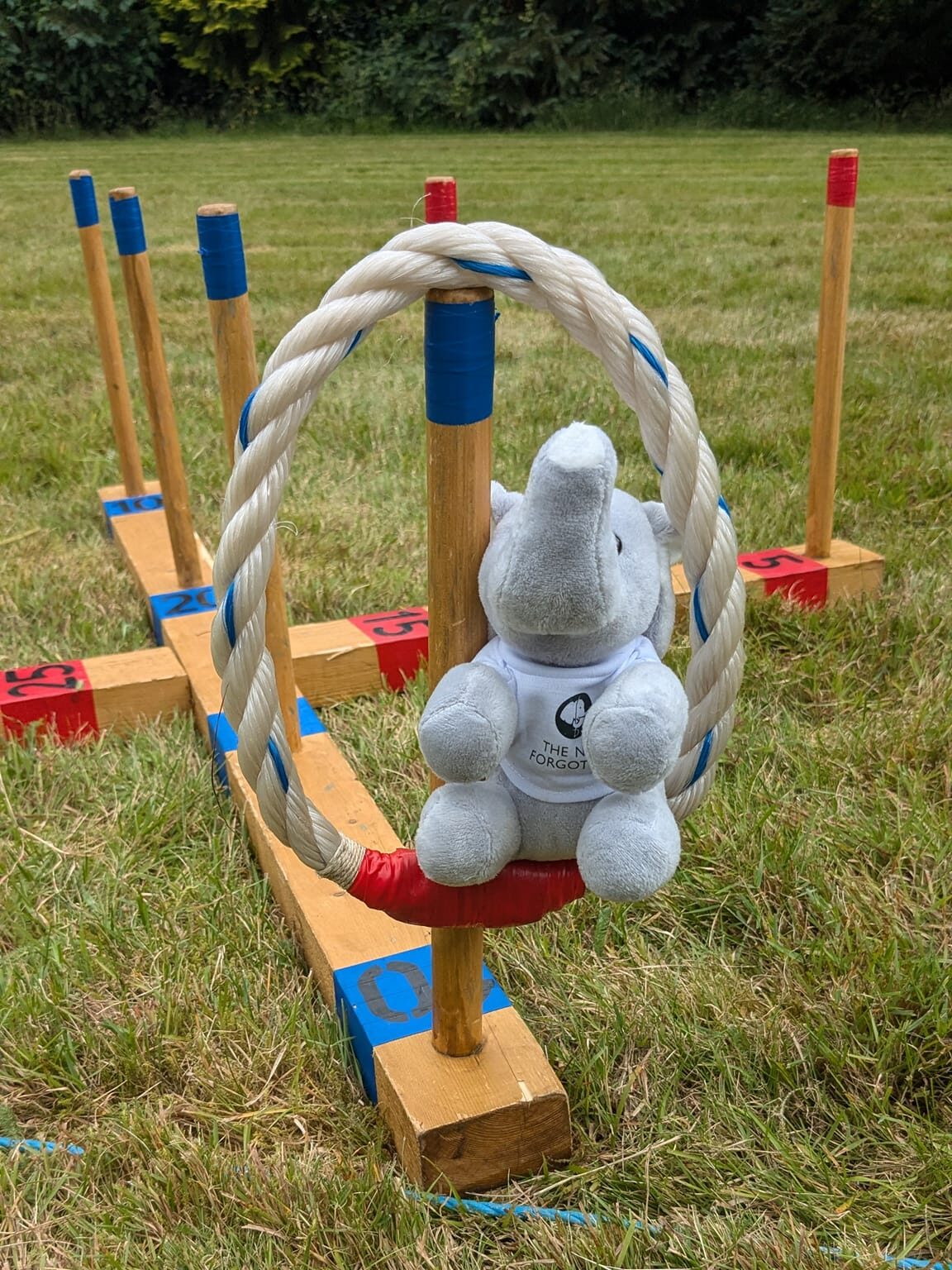
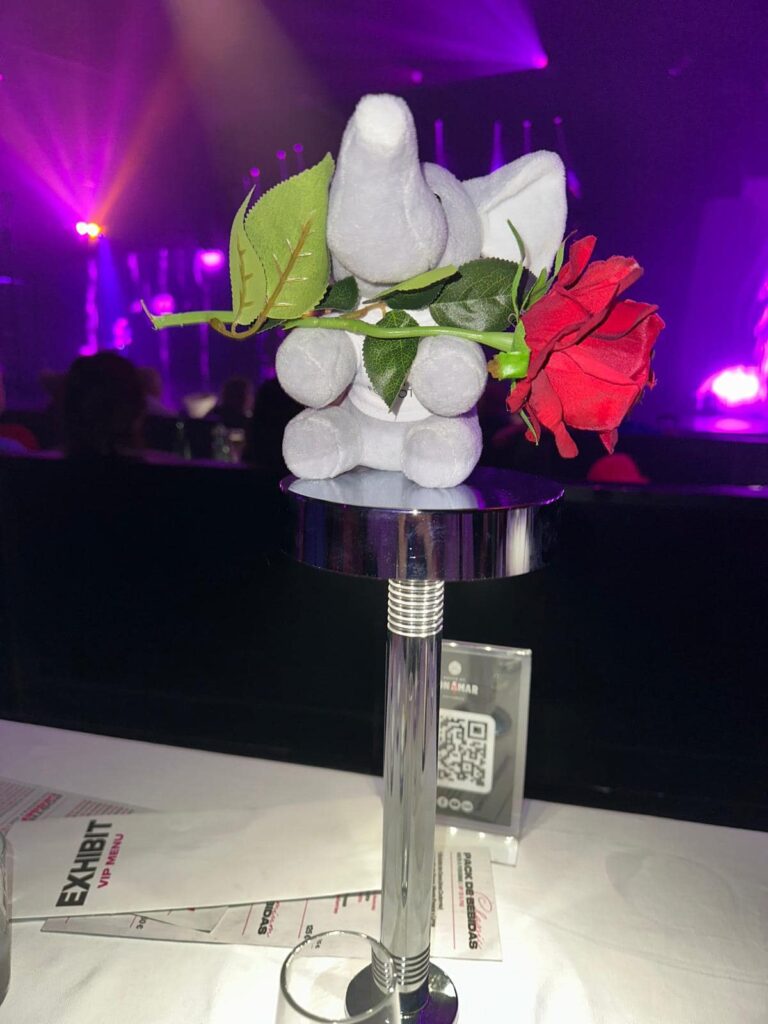
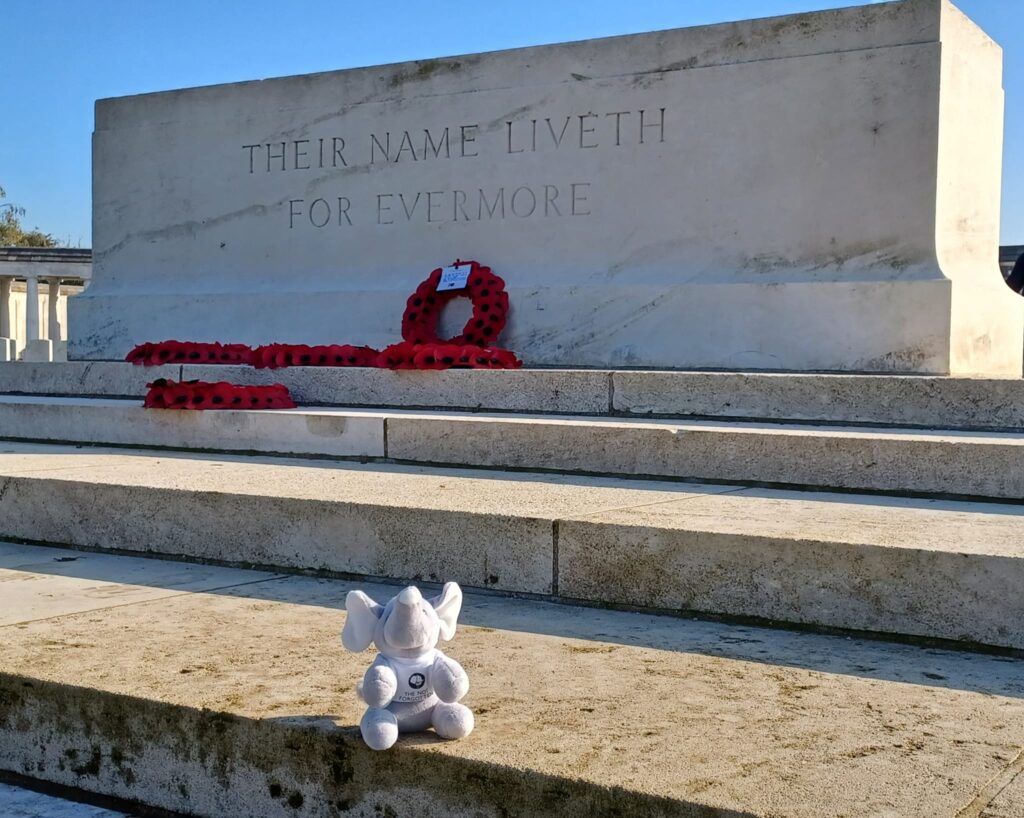
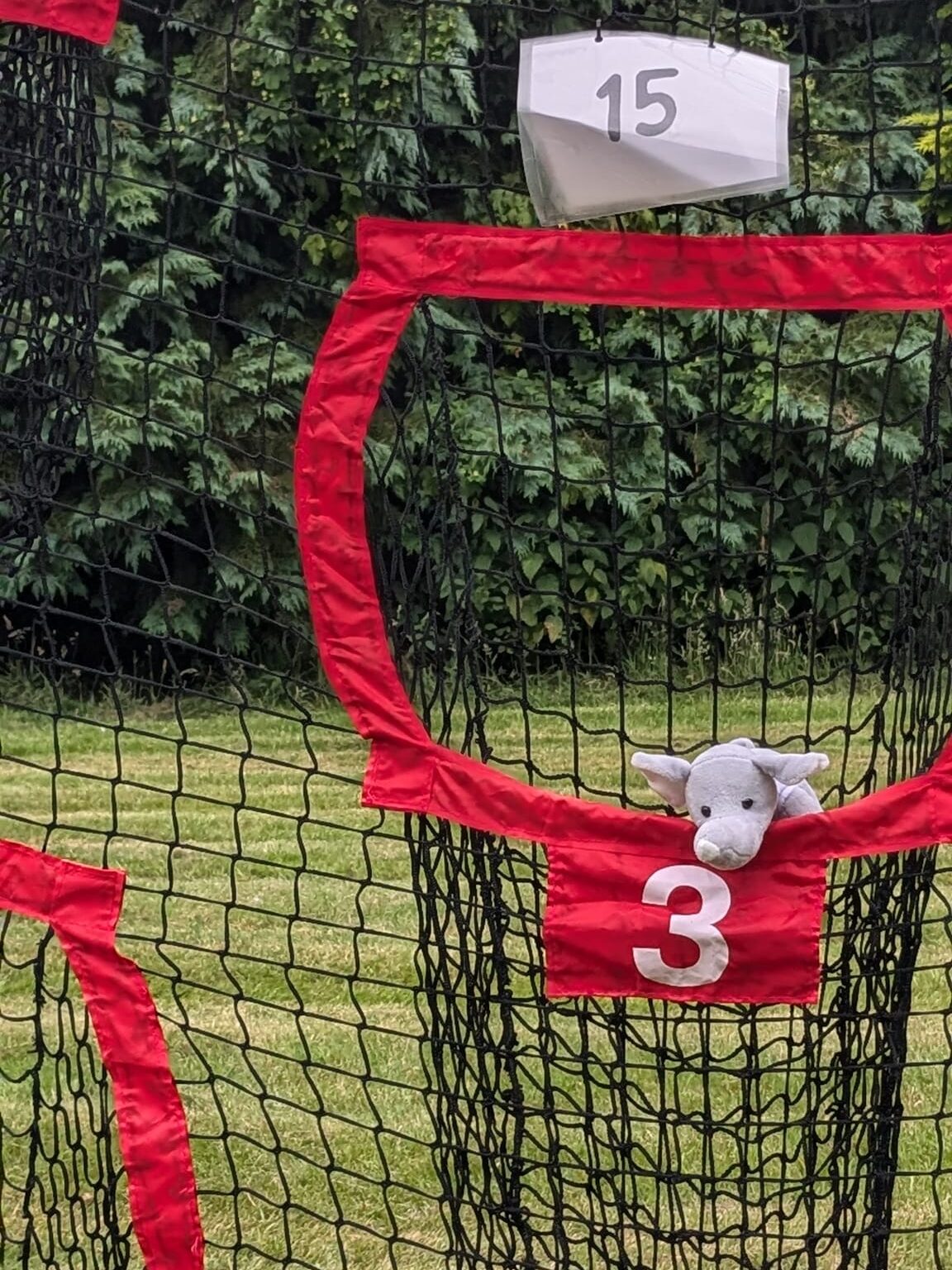
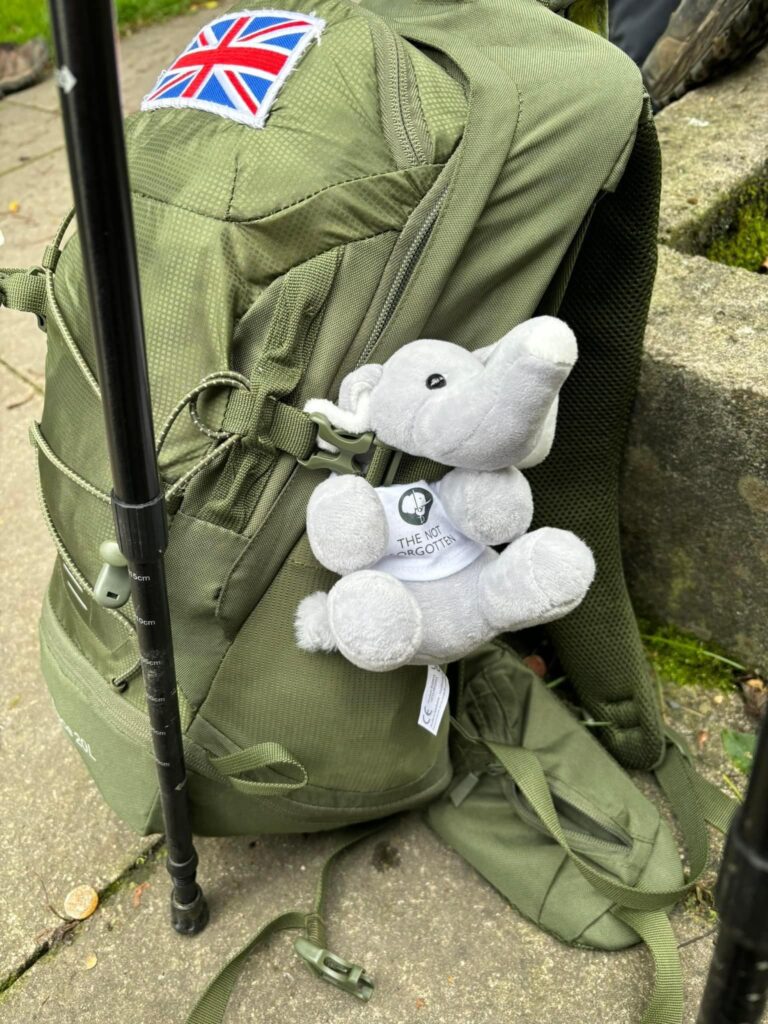
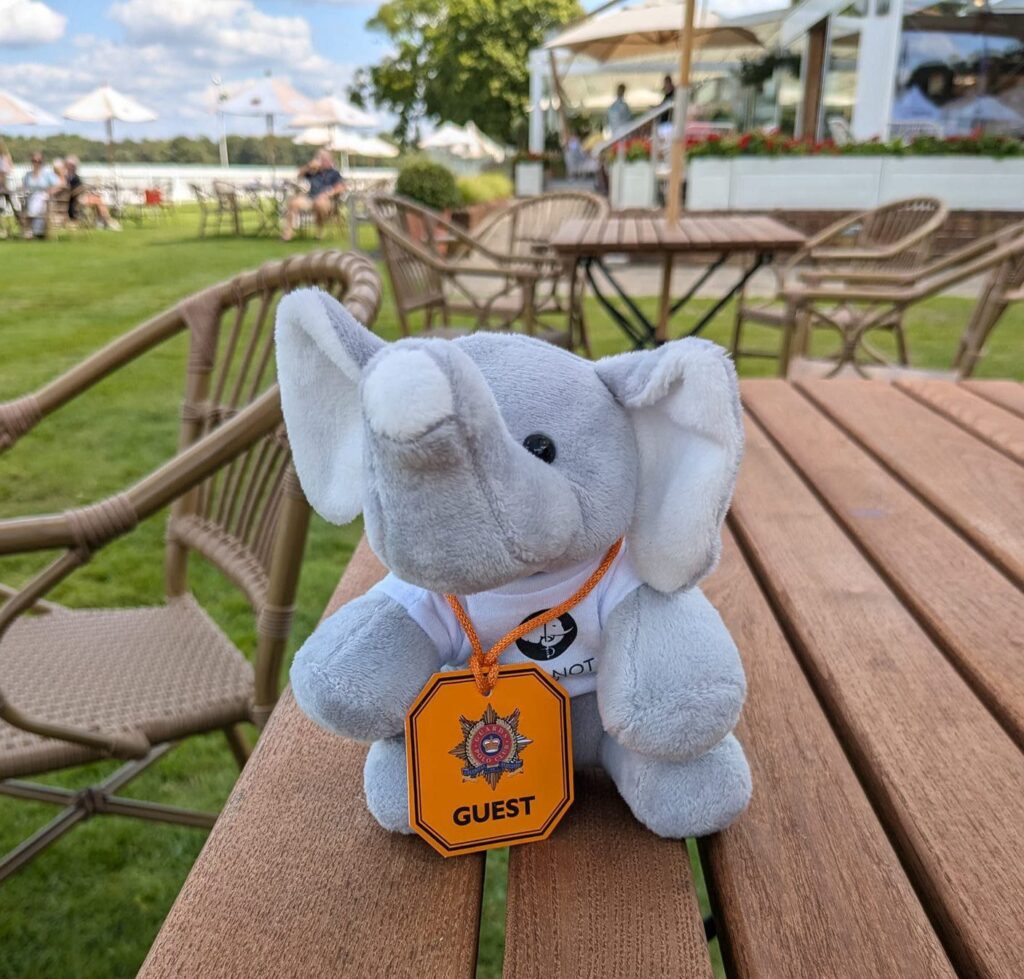
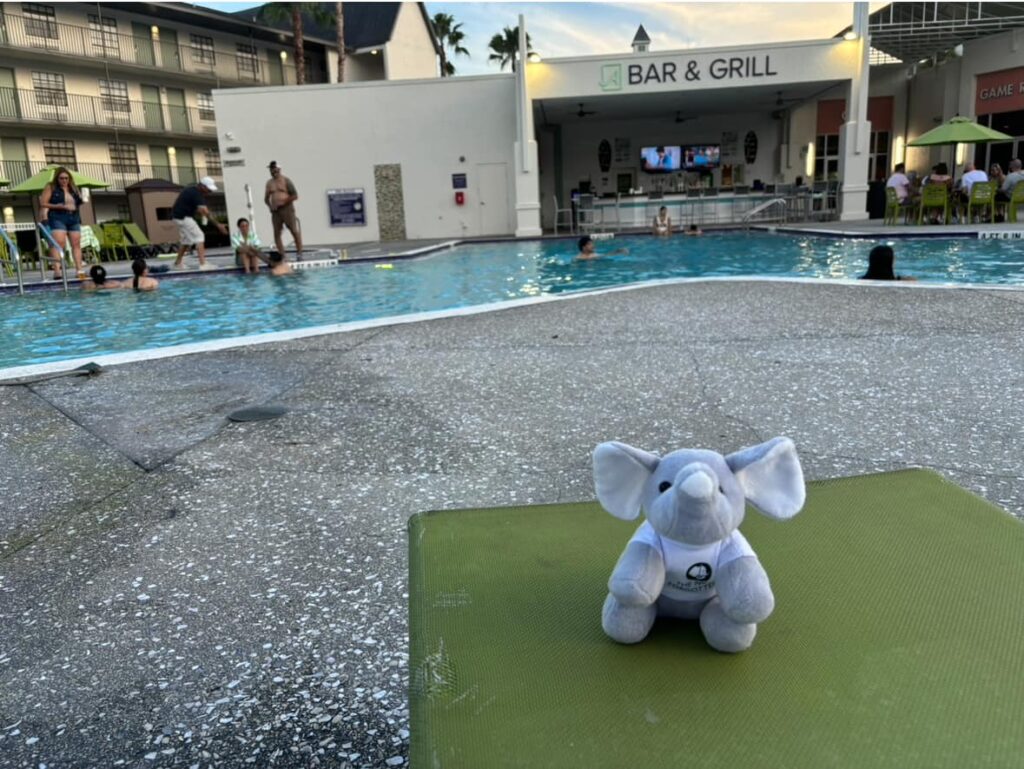
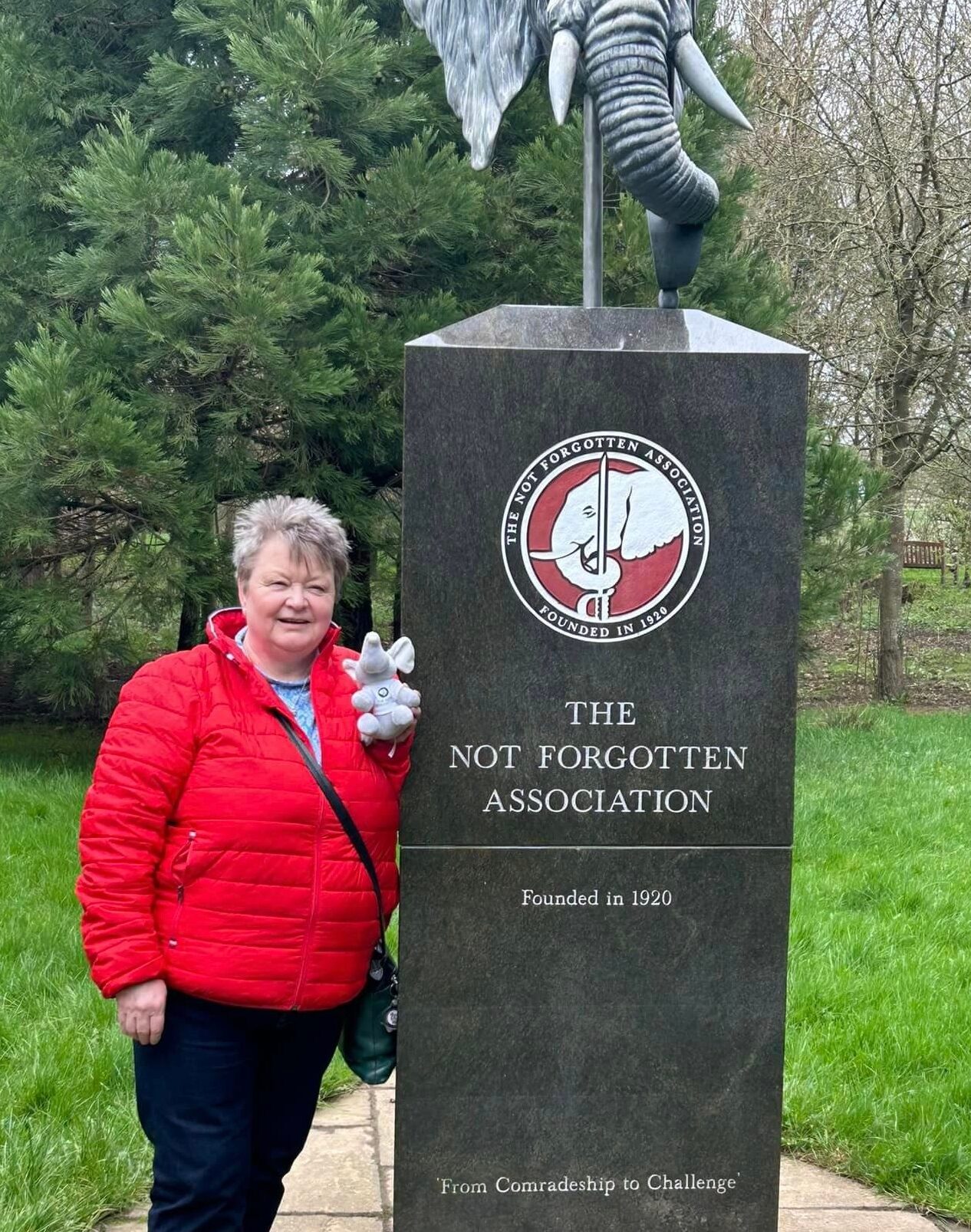
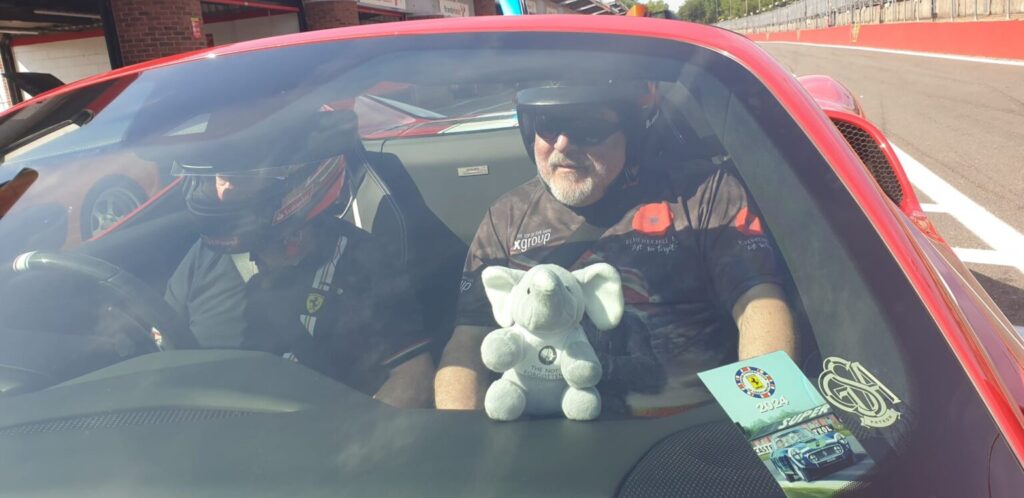

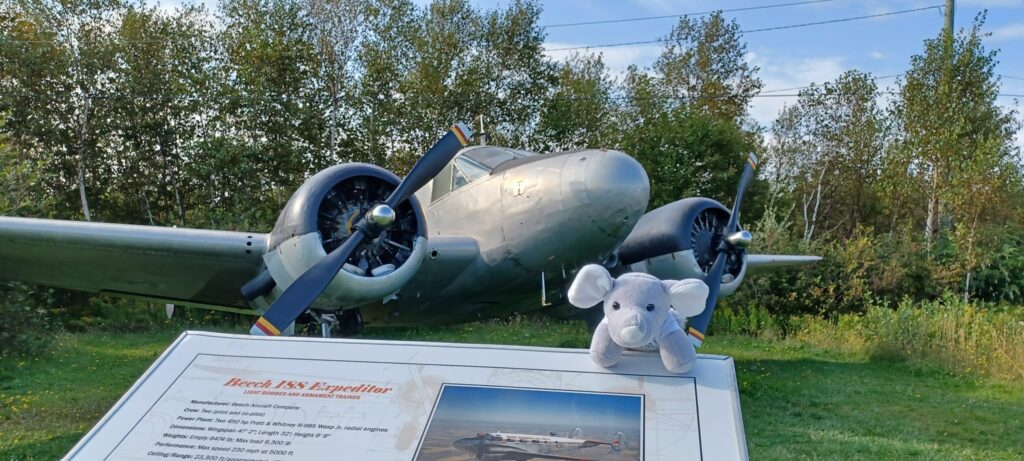
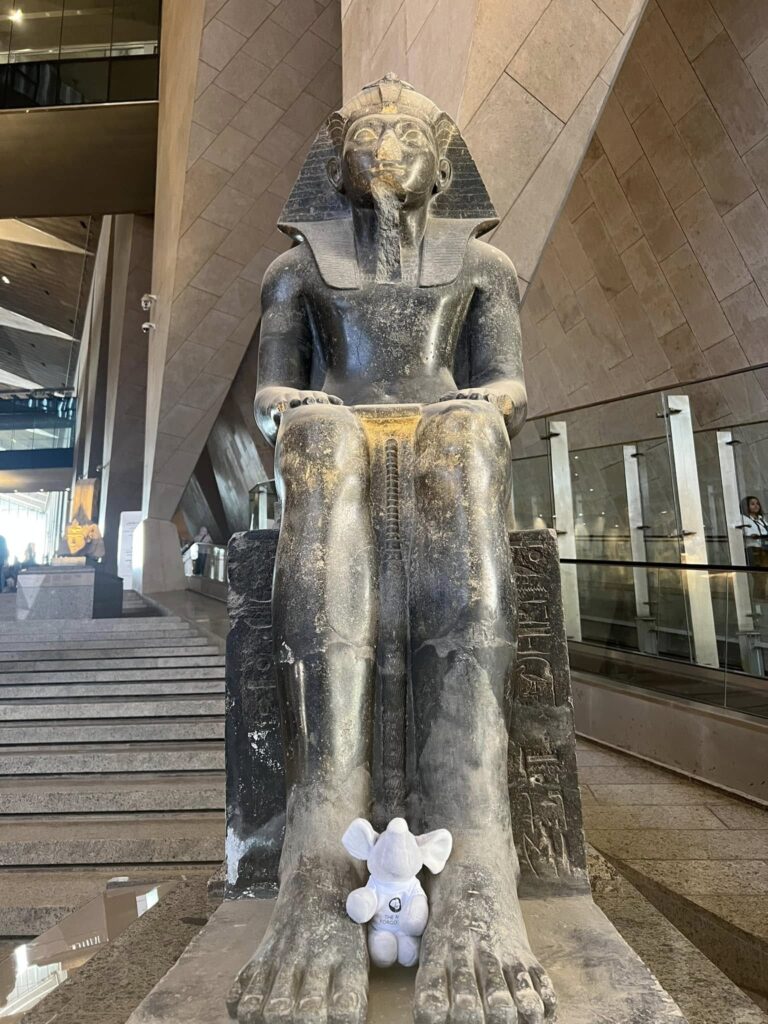
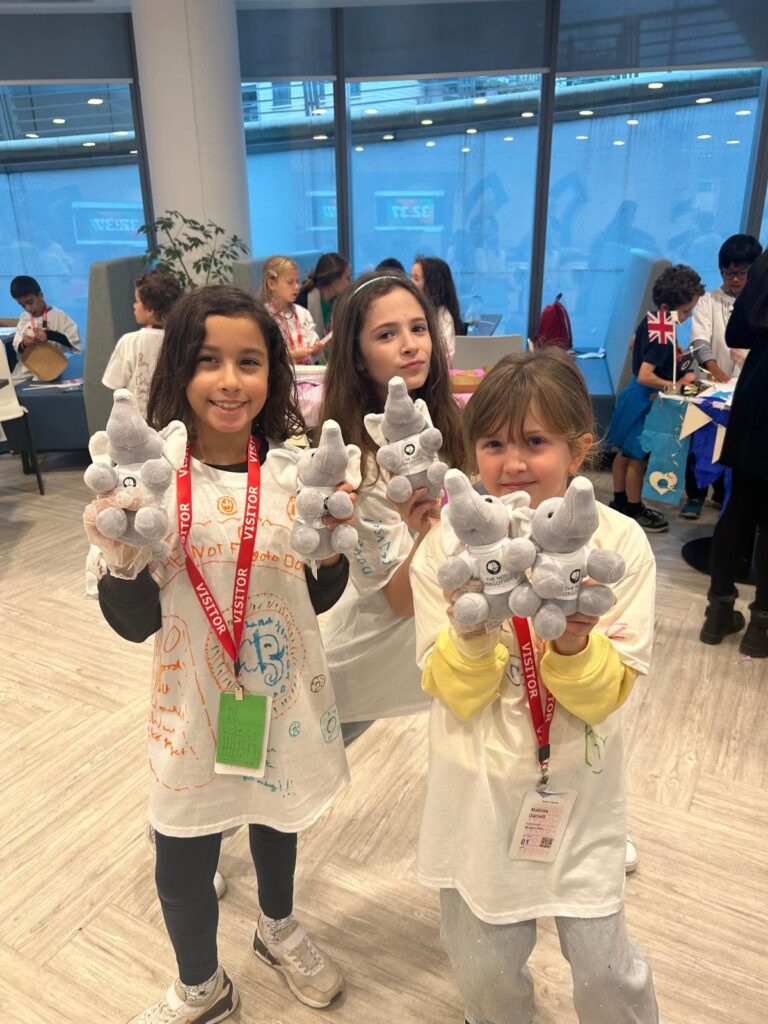
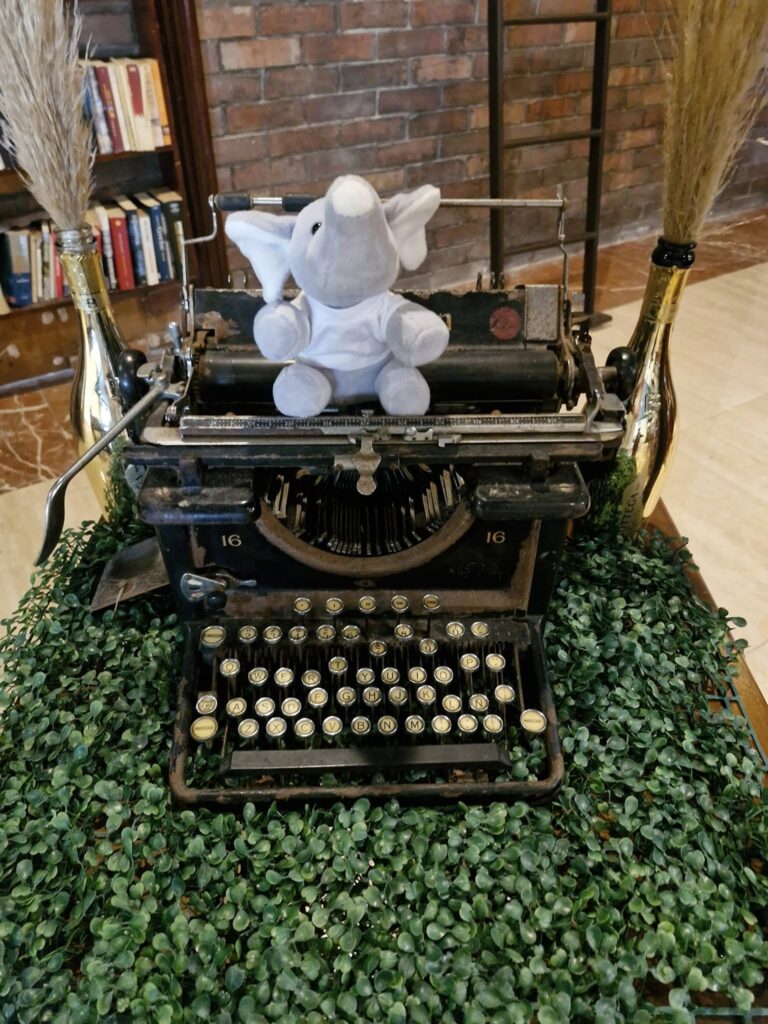
He's been hobnobbing with everyone from EasyJet pilots to polo players, cabaret performers to Paddington Bear, dogs, teddies, Mickey and Minnie Mouse, and some slightly creepy mannequins...
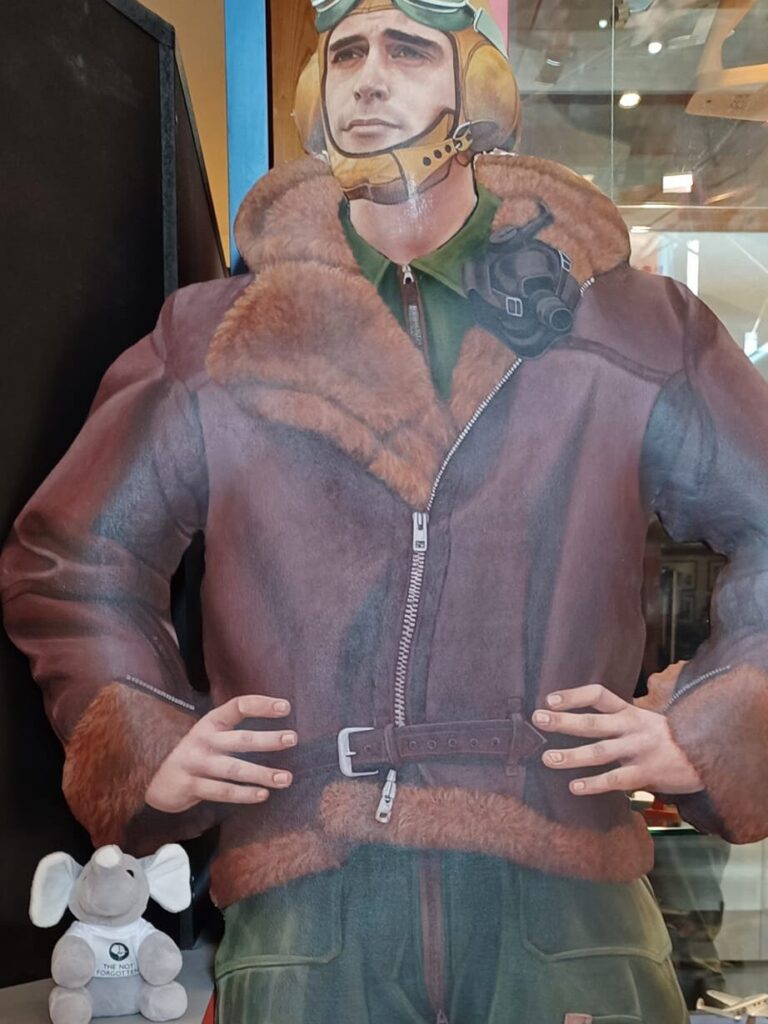
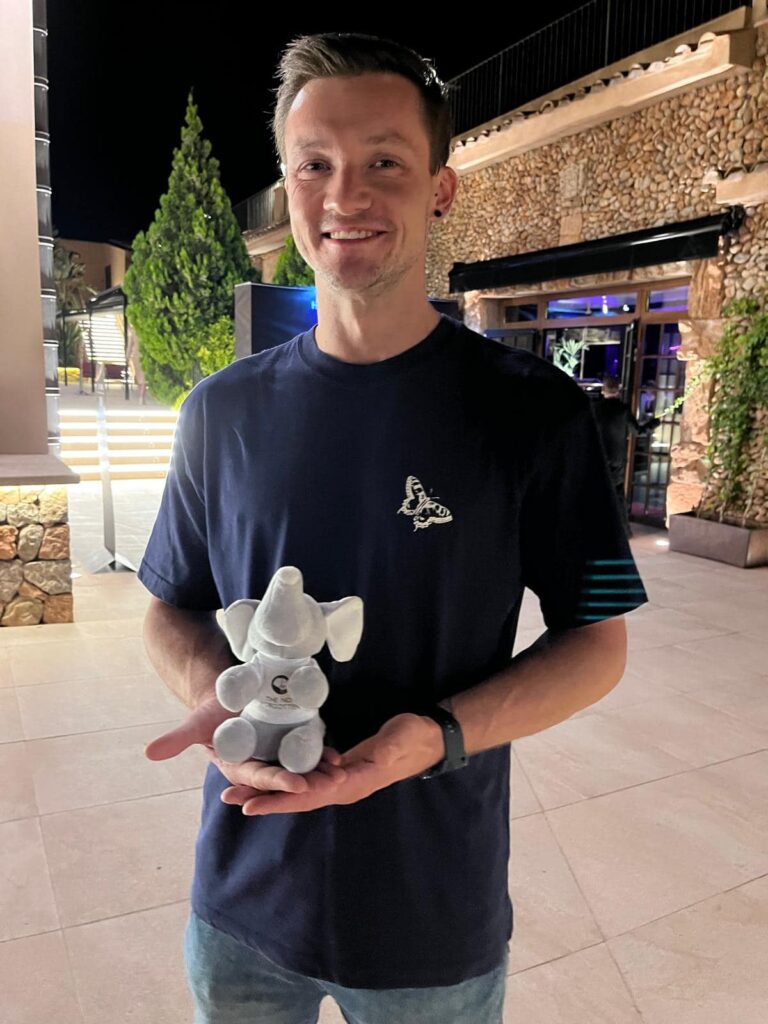
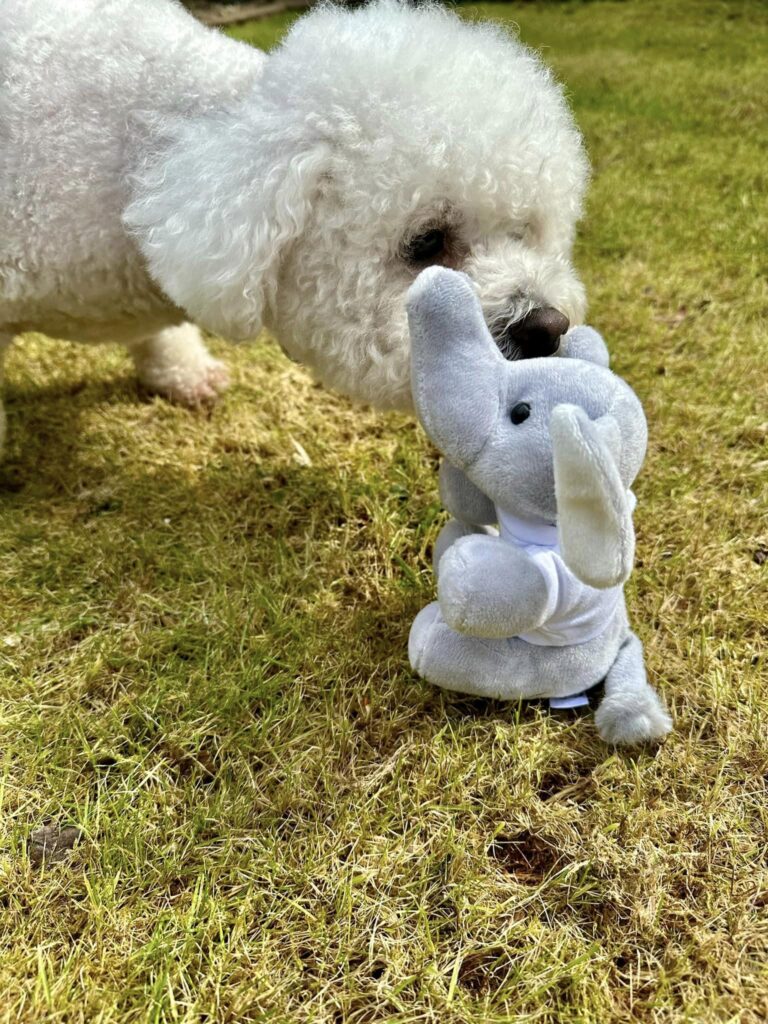
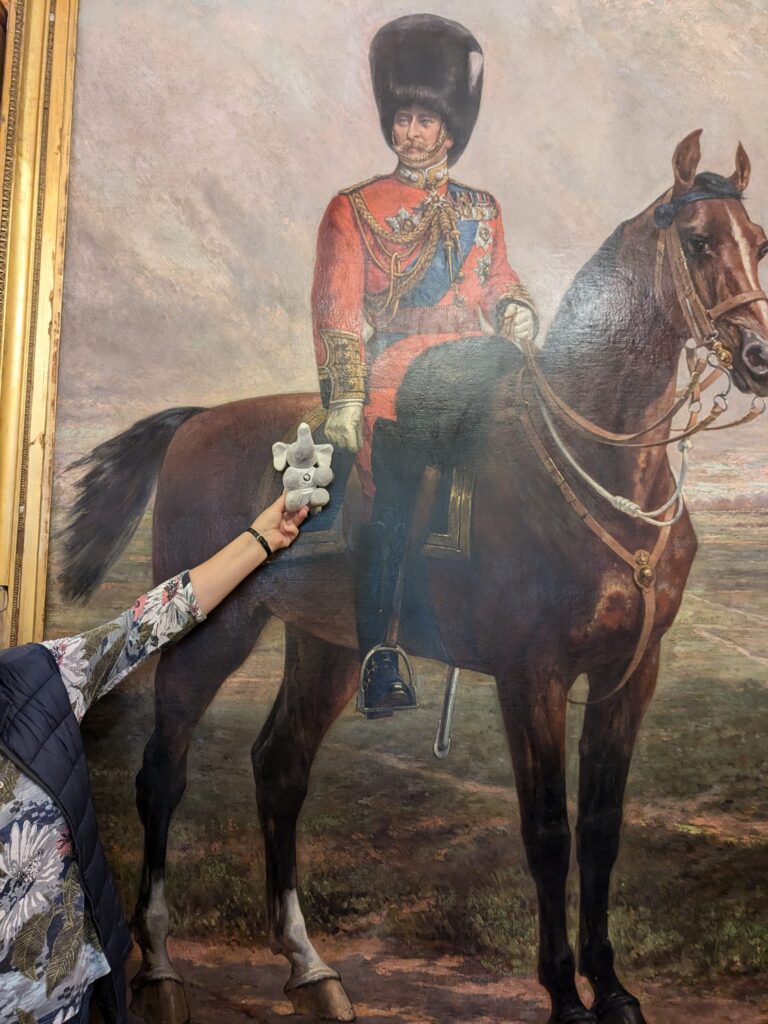
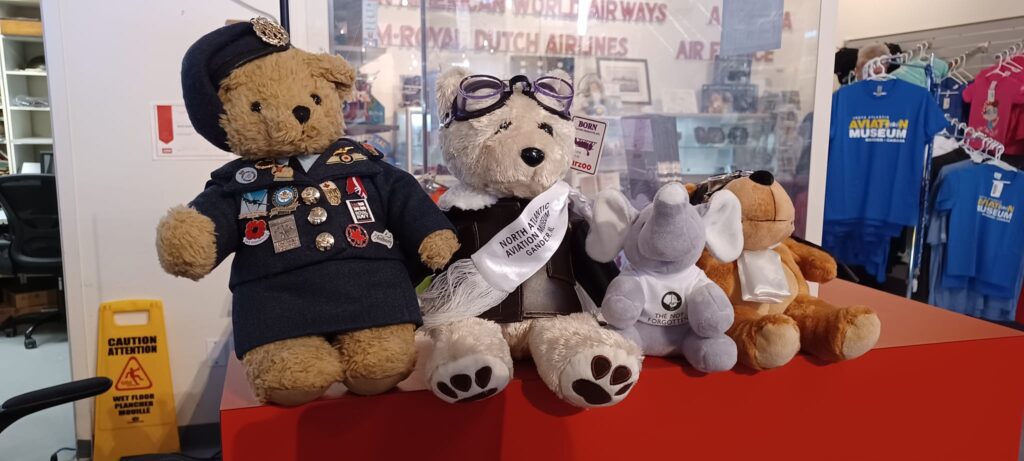

And he also seems to have indulged in plenty of eating and (even more) drinking, enjoying the culinary delights of the world...
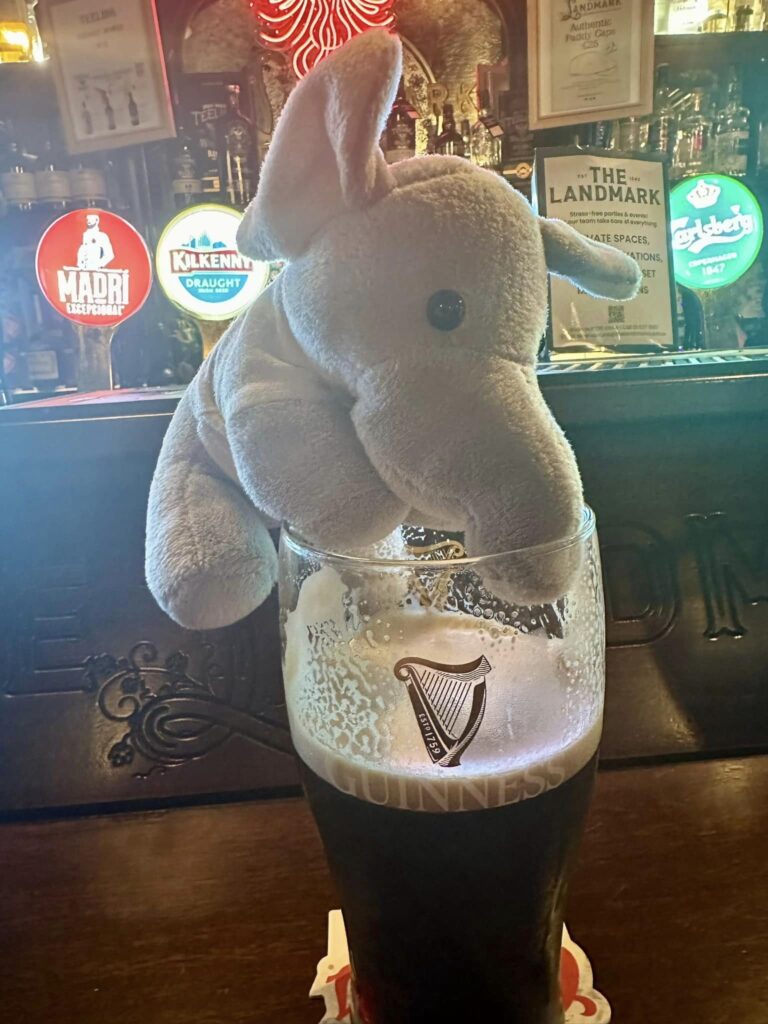
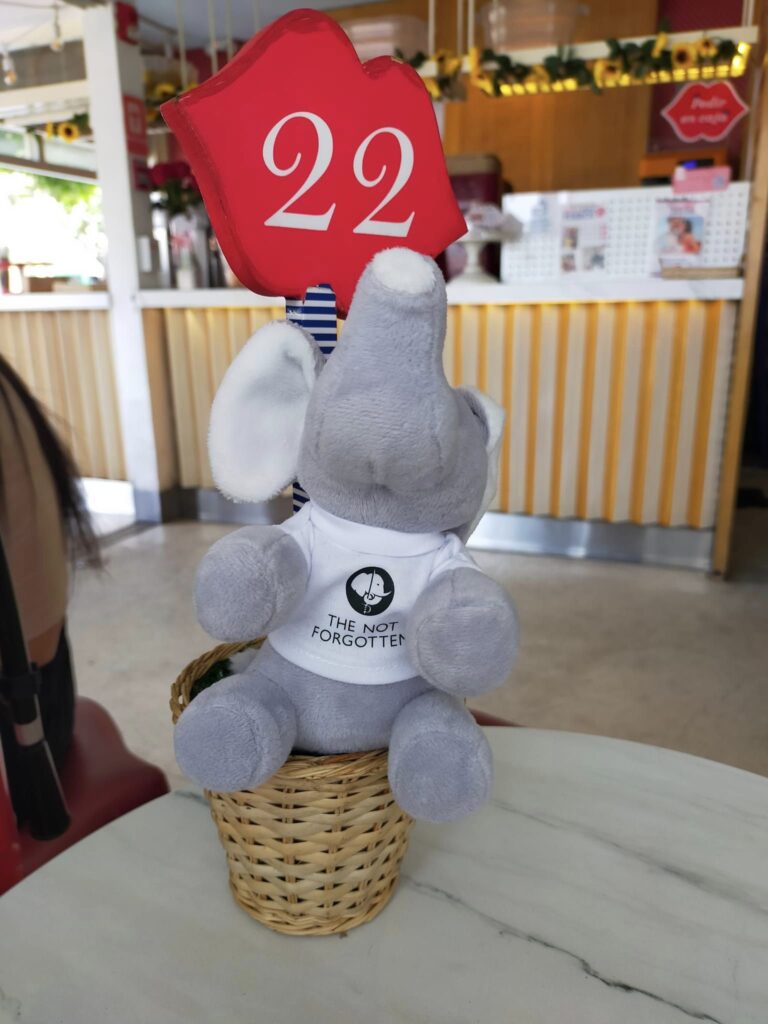
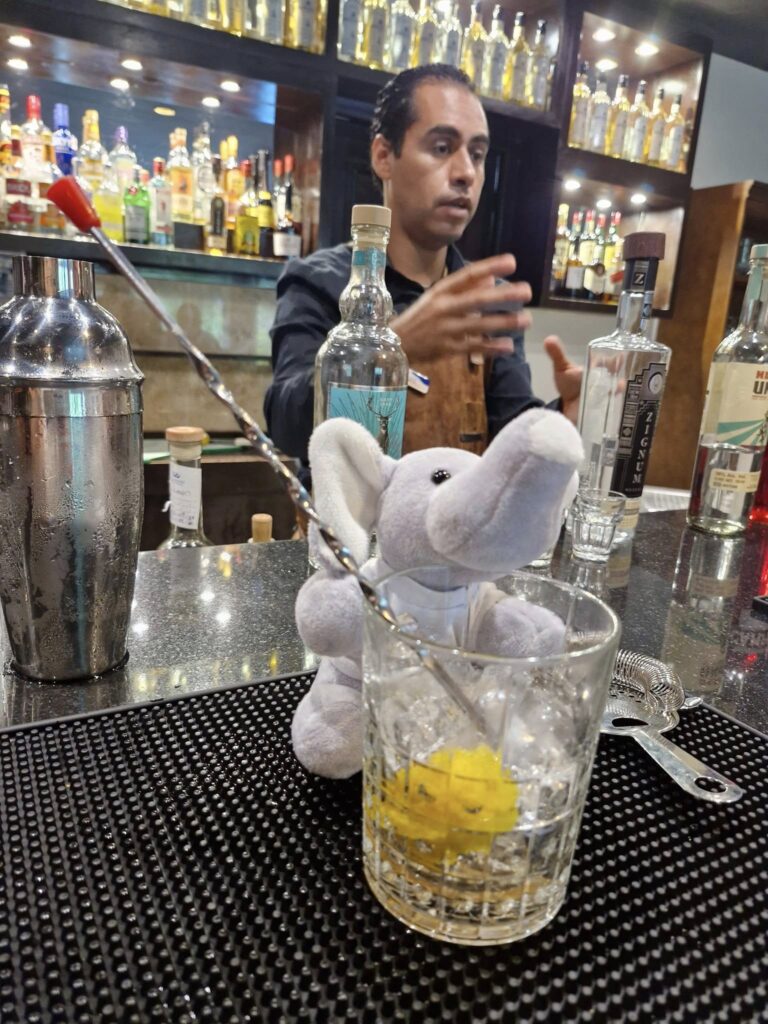
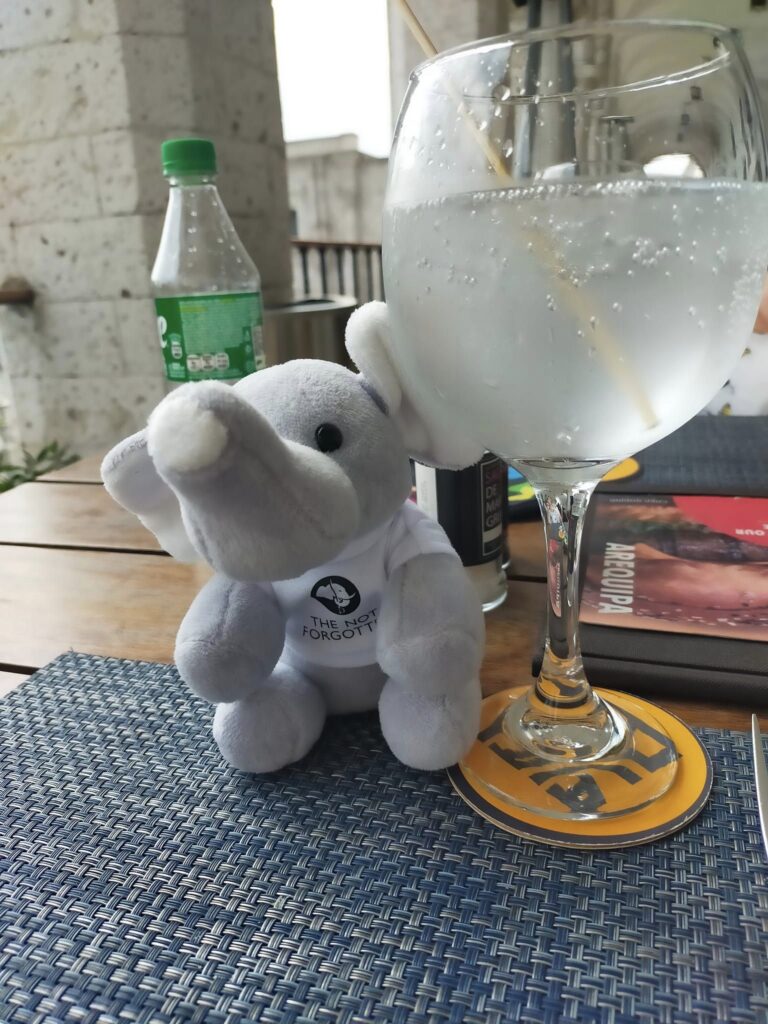
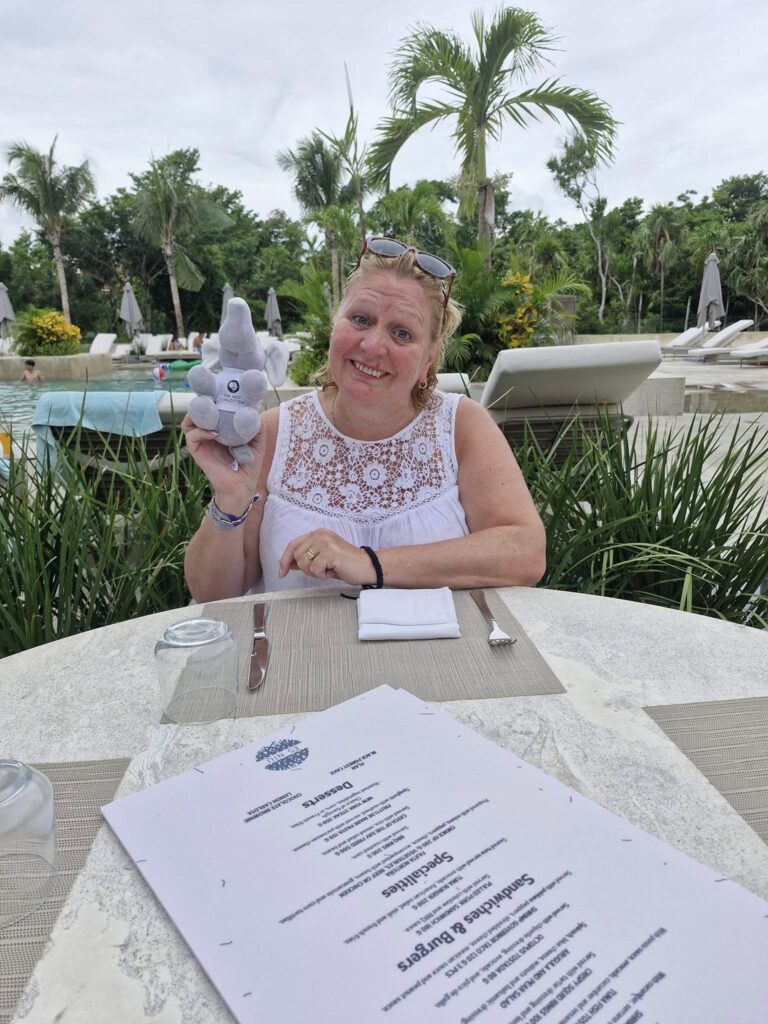
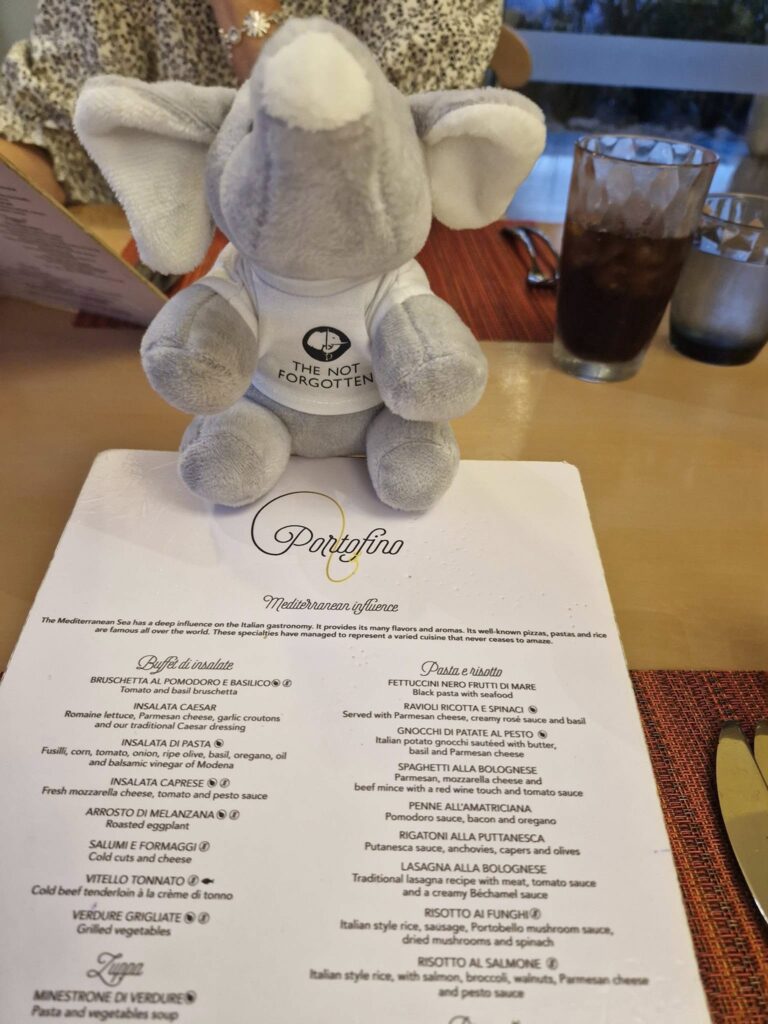
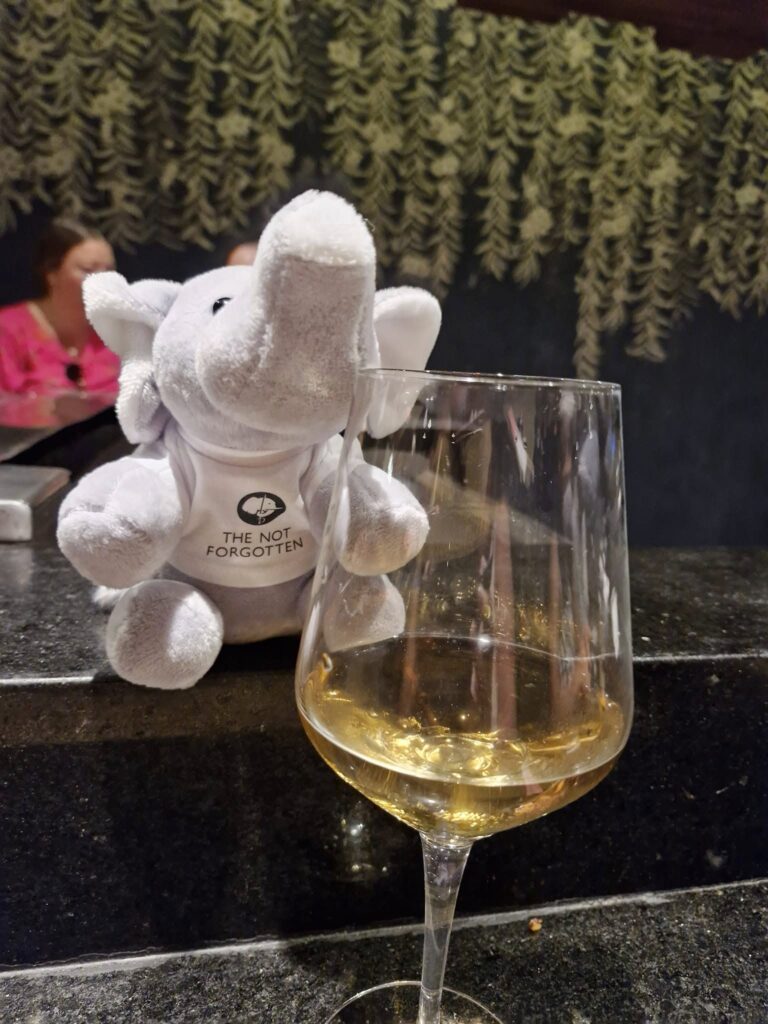
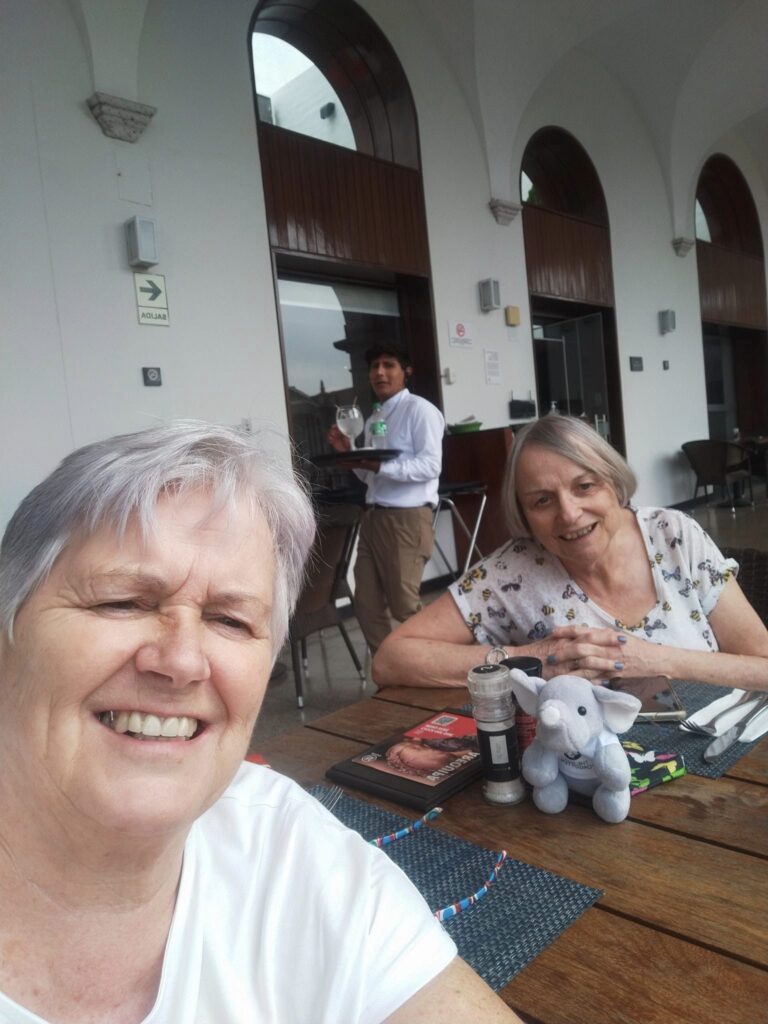
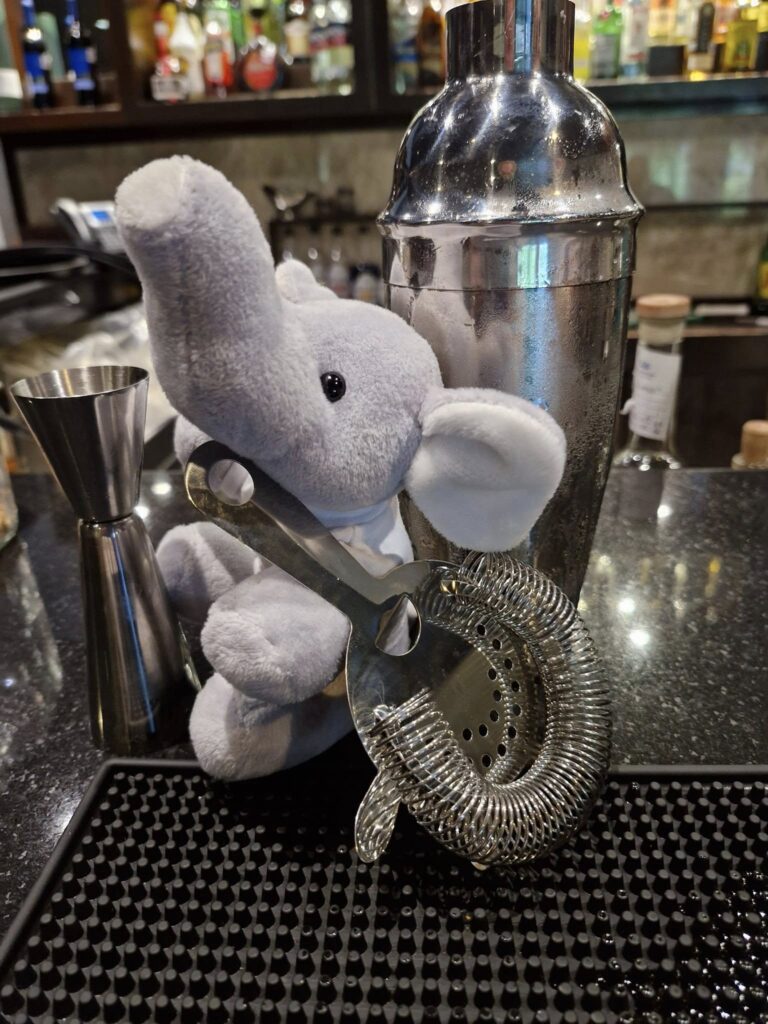
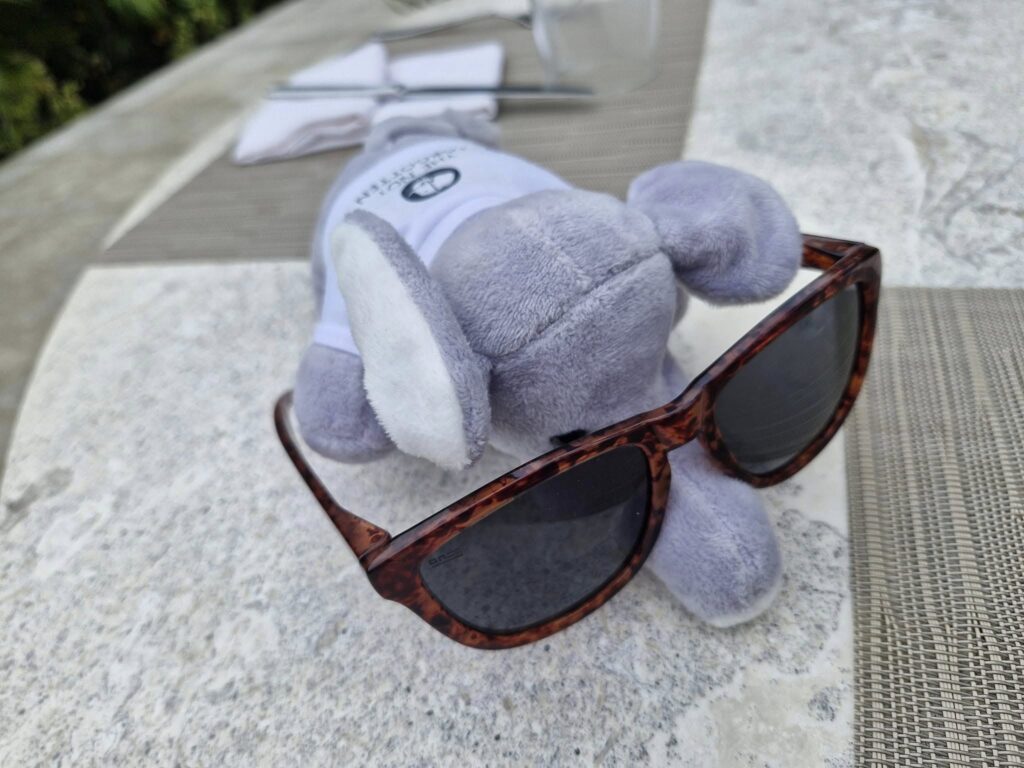
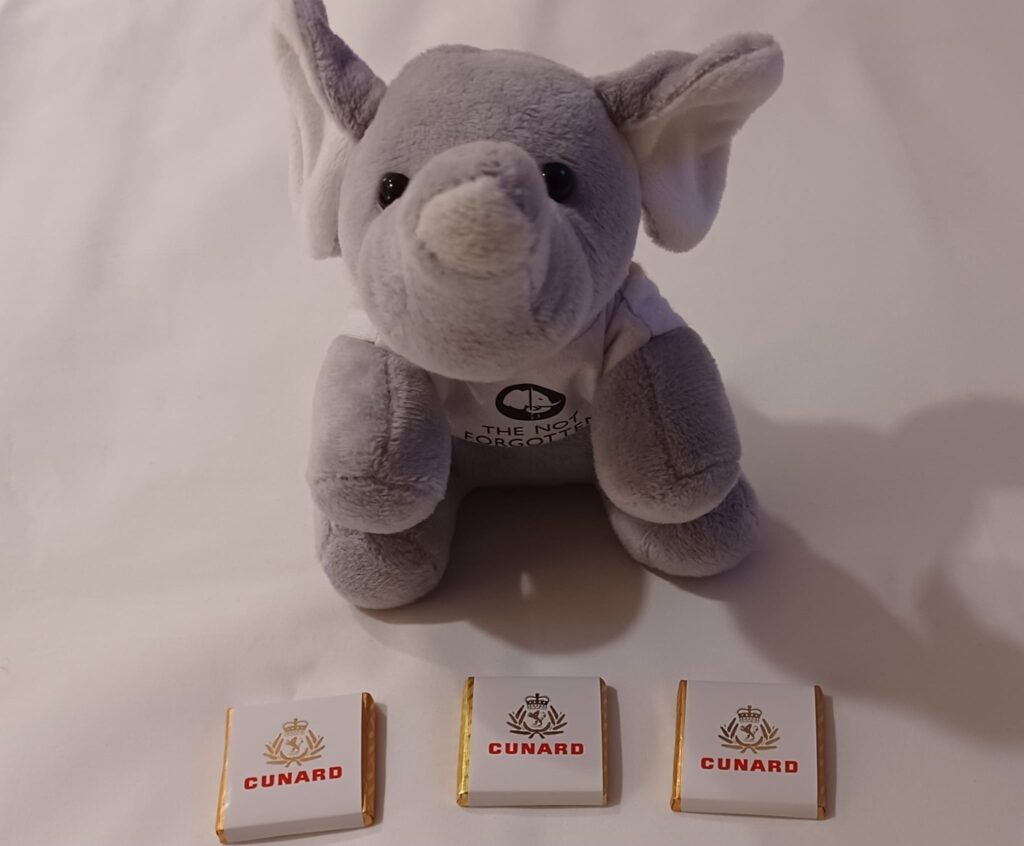
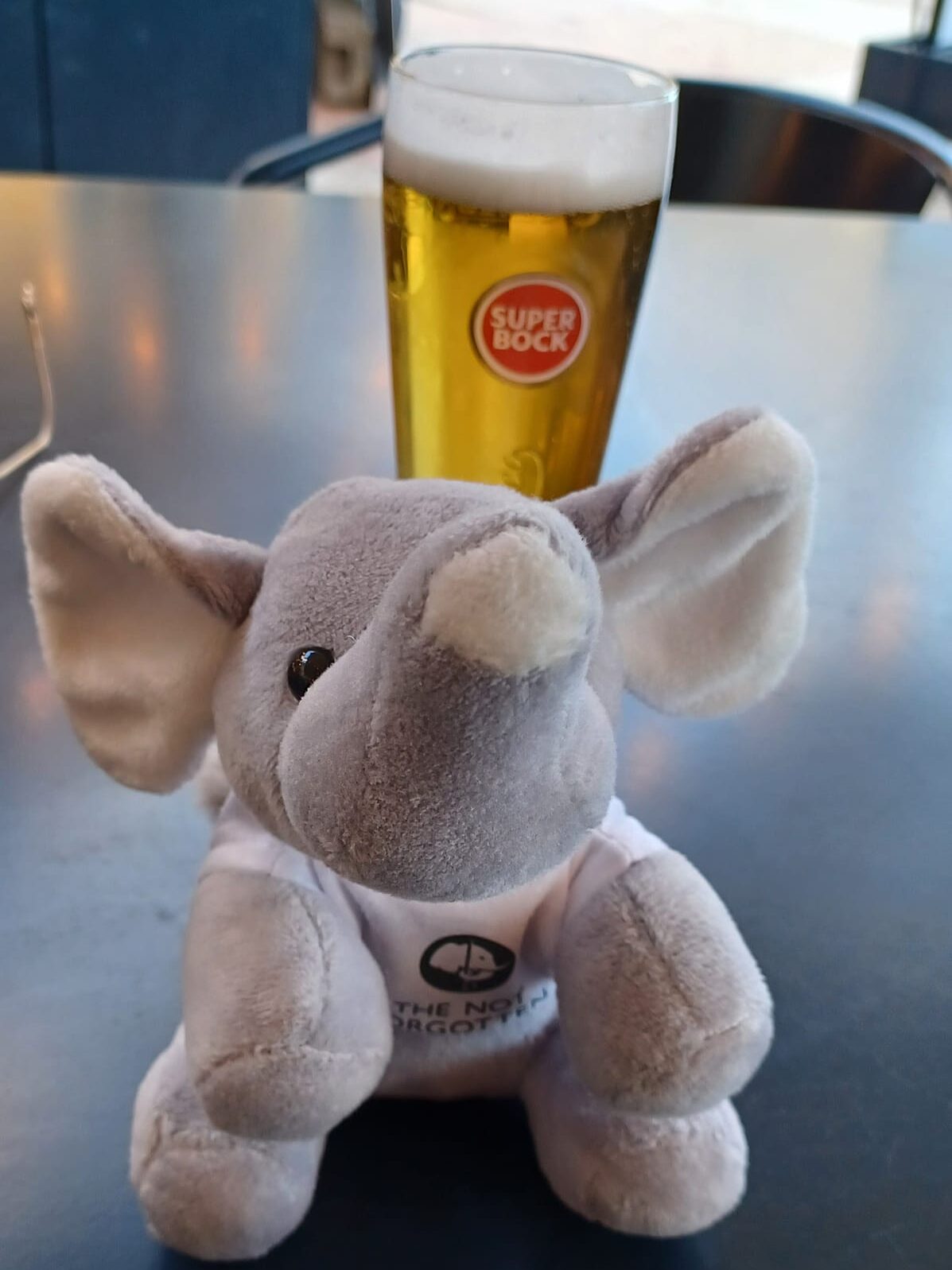
We couldn't even fit all the photos on here! See even more of Juno on his travels in his holiday album.
The competition for photos of Juno on his travels is open until Easter (20th April 2025) after which we will announce the winning photo and send out a small prize. Please keep uploading your photos to social media and tagging us in them as we love each and every one of them!
If you don't yet have your own Juno, you can head over to our online shop and buy him here: https://nfa.geigershops.co.uk/NFA/p-NFA177
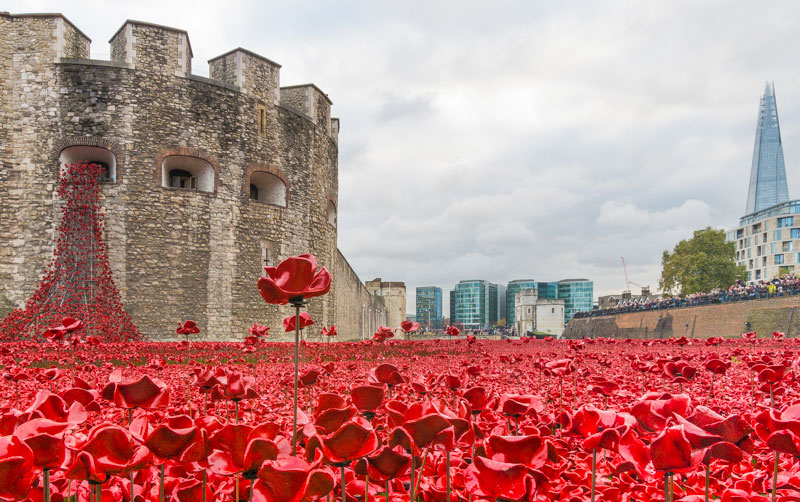
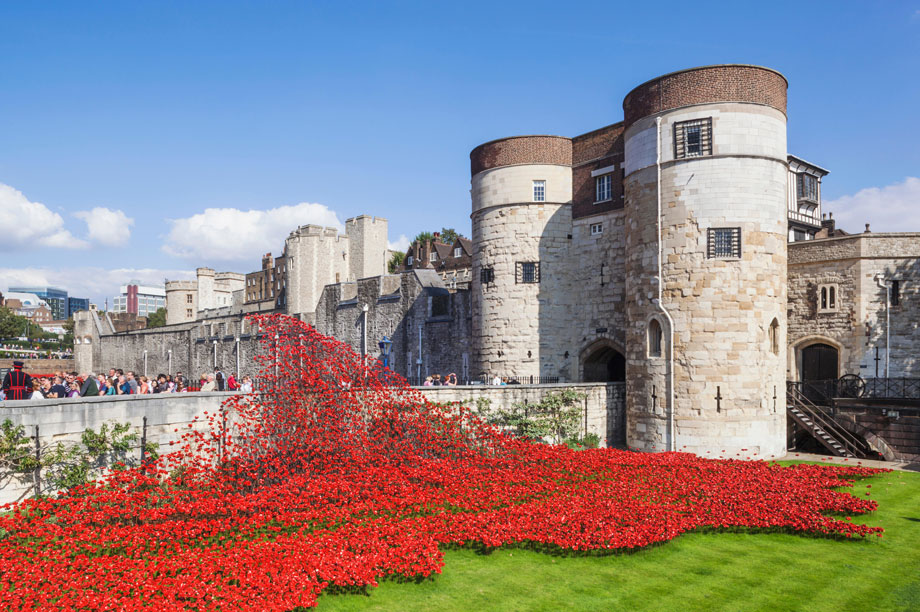
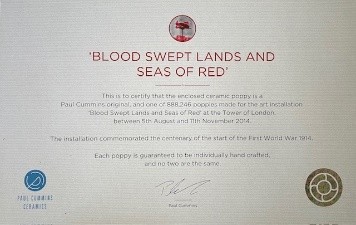
One of our beneficiaries, WRAF veteran Suzanne Groarke-Oliver, is marking her 60th birthday this year by running an online prize draw to win one of the original ceramic poppies created for the 'Blood Swept Lands and Seas of Red’ installation by Paul Cummins at the Tower of London commemorating the centenary of the start of the First World War.
The poppy is one of the 888,246 poppies forming the powerful artwork created by Paul Cummins in November 2014.
To win the poppy, you can enter by making a minimum payment of £5 via this Just Giving link: www.justgiving.com/page/suzanne-groarke-oliver-1
Please use a reference of your surname or full name with your donation- and please DO NOT add gift aid to your donation as this IS NOT allowable for draws of this nature.
Following your donation, send a message or email to Suzanne and she will reply to confirm you are in the draw and send your unique draw number(s).
• On Facebook Messenger – Suzanne Groarke Oliver
• Or, via email: Suzanne.groarkeoliver@gmail.com
Multiples of £5 will equate to multiple entries to the draw.
The draw will take place on Monday 30th June to coincide with Armed Forces Day.
We will do the draw at The Not Forgotten office in London. We will record it live to share and after notifying the winner, we will publish the winner’s name on all sites where the draw is advertised. The poppy will be sent to the winner via ‘special delivery’ or delivered by hand, dependant on distance.
Note – all records for the draw regarding monies received either via Just Giving or direct to Suzanne will be overseen by Sarah Adams, Fundraising Co-ordinator at TNF – if you have any queries contact sarah@thenotforgotten.org.
Please share the prize draw far and wide to get as many entries as possible and raise as much money as possible to support our beneficiaries....
ALL proceeds raised from the draw will go to The Not Forgotten.

The D-Day landings of 6th June 1944 formed the largest seaborne invasion in history. Along with the associated airborne operations, it marked the beginning of the liberation of France and western Europe and the end of World War Two.
On 5th and 6th June 2024, 80 years on from that momentous day, a series of major commemorations are planned to take place in the UK and France to honour the brave personnel who risked their lives on D-Day for freedom and peace.
The Not Forgotten’s commemoration is D-Day 80 for 80, encompassing an epic one-day 80-mile bike ride around D-Day sites of the south coast of England, PLUS a whole range of community commemorations designed to reflect on D-Day, remember the brave men and women involved, and bring out the best in community, camaraderie and conversation.

The D-Day 80 for 80 Bike Ride - Thursday 6th June
A one-day 80-mile bike ride involving 8 veterans and 8 serving personnel, marking this momentous anniversary, highlighting sites of great importance to D-Day Allied preparations, tying in with national commemorative events, and fundraising for The Not Forgotten.
Team 80 for 80 will:
 Sponsor the cycle ride here


But '80 for 80' is about far more than one cycle ride.
We’re calling on our whole Not Forgotten community to come up with their own ideas for marking 80 years in 80 ways, bringing family, friends and communities together to mark the 80th anniversary of D-Day.
Some 80 for 80 commemorations might raise money, but others will be about community, camaraderie and conversation. Reflecting on D-Day and taking a moment to celebrate the freedoms of our daily life won for us by the brave men and women who took part in Operation Overlord.
For those who like a challenge, why not walk, run, row, cycle, or work out at the gym for 80 minutes between now and 6th June. Ask for a £1 donation per minute of activity!
For a less physical option why not bake and sell 80 cakes, or knit 80 stitches a day and sell what you make...
Ask family and friends to head into the attic or shed and collect 80 items for a Not Forgotten car boot sale.
Hold a Not Forgotten fundraising quiz with 80 questions
Get out the Karaoke machine, go busking or join your choir and sing 80 songs between now and D Day. Ask people to choose songs and donate for each song sung!
Ask 80 family friends, Facebook or Linked In contacts to make a donation of £1

Don't forget to let us know what you are planning - email fundraising@thenotforgotten.org - and tag us in photos of you in action!
You can set up a Fundraising page on JustGiving to link to our 'umbrella' TNF page for the whole 80 for 80 commemoration - https://www.justgiving.com/cam.../thenotforgotten80for80dday
For any questions or help with fundraising email fundraising@thenotforgotten.org
#DDay80for80 #DDay80
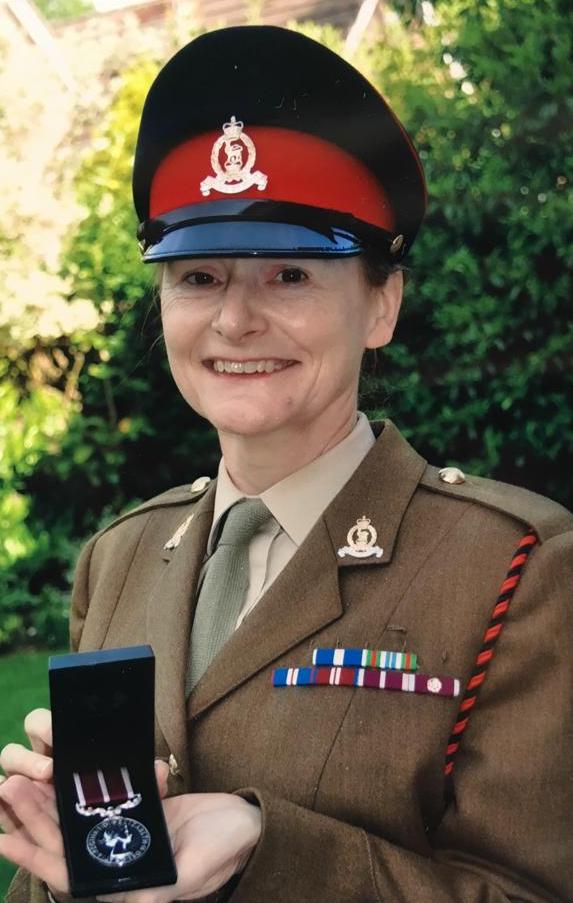
Suzanne Cumberland (better known as Suzie) served in the Army Adjutant General Corps (AGC) for 30 years, deploying all over the world to Naples, Lille, Oman, Kosovo, Germany, the Falklands and Ascension Island, and Sierra Leone.
She has had the most wonderful experiences in places she would never have imagined going and for the most part relished every challenge she faced – although with her fair share of trauma along the way.
As a single woman serving for three decades across varied postings Suzie has a fascinating perspective on how the role of women has changed in the Army over the past few decades; the widespread improvements as well as the challenges.
She tells us her story.
I was working as a postie when I joined the TA in 1989 (to get additional paid leave and time away from work!) then in 1993 I decided to join the Regular Army for a few years – thinking I’d be back at the Post Office soon… There was a lot happening in the world at that time: the Troubles in Northern Ireland, the first Gulf War, the war in the Balkans just kicking off. I wanted to do something that was 'serving my country', as my dad, granddad and great-grandad had all done.”
Suzie joined the AGC as it had “one of the shorter waiting lists” and trained as a Military Clerk – a role she was destined to spend her whole career in after a training accident: “I had to undergo several operations on my leg, which meant I wouldn't be able to reach the required fitness standards if I transferred.”
“But although I remained a clerk, my career has taken a long and winding – and fascinating - road. With a very real sense of achievement.”
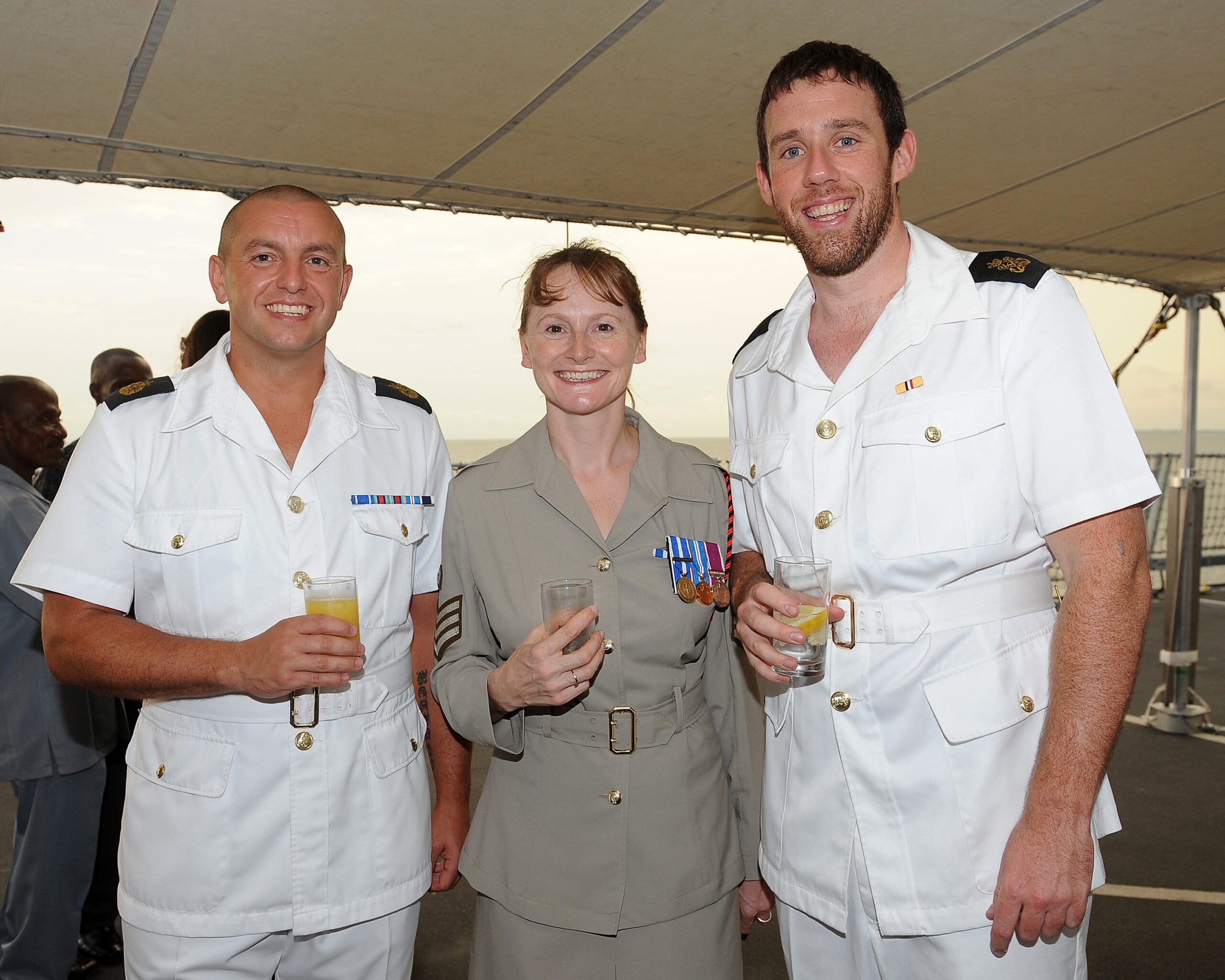
One of Suzie’s early tours was to Kosovo as hospital clerk. “I saw some horrendous things there. I went as a clerk but before I knew it there was a mass casualty incident and I was put in A&E, seeing people badly injured and labelling body parts from dead bodies. And of course, there was no post-trauma counselling then…”
Postings followed as Pay Sergeant to Sandhurst, Desk Admin Sergeant to Naples, and Staff Sergeant to the Falklands and Ascension Island: “The Falkland Islands are a stunning place, and somewhere I never thought I would have the opportunity to visit, let alone spend six months.”
After a tour to Paderborn and a training role at Worthy Down (Winchester) Suzie was offered the role of Assistant to the Defence Adviser (ADA) in Sierra Leone, West Africa – a posting which would shape Suzie’s life and experience in so many ways.
“I had always wanted to be an ADA and I thought it would be an adventure to have the opportunity to live and work in West Africa.” What began as an adventure in a beautiful country with friendly people and interesting experiences (acting as election monitor in presidential elections and dealing with all the logistics of RAF flights and British Navy Ship visits, as well as regular contact directly with the Minister for Defence back in the UK) turned into a nightmare when Ebola struck in early 2014. In the months before international aid arrived Suzie had to visit medical facilities and record fatalities; when aid finally arrived, she found herself taking delivery of the very of the first ambulances and hearses that Sierra Leone had ever had.
“Ebola broke me. It was soul-destroying. People were dying on the streets in front of me. I thought I was going to die myself. All international airlines withdrew from the country; it felt like we were on an island. Ebola is an extremely ferocious disease, and it absolutely decimates families. With a low level of education they didn't know how to cope with the disease. I witnessed some horrific scenes I never want to see again; they will stick with me forever.”
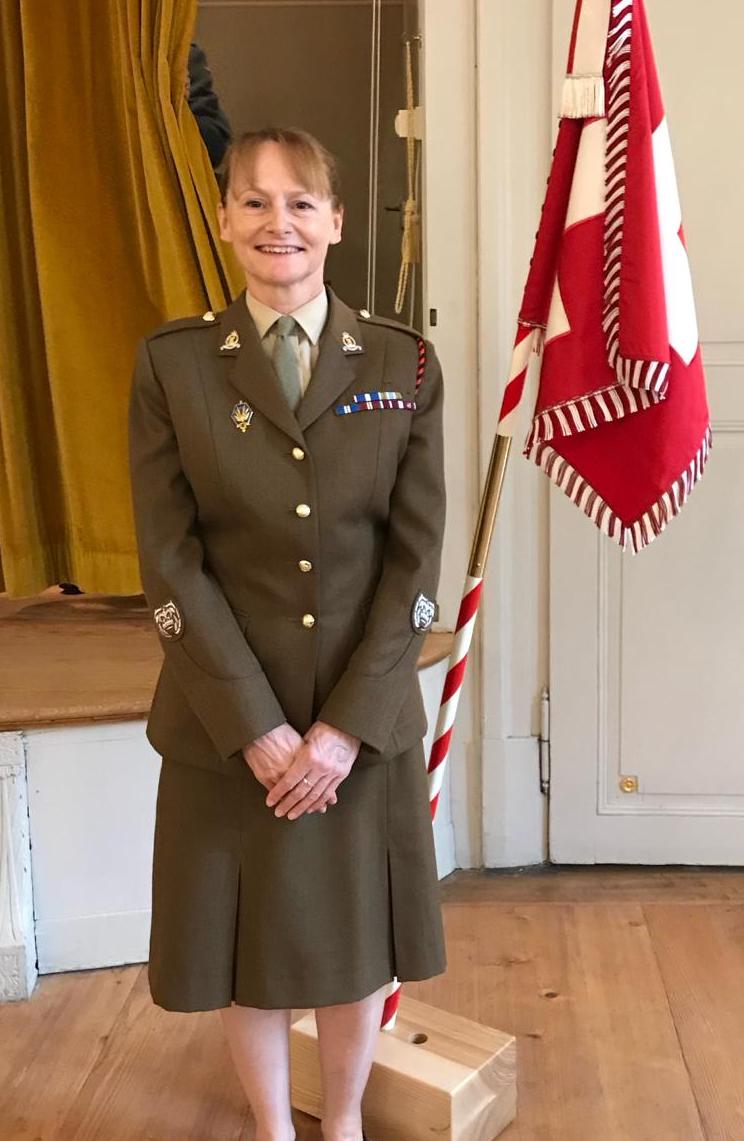
Though amidst the horror Suzie is proud of what she and the rest of the international aid effort was able to achieve in eventually turning the tide on the epidemic. She was awarded the Meritorious Service Medal for her part in the crisis as a key player in establishing Operation GRITROCK. “That was one of my proudest moments of my career”.
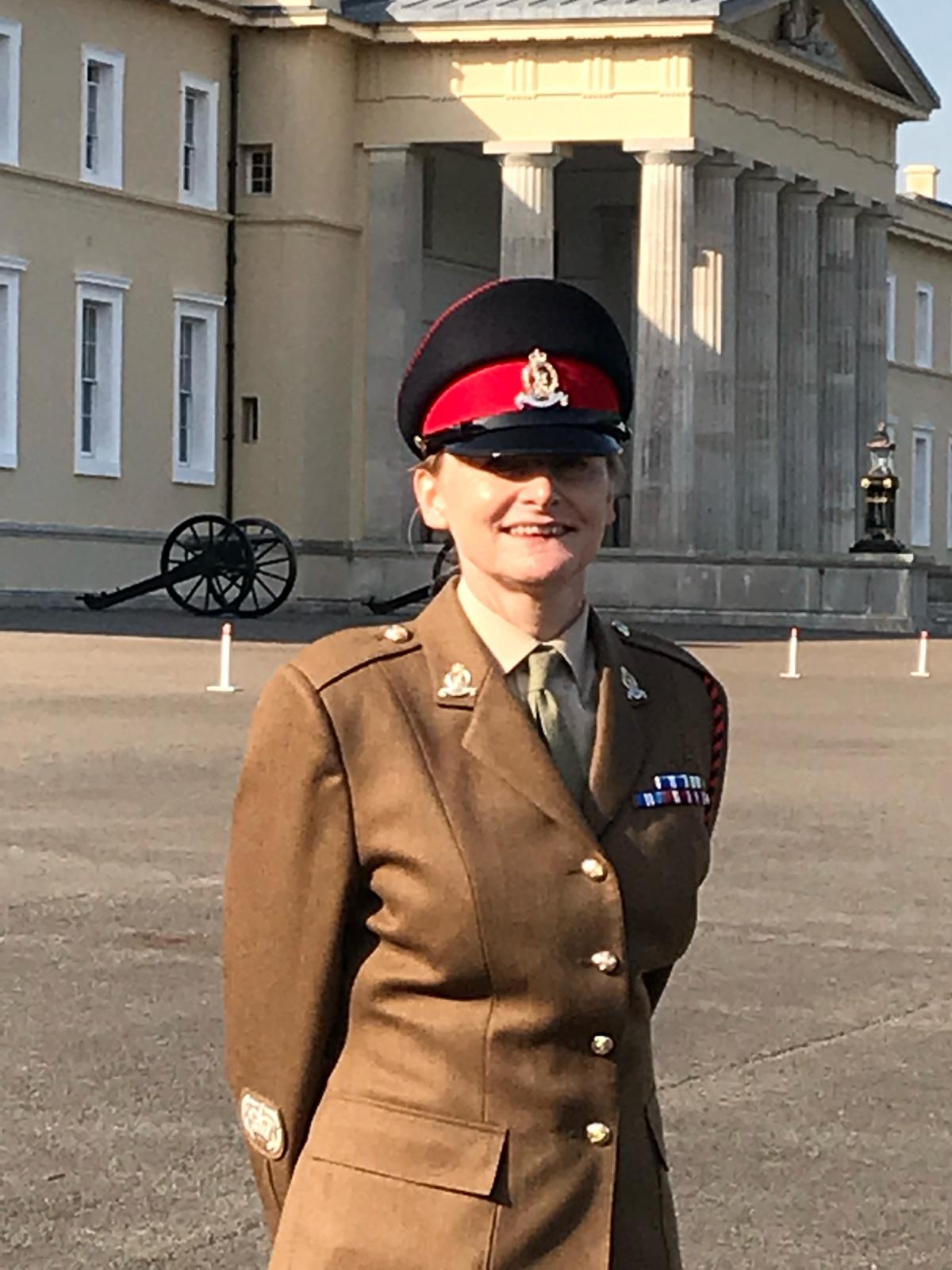
Over her thirty years in varied postings Suzie has seen the challenges facing women in the armed forces played out in many ways – as well as witnessing positive improvements in the female experience too, from the design of uniform to more awareness of the menopause.
“Unfortunately, the military is still a very misogynistic world. Very often as a woman you feel invisible; it's much harder to get noticed. I always felt that I had to work three times harder on additional duties and extra activities to get promoted. Also, when I tried to report certain incidents, I was seen as a troublemaker, and it took over a year to get anyone to take note of a serious incident I tried to report. I was told things such as 'it's a clash of personality' when I had text messages and emails proving otherwise.”
“On the physical fitness side, you always have to work harder to prove yourself - some of the men assume you won't be able to keep up.” And there can be unwanted sexual attention - “the assumption that you’re ‘up for it’ as a single woman – especially on a night out if alcohol is involved.”
“When I was at Worthy Down even as late as 2009-2011 I was the only female instructor, and a lot of my male colleagues had a problem with that. I was always given a hard time and given all the rubbish jobs. Only once did one of the Warrant Officers pull up one of the others to say he was being chauvinistic.”
On the other hand, there have been huge improvements in gender equality since the early 90s. “Women now have more trades open to them. Personally, I wouldn't want to serve on the frontline, but for those who do - and can pass the relevant tests - it's good. Promotion to higher ranks is more possible – when I joined up there were no female brigadiers, but there are now.”
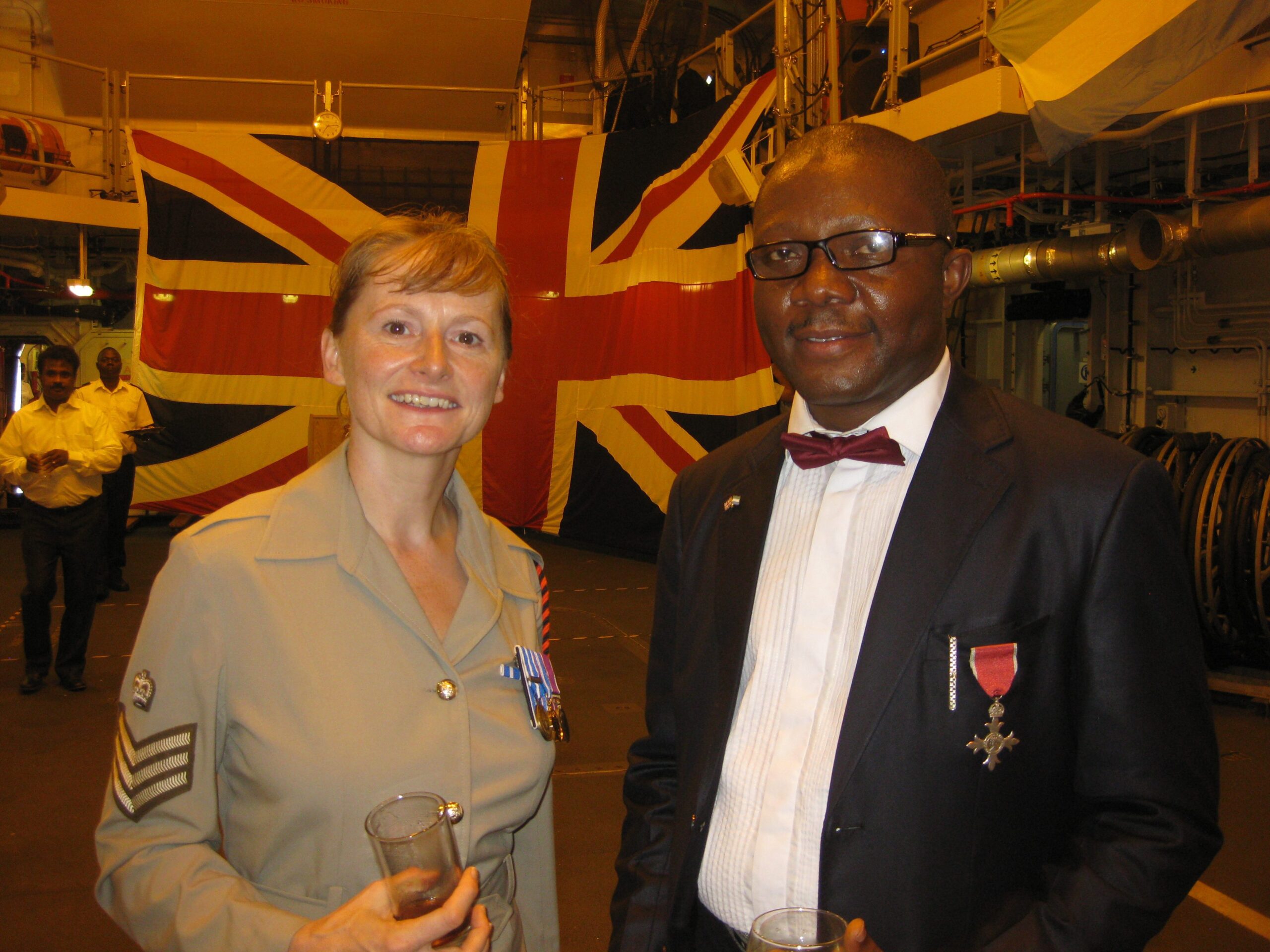
“I’ve also seen uniform evolve for the better for women over the years - like combat trousers being updated to a 'female fit' to avoid a male ‘bulge’! When I joined, there was just one style of men’s boots; now they have different styles and fits. During basic training in the early 90s I was in one of the first female platoons to do mixed training alongside the men. However we were still expected to dress in tiny little blue gym skirts and tight white aertex tops – senior men came to ‘observe’ this new way of training and we felt like they were gawping at us. Now men and women train in the same blue shorts and green t shirts.”
Another interesting thing Suzie has witnessed recently is greater awareness of the menopause: “Now that Army careers can be longer than 22 years the Army is seeing more women coming through over the age of 45 and are starting to bring in menopause training at the Med Centres. I was lucky because on my base at 33 Engineers Regiment there were civilian nurses there who diagnosed me as being perimenopausal, but it’s something military doctors are taking more notice of now.”
At the end of a thirty-year career what advice would Suzie give to young women in the forces today? “Take every opportunity to do different things if they're there. Volunteer for everything; get any extra qualifications available. And if you know you're right, don't let anyone make you back down. There shouldn’t be any difference between females and males…”
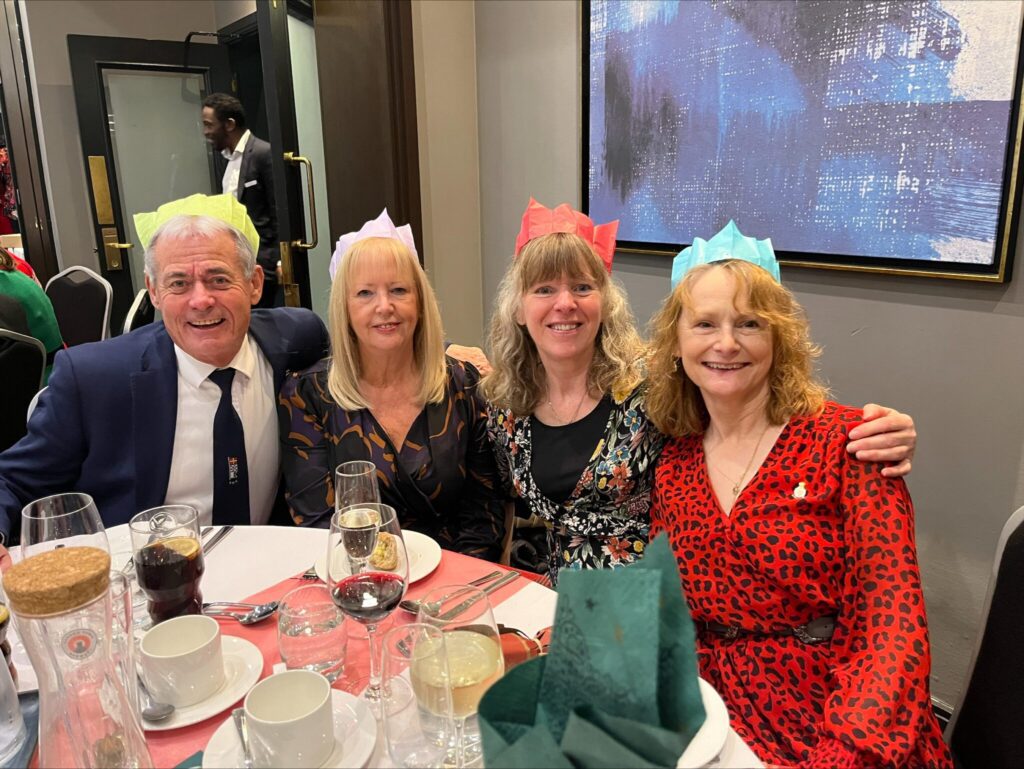
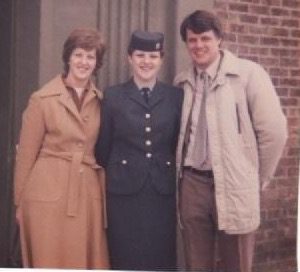
Katy Jones-Cole served for six years in the RAF as a Senior Aircraftwoman in the late 1980s and early 1990s. She had always wanted to join the military and loved the camaraderie of RAF life and the self-discipline and tenacity it taught her. However she also experienced challenges and frustrations as a female at that time, which led to disillusionment and her leaving the service...
She shared her story with us.
“I always had a feeling that I wanted to join the Forces because my Mum was in the Wrens. I wanted to join the Navy, and was a Sea Cadet in readiness, then when the Falklands Conflict happened that cemented my will to join up.” However in 1984 Katy marched confidently into a Navy recruitment office only to be told the Wrens were not recruiting 16-year-olds and to come back when she had more life experience.
Leaving with her tail between her legs fate intervened as it so often does, for next door Katy spotted the RAF recruiting office – who immediately snapped her up and sent her off for basic training then trade training. Katy’s aptitude was recognised, and she was selected to learn Morse Code and for accelerated promotion, passing out as a Senior Aircraftwoman.
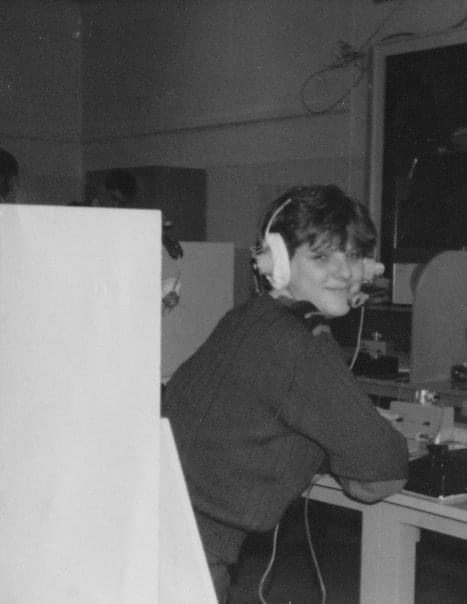
Having joined the Air Force to see the world, ironically Katy’s first posting was to RAF Upavon which was the closest base to her family home! After two years there which she looks back on with great fondness as full of camaraderie (“because it was in the middle of nowhere”!) Katy was then posted with her RAF husband to Rheindahlen in Germany for three years where she served as a telecoms operator. Unfortunately at this point some disillusionment with her experience set in…
“I realised on that posting that the military was not a married woman’s life. I was quite badly bullied in Germany - I didn’t realise it at the time but looking back I can see it. I was the only female on my shift, and they used me as a skivvy. I had to do all the cleaning and all the cooking, but very little of the actual qualified work I came to do. My flight sergeant - the biggest bully - told me his daughter was joining up, but specifically as a stewardess because that was a suitable woman’s job. His own daughter! That summed him up.”
Katy began to perceive that “different expectations of behaviour were applied to men and women - If men got drunk it was just ‘japes’ whereas if a woman did it was completely disgusting. My civilian friends couldn’t believe some of things I was expected to do”. Female recruits were discouraged from many trades in the Air Force even if they would have excelled in them, and other trades blatantly discriminated between men and women – one of Katy’s female friends served as a ‘Kennel Maid’ while her male colleagues were Dog Handlers. Men in more traditionally ‘female’ postings such as admin were promoted very quickly above the women. Although there were some exceptions – “We had a female tecchie posted into Rheindahlen, and what a coup that was! Who knew women had brains!”
Katy’s was one of the first WRAF cohorts to be weapons-trained, but even that was on lighter, easier-to-load sub-machine guns rather than self-loading rifles.
It also became clear to Katy that as a woman she was not going to be given the same chance at promotion as her male peers. “As soon as you were married the attitude towards you changed. You were just going to have babies soon so you weren’t worth investing in for a real career. I can’t think of any married woman in my time who got higher than Corporal. And as for pregnancy, that was you immediately discharged.”
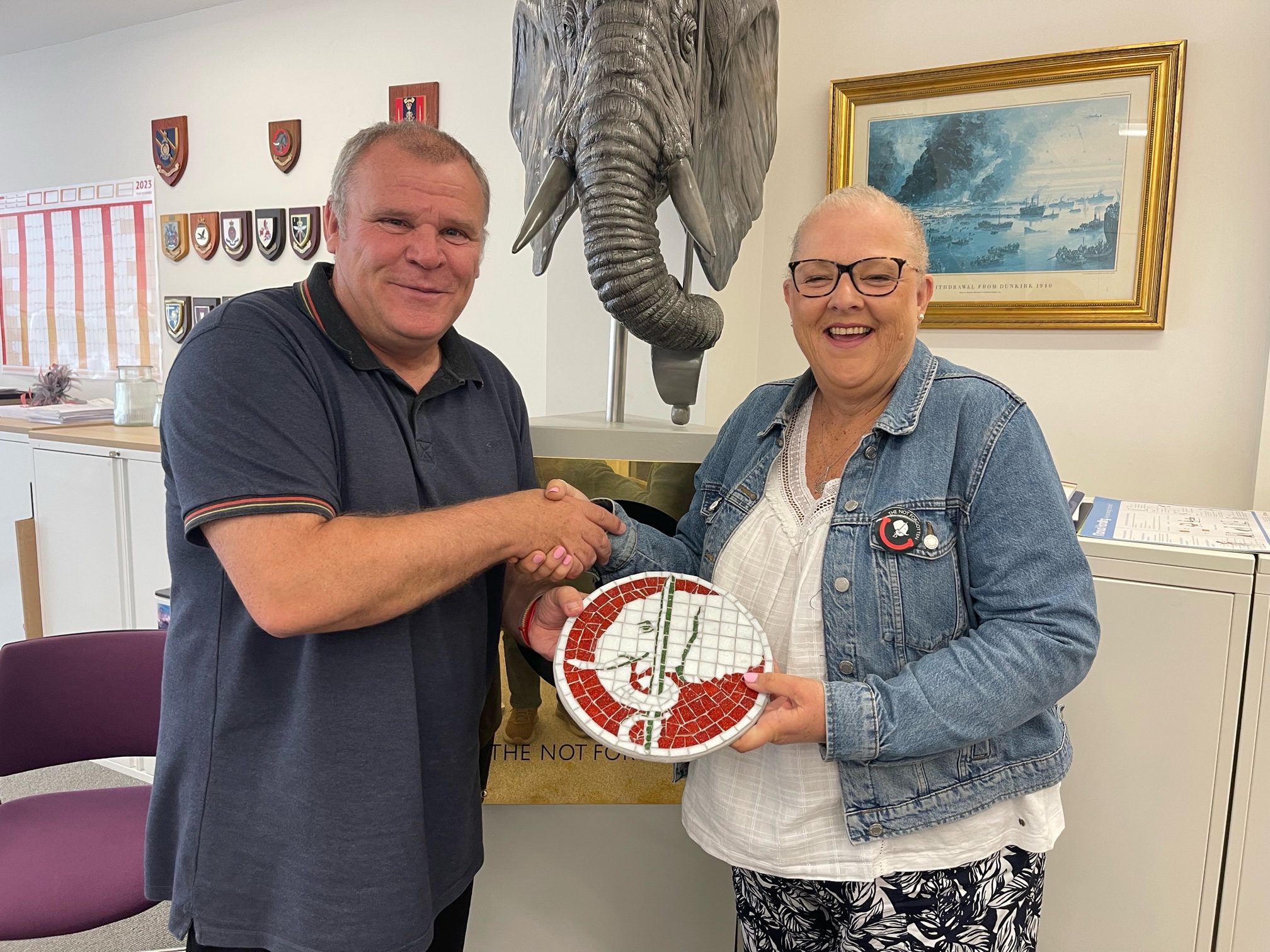
The straw that broke the camel’s back for Katy was when she was being assessed for promotion to Corporal and her Warrant Officer’s feedback was ‘You’re not going to get promoted because you’ve put on weight.’
“I was perfectly fit and a decent BMI, whereas the officer telling me this must have been 20 stone and nicknamed Roly Poly! I decided then that enough was enough and I left.”
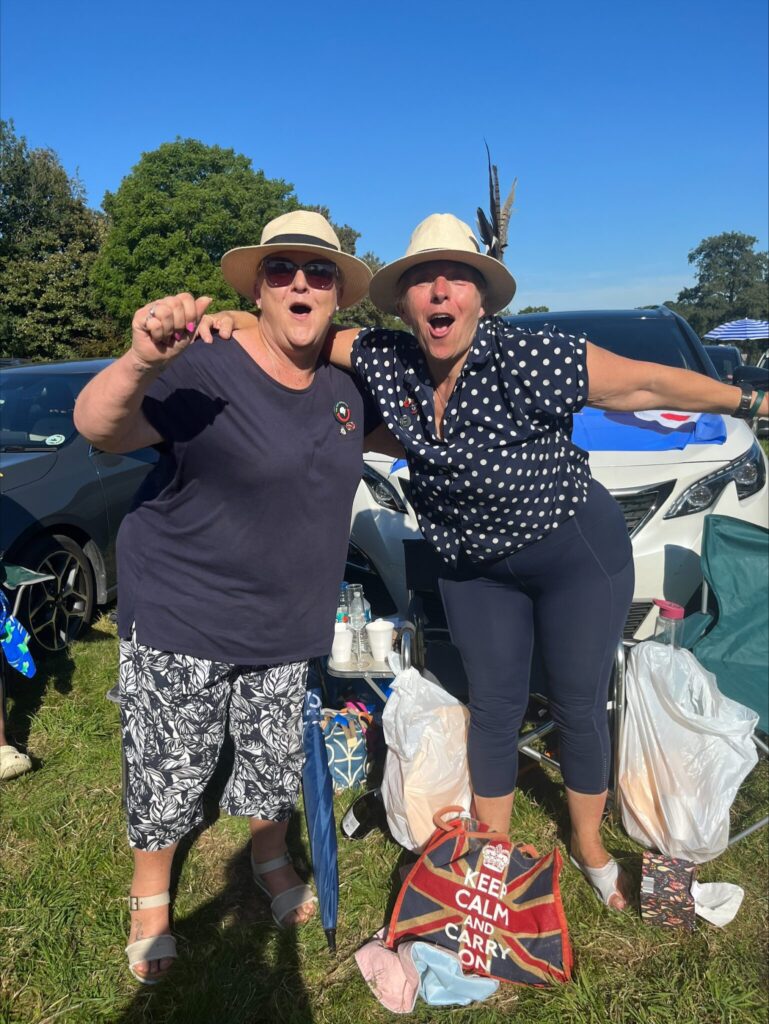
Despite this disillusionment Katy does look back on her time in the RAF with positivity too – there were many happy moments, and she continues to be very proud that she served. Her stand-out memories include a detachment to Kenya where she was part of the welcoming party for (the then) Prince Charles, and as a veteran Katy has been instrumental in advising on the setting up of the Veterans’ Gateway and establishing Southampton’s first Armed Forces Day in 2018.
Retraining in civilian life as a nurse while holding down part-time jobs and raising children was testament to her RAF training – “I’m certain my time in the RAF prepared me for that – the self-discipline and self-respect, tenacity and determination; getting stuck in and sticking with it.”
She also still values the unique camaraderie of military life; still in touch with a lot of her RAF friends, she describes a “sisterhood amongst the female veterans – as ex-WRAF you feel like sisters, and the WRENs and WRACs are like our cousins…”
And Katy’s advice for young women in the military today? “My biggest regret is not having stayed in longer. I wish I’d spoken up for myself a bit more and stayed on. So my advice would be don’t crumble, stick with it. If the going gets tough you will get through it if you push on.”
“I know military life is not for everybody but it is a fantastic life with so many opportunities… so stick with it.”
Barbara McGregor currently holds the Guinness World Record as longest-serving female in the British Navy, having joined the Women’s Royal Naval Service (WRNS) in 1977 and serving 44 years until her retirement (if you can call Barbara’s busy life that!) in 2021. She has had many fascinating experiences from policing the US military in Diego Garcia to briefing top brass on the state of recruitment across the Navy, and has met amazing people along the way from the Admiral of the USSR fleet to the Aberfan Wives. As she puts it: “It’s been a busy 44 years!”
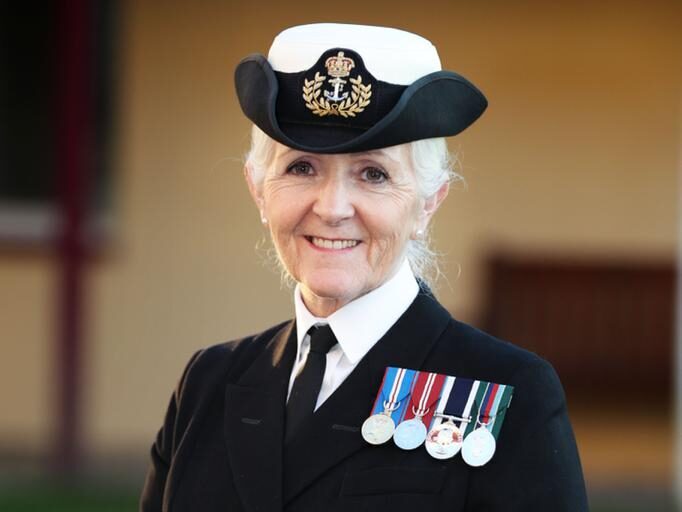
With a career spanning the societal shifts of the 70s, 80s and 90s and including prominent roles in Naval recruiting, Barbara has a fascinating perspective on how things have changed for females in the armed forces. She speaks with pride about the ‘Wrens’ of World War Two who paved the way for future generations of women in the Navy and is a passionate advocate for empowering young women serving today.
“In the 1970s and 80s we rode the waves of the fantastic, formidable women of World War Two who gave us a platform through what they did. We had a huge responsibility to build on that – we said to ourselves ‘Come on ladies, we’re going to stand up and be counted’.
“When I joined up in 1977 we were classed as being in a supportive role to the fleet. Which didn’t stop you working hard but it was restrictive. By the time I left every single female could do any job in the naval service – including the Royal Marines. Complete equality at its best. Be a Royal Marine, be a diver, be a fast jet pilot! The world is your oyster!”
Having had to give up on aspirations to be an air hostess because her French was below par, 16 year-old Barbara filled out a coupon to join the WRNS in a newspaper whilst still at school in Bridgend. By July 1977 – three months before her 18th birthday – she was signed up and sent to HMS Dauntless for training.
“The camaraderie there was great; I loved it immediately. I am still in touch with many of the girls I trained with – twelve of them came to my retirement party last year! We had only four weeks training. The instructors were all women – strict but very fair. There was not much physical training or tests; it was more like finishing school.”

One of Barbara’s first postings was to Yeovilton Air Base where she served as a communicator during the introduction of the Harrier jump jet in 1978, working in the top-secret signals office – “it was terrific! I saw the Harrier come in in 1978, then its decommissioning in 2011 - when you serve nearly 44 years you see a lot.”
Barbara served two separate tours of Gibraltar in the early 1980s and a very formative four-month tour to Diego Garcia in 1984, a British territory in middle of Indian Ocean where the American military presence is policed by the British. “It was an extremely isolated place. We were really out on a limb with no communications whatsoever other than infrequent letters and parcels. Policing the American servicepeople was an eyeopener for me - I was very naïve and witnessed some astonishing things!”
But her favourite jobs have been taking girls through Basic Training at HMS Raleigh in 1987, and more recently in the Royal Navy Careers service, serving as Warrant Office to Commodore Miller, promoting naval recruitment across a huge area of the UK.
“I have been given so many opportunities through the Navy – I have grasped every one of them; you have to.” Barbara remembers meeting many members of the Royal Family. “I met Lord Mountbatten on my 18th birthday on a parade on HMS Mercury – he was much smaller than I thought he would be!”. And as Master at Arms at HMS Raleigh Barbara looked after many a VIP at passing out parades – after several encounters with the Princess Royal she asked in astonishment ‘Are you still here?!’”.
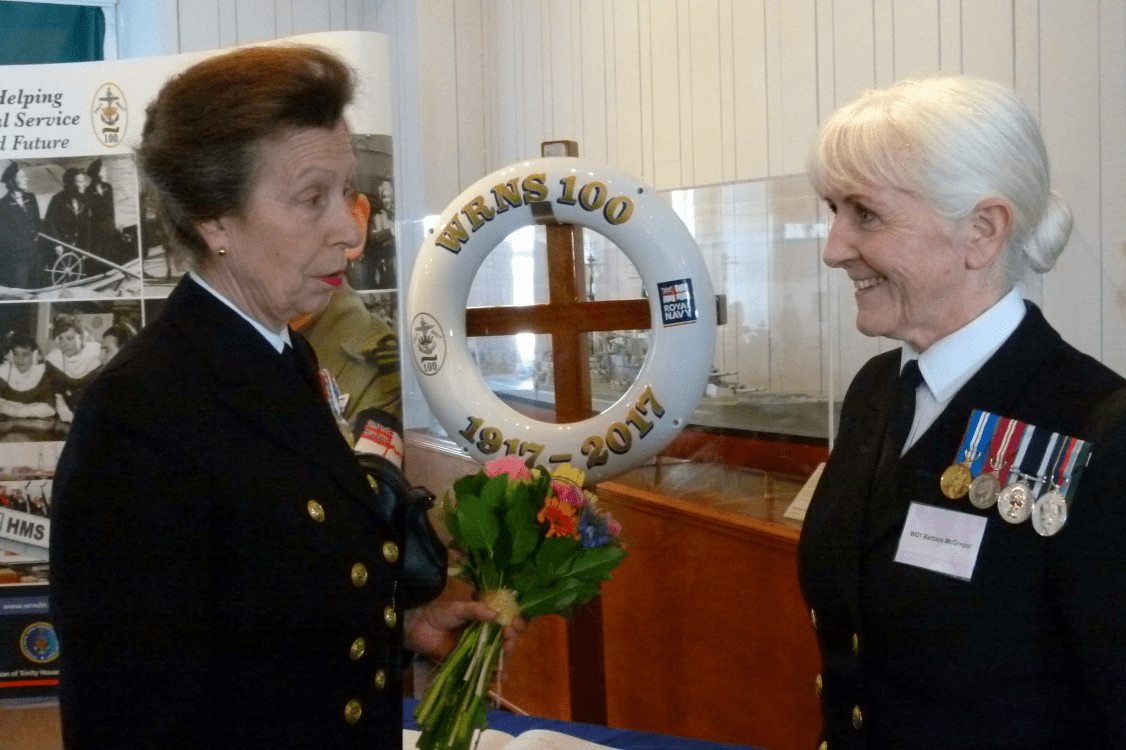
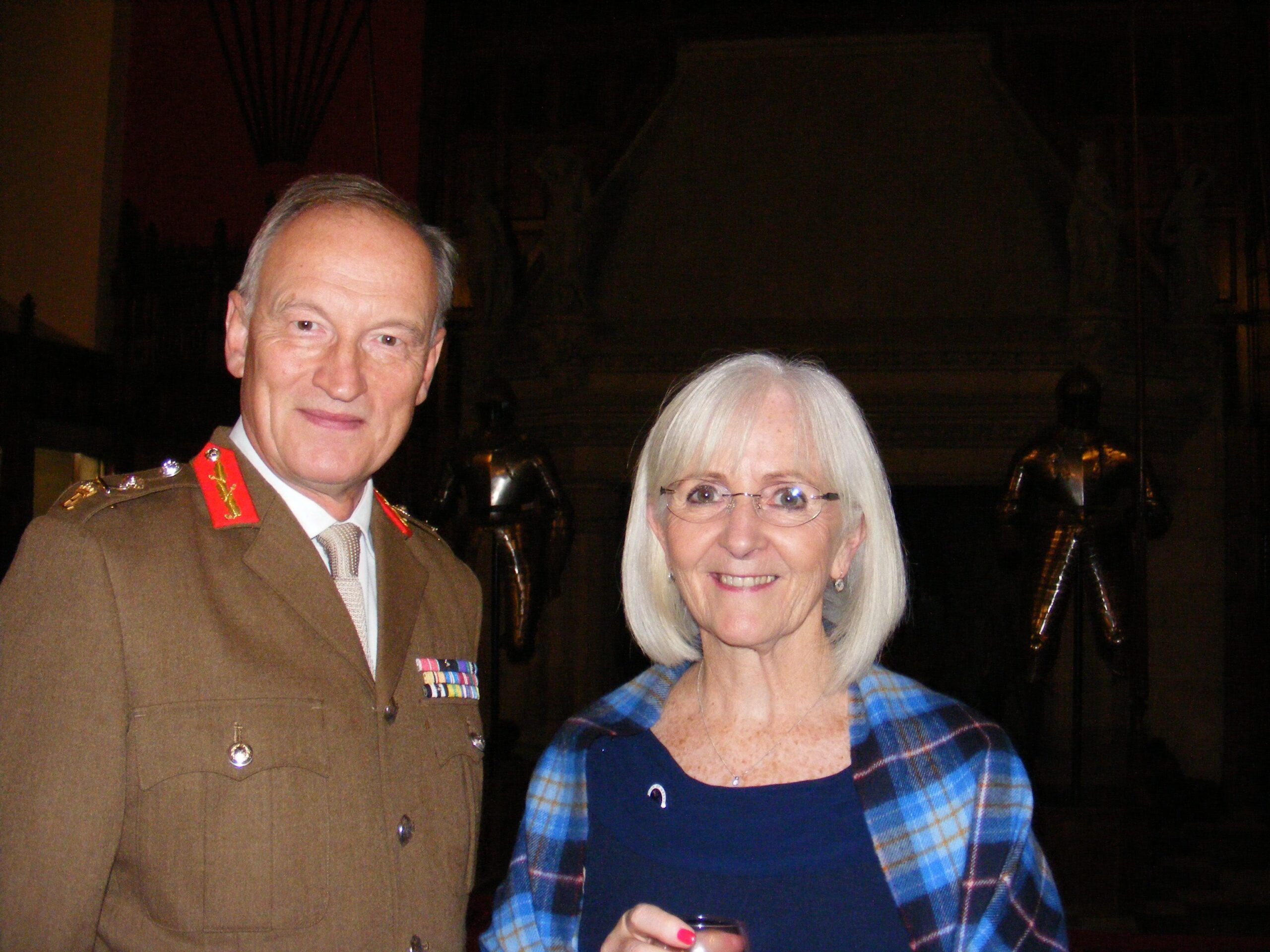
When the Berlin Wall came down the Admiral of the Fleet of the Soviet Union came to HMS Raleigh. When he enquired about the living conditions on base Barbara ended up showing him round her house! And as lead Warrant Officer at the NATO Summit in Cardiff in 2014 she found herself briefing many top politicians including the Secretary of State for Defence and the First Minister for Wales.
She has also worked with a wide range of women, from those she is still close to, to those she found less agreeable - I have worked with some lovely Wrens in my time, but I’ve also worked with some complete battle-axes – who have taught me how not to behave and how not to treat people!”
Amidst all these formative encounters and fascinating people, Barbara has witnessed seismic changes in the role and treatment of women in the Royal Navy.
“If you think back to 1977 when I joined, we were still riding the waves of the Second World War and its aftermath - the wartime recruitment drive of ‘Free a man for the fleet’. It was very hard to overcome that culture; to become more than just an add-on or support but something of significance. We had to work really hard as Wrens.
We were held in high esteem by senior officers - they were aware of our history, what Wrens had done and what we were continuing to do. I think they realised Wrens were more intelligent than the average sailor! But working alongside our male colleagues we had to work hard to prove that we were equivalent to if not better than men – there’s no room for complacency, you always had to keep your standards high. And apart from my very first course as a communicator, I have always been the only female on any leadership course I have ever done.”
Barbara thinks probably the biggest change she has seen is being allowed to continue serving whilst marrying and having children. “You could get married as a Wren from the 1970s, but you had to request to do so. And for decades if you became pregnant you had to leave service. That didn’t change until April 1991 – and guess what, my son was born in September 1992! I was a ‘geriatric mother’ because of that! It was often a lottery as to how you were treated if you became pregnant – before 1977 things like that were decided by local orders and depended on how sympathetic your Chief Wren was. That all changed when administration was centralised in ’77.”
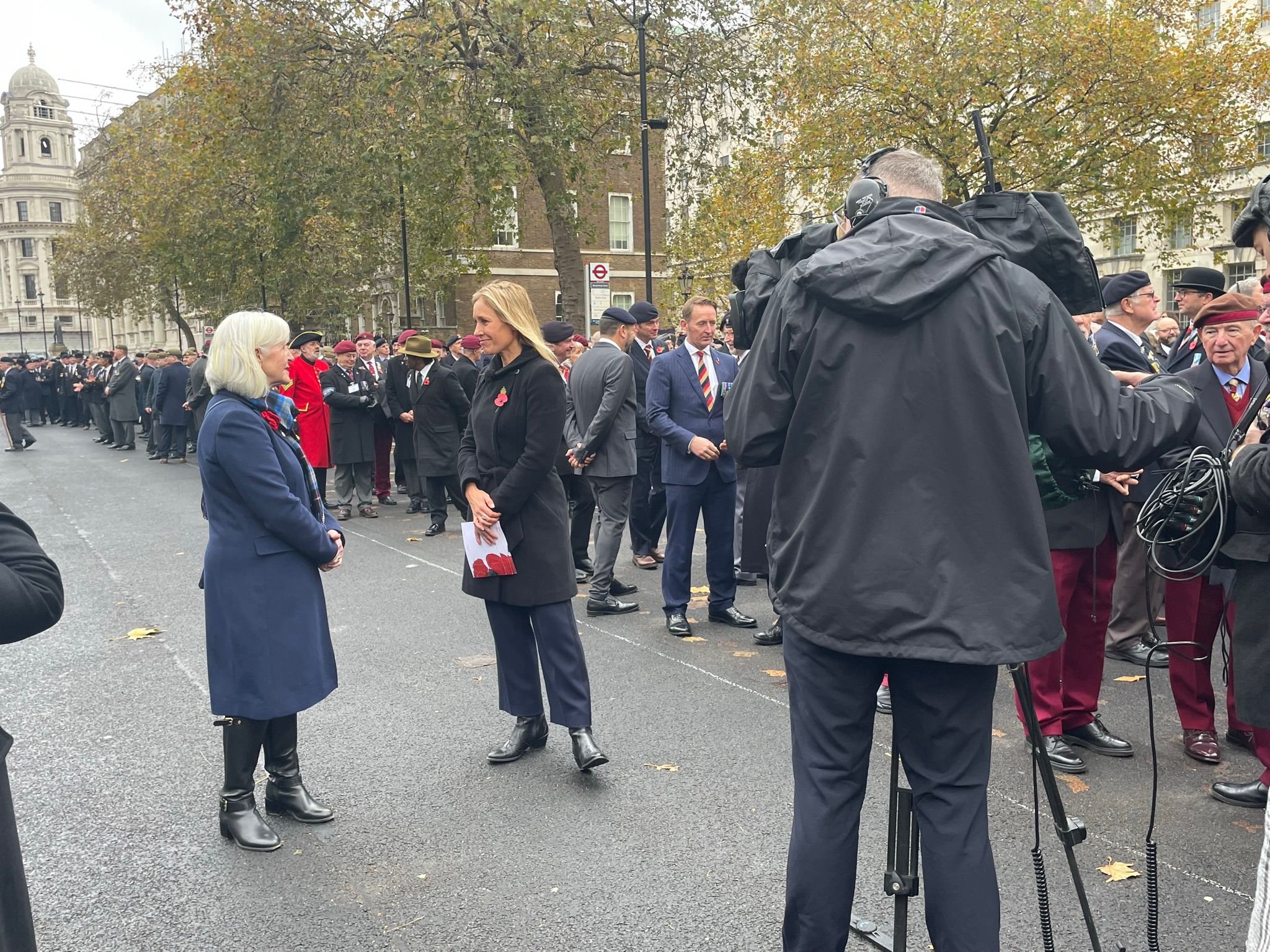
“The other huge change is women actually serving at sea. From 1993, women who joined the Navy were signing up to go to sea, you couldn’t opt out. If you had served before ’93 you could opt out – which is what I had to do as it was too late for me to go to sea by then, with no experience and with a family. But if I was 18 again I would jump at the chance to go to sea and travel the world.”

Sea-legs aside, Barbara is incredibly proud of everything she achieved during her 44 years in the Navy – and indeed since, in influential roles as a veteran.
Her Guinness World Record as longest-serving female in the British Navy was “one of my proudest moments - I was absolutely honoured to receive that”. Her record was talked about in Parliament and the Welsh Assembly - she has the Hansard record to prove it! She is also particularly proud of her final three years of career when she was First Command Warrant Officer for Recruiting, responsible for briefing The First and Second Sea Lords on the state of recruitment across the entire Navy. This was a new role she was the first to hold, and for the final nine months had to maintain through Covid with no careers offices open and staff working from home facing the challenges of isolation.
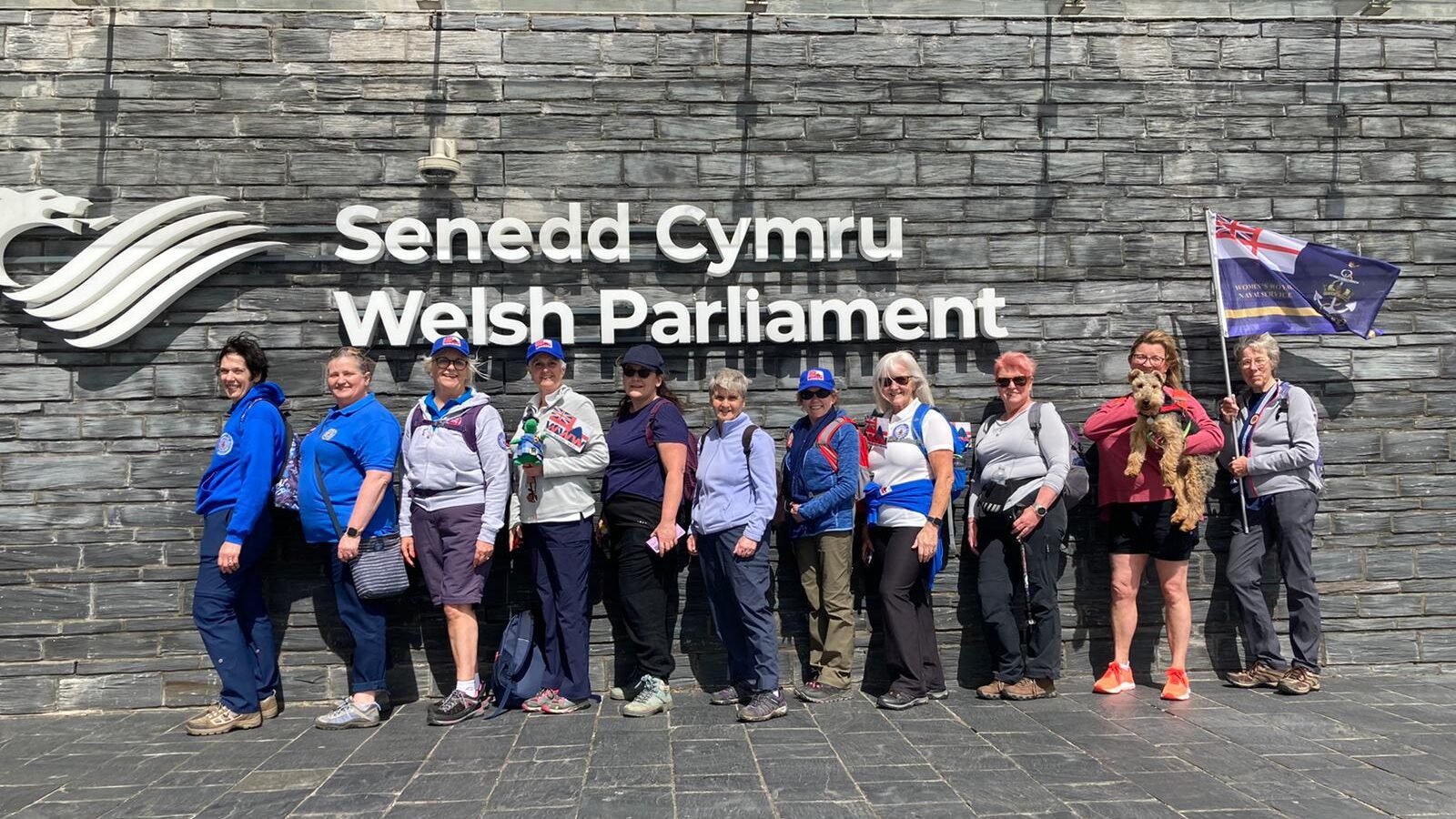
In 2017 for the 100th anniversary of the founding of the WRNS, Barbara organised the inspirational ‘Wrens Walking Wales’ initiative – four Wrens completing a 100-mile walk from Newport Parog (West Wales) to Cardiff in nine days, raising £6,500 for charity and engaging with all sorts of communities on the way including the Wives of the Aberfan disaster who held an afternoon tea in Aberfan Chapel in the Wrens’ honour – “up there in the highlights of my whole life”. Wrens Walking Wales then developed into ‘Wrens Out Walking’ which has over 600 members all over the world and proved a lifeline for many during Covid.
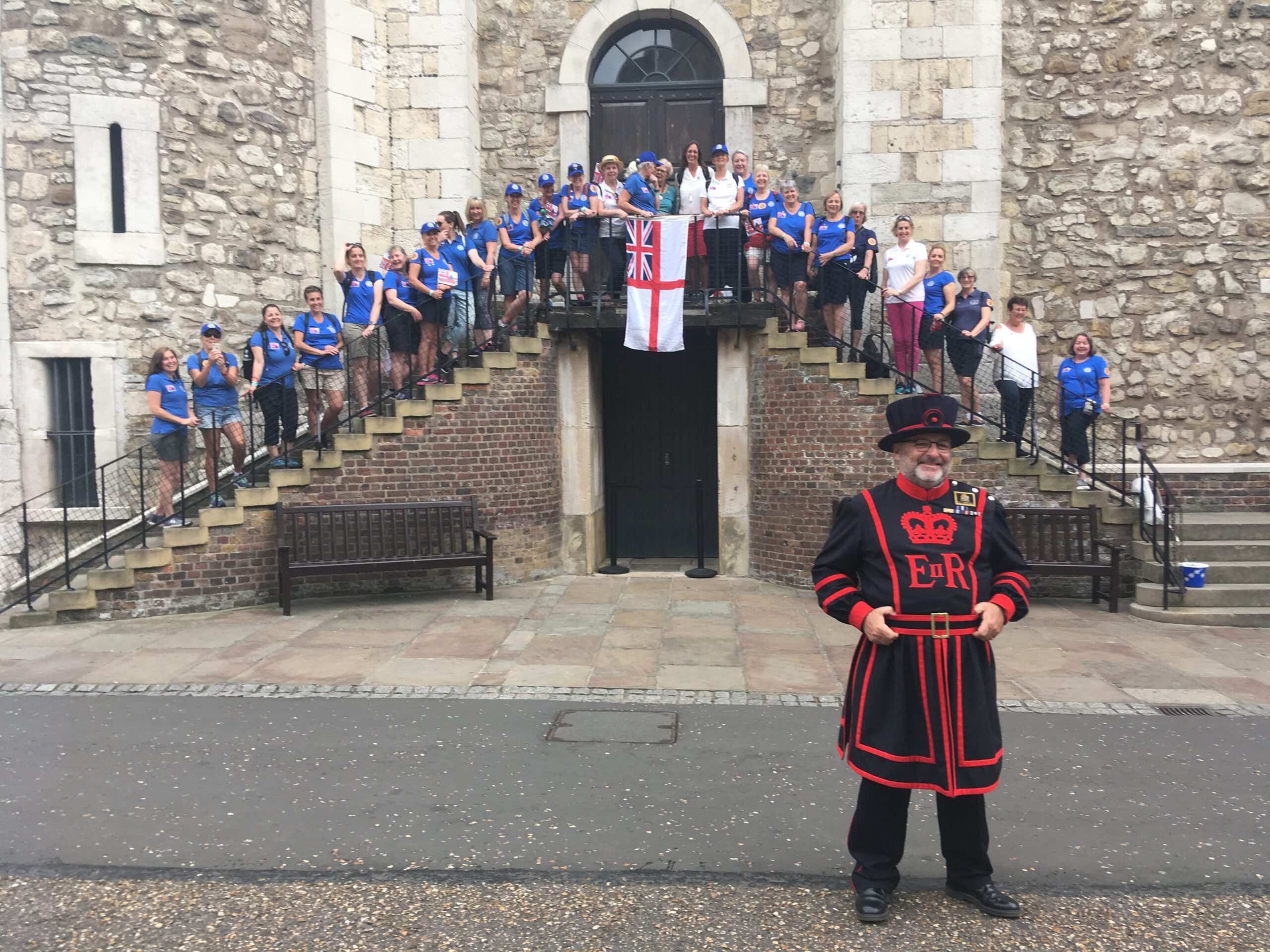
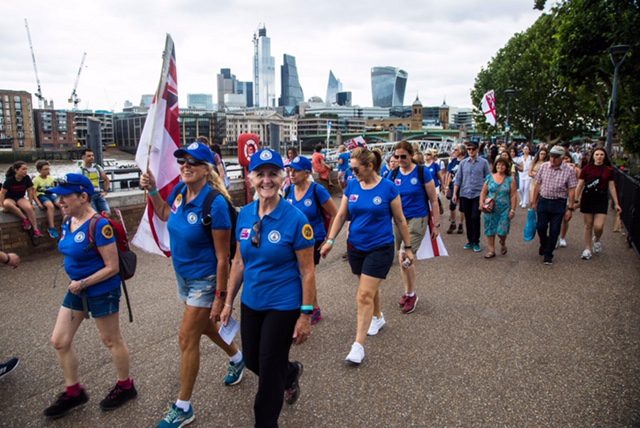
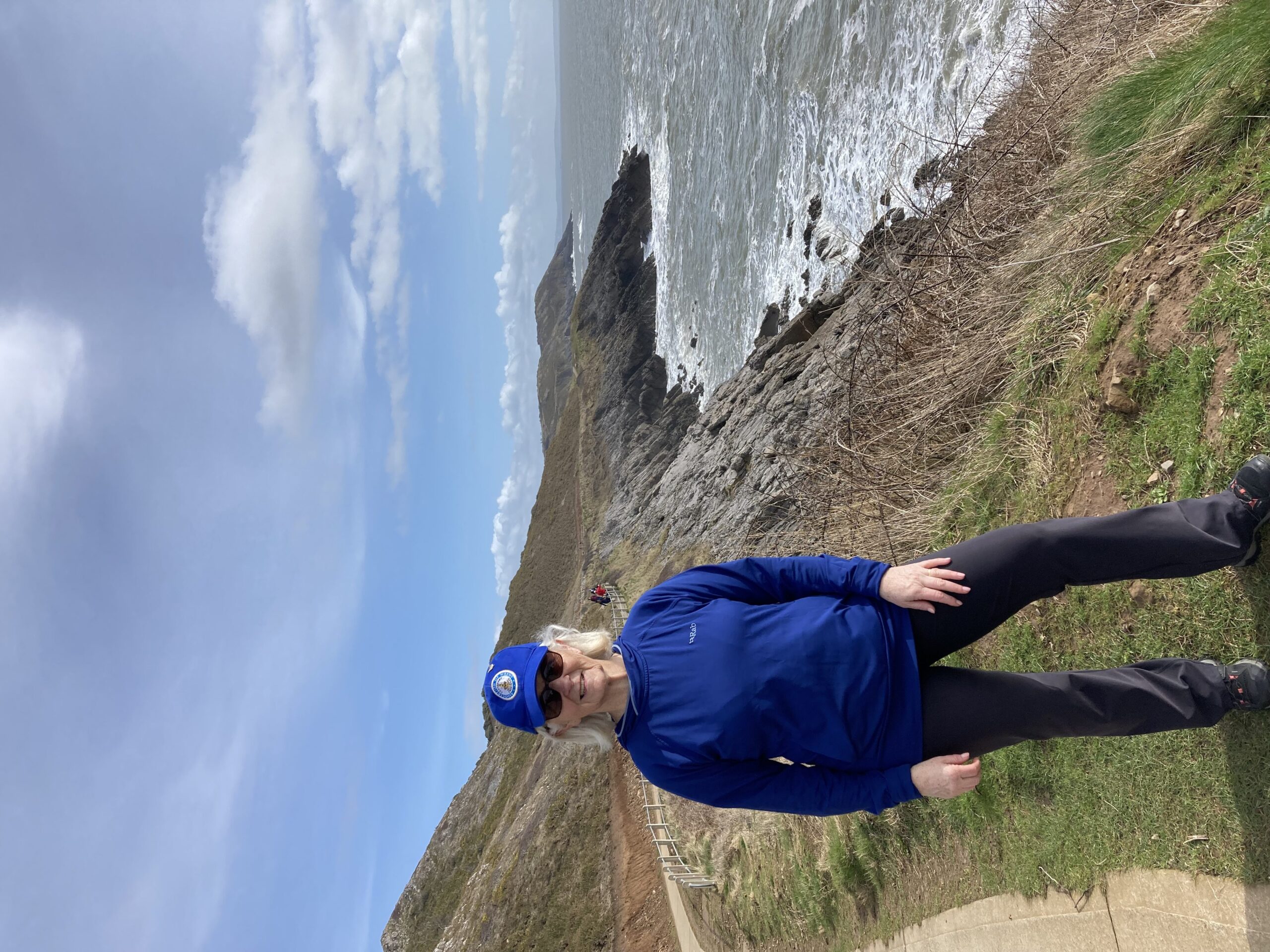
Barbara finally retired in January 2021 but continues to be as involved as ever in championing and empowering women within the Royal Navy (as well as travelling the world with her husband, Stuart). She was a Trustee of the Association of Wrens until last October and continues as Chair of the Association of Wrens in Swansea, and as Naval representative for female veterans with COBSEO. She liaises and facilitates with all sorts of networks such as the Naval Servicewomen’s Network, the Maritime Reserves and the Queen Alexandra’s RN Nursing Service.
“It is vital”, she concludes, “that women in the Navy continue to support each other. The Naval Servicewomen’s Network inspires and empowers female naval personnel today, and promotes to females that they really can do anything. I truly believe that women are treated very well in the Navy, but they still need that mentoring and that support.”
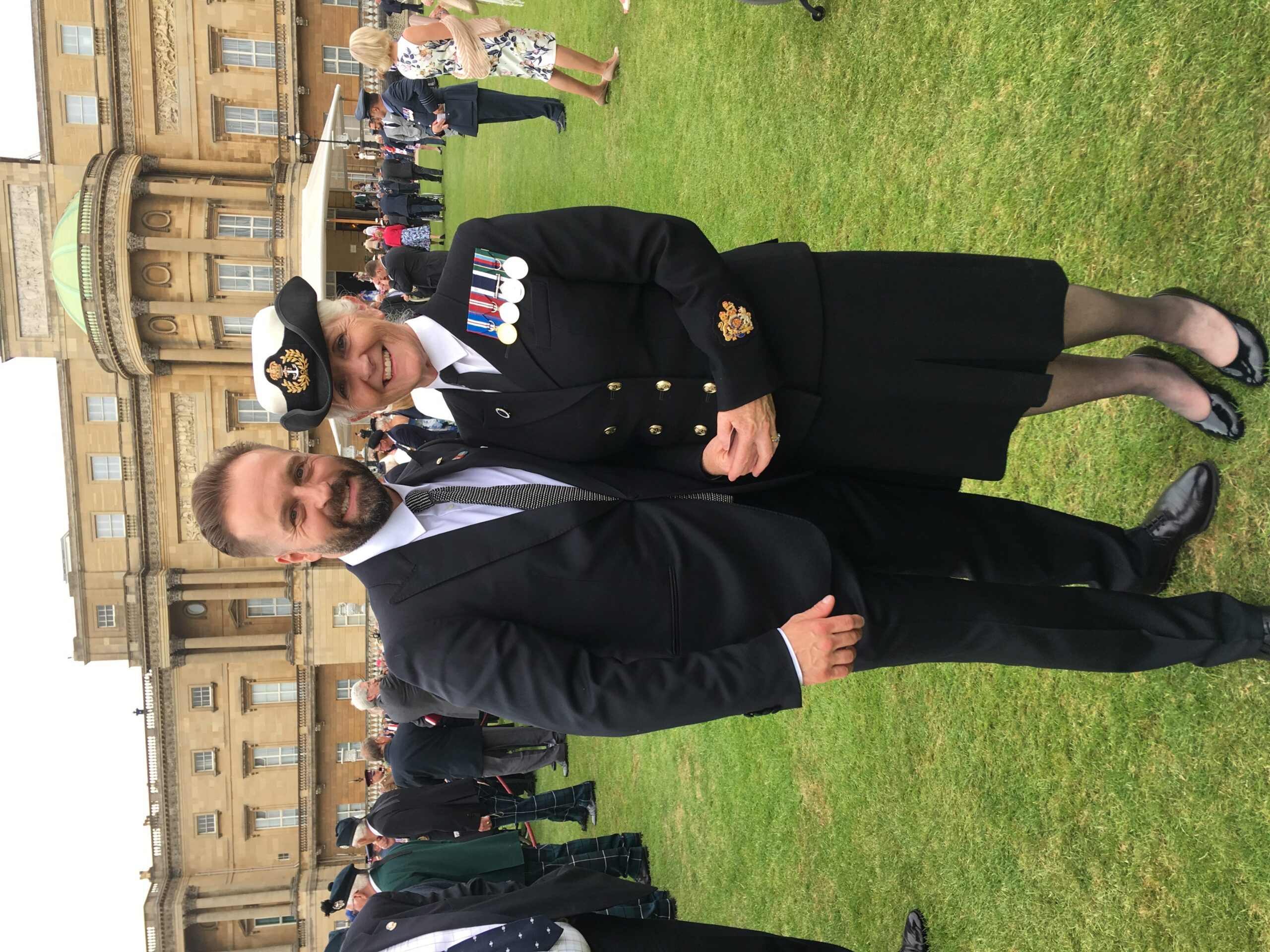
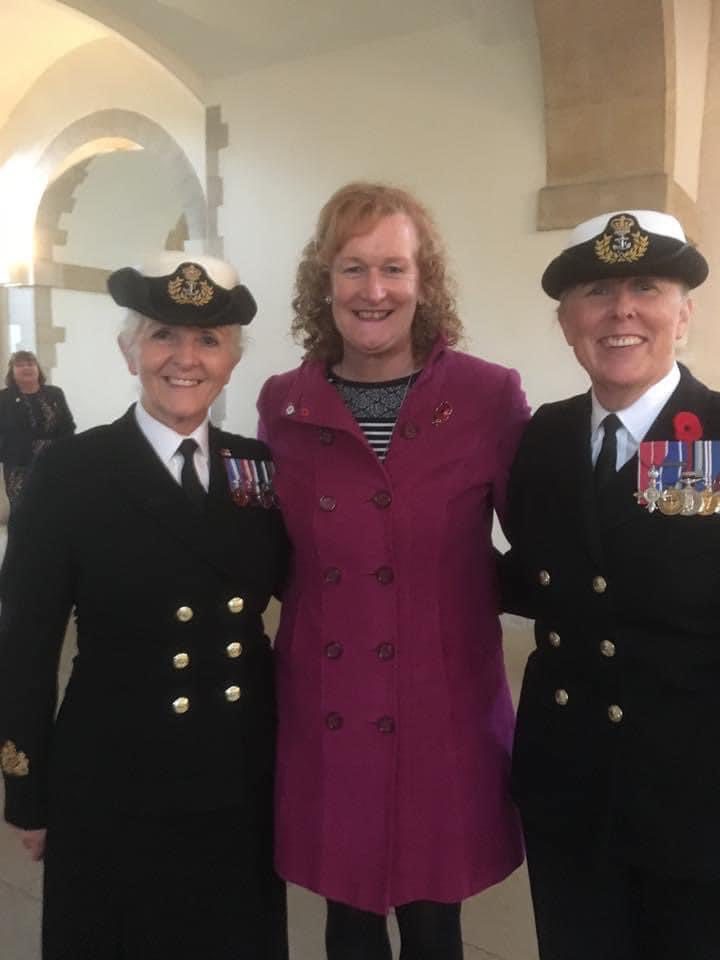
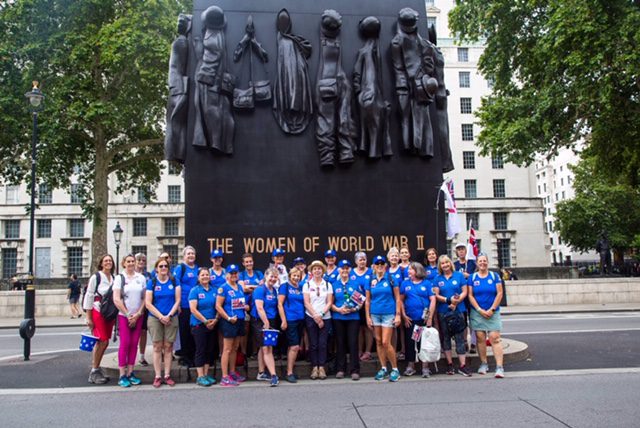
Janet Brodie-Murphy (better known as Jan) joined the Women’s Royal Army Corps (WRAC) aged 20, stepping almost by accident into a career which she loved. Across 23 years’ service in the UK and Germany Jan worked her way up to Major and played her part in seismic institutional shifts in the role and treatment of women in the Army. More recently she has made her mark as one of only sixteen female In-Pensioners at the Royal Hospital Chelsea. She tells us her story...


“I hated school and left with no qualifications” Jan told us. “Then went to catering college where I was completely uninspired, until in the Bernie Inn pub, where I worked on a Saturday, I met a Warrant Officer from the Army Recruiting Office in Worcester… and within weeks found myself at WRAC Centre in Guildford, starting out on a career which I absolutely loved”.
A likeable, humorous, and determined hard-grafter who seizes every opportunity to get the most out of life, Jan has a deep-held belief that “women are so much better than they think they are”. Her first-hand perspective on how female soldier’s lives have changed over the past decades is fascinating. When she first enlisted in the 1970s women could only serve if they were unmarried, and pregnancy meant immediate discharge. They could not easily earn a commission and served in non-combat roles such as clerical, stores and stewardessing.
Jan herself was a Staff Clerk for nine years, then trained as an Army Welfare Assistant, a new role opened to women which she did enjoy. But it was in 1984 that she gained her Commission, became OC (Officer in Charge) of her own WRAC platoon and could really get her teeth into things. After tours as Second in Command of Station Admin at RAPC Worthy Down and training Warrant Officers, SNCOs and JNCOs at WRAC Centre, Jan was promoted to Major in 1990 and posted to Germany in as Officer Commanding 29 Company WRAC, HQ BAOR, witnessing the final months of the Cold War.
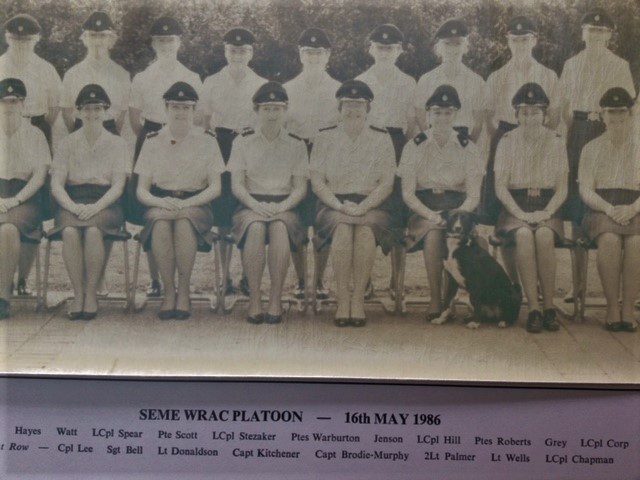
“There was a corner turned during my career. Women had previously been restricted to distinct roles as part of the WRAC, very separate to the men. Then suddenly [with the disbanding of the WRAC in the early 90s] women were being integrated into the regular corps and were basically seen as a giant pain in the backside. You had women, newly commissioned officers, coming in and posted as assistant adjutants into areas where they had never been before and had their male colleagues and superiors literally telling them “We don’t want you here”.
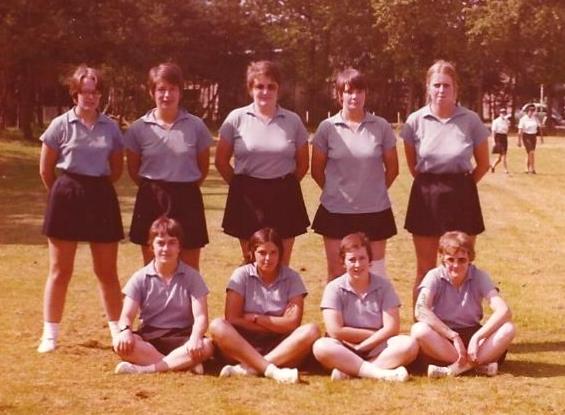
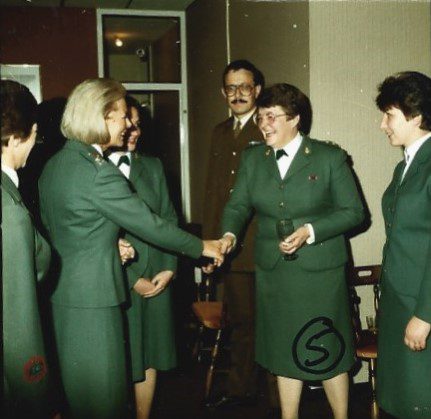

As the WRAC was dismantled and servicewomen were transferred to their corresponding ‘male’ corps, Jan was first OC responsible for the establishment of unisex accommodation on her German unit – at all ranks even in the Sergeants Mess. “It was a slow process. We’re talking about dismantling an institution constructed in World War Two, shifting to a unisex company where women could train, serve, and live alongside men”. Jan recalls distinctly those at the highest levels declaring the integration “not a good idea”, but she thinks of it as one of the proudest achievements of her career: “A lot of people did not want it, but it had to happen.”
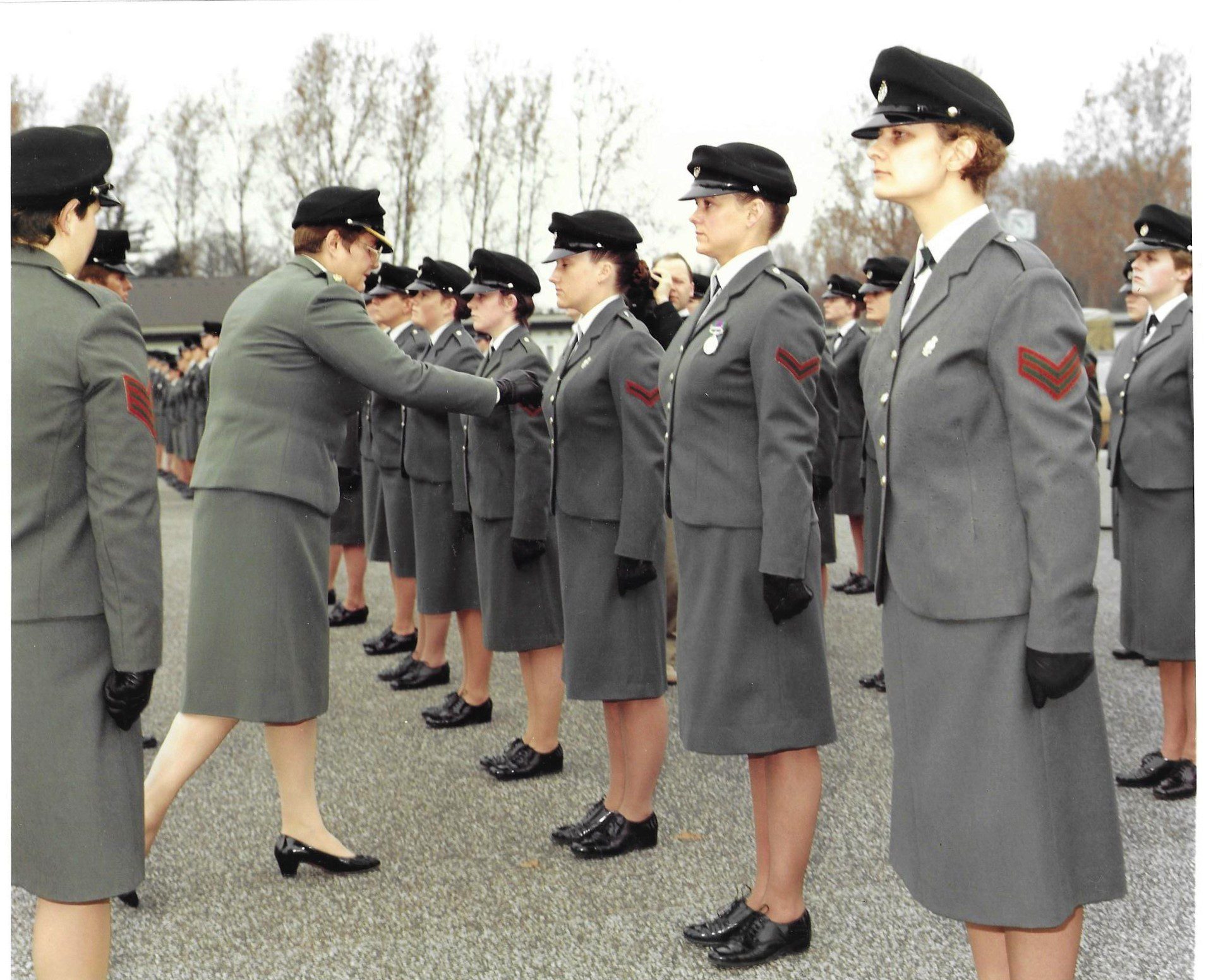
Even as integration took place and rules changed to allow married and pregnant women to continue serving, there was confusion and unease when those in charge had to adapt. “There were men who genuinely couldn’t get their head around having to work alongside a pregnant woman – and to be honest it wasn’t just the men: many of the women in charge were unmarried and not living a ‘normal woman’s life’ so had little sympathy with women now juggling a service career with their young families.”
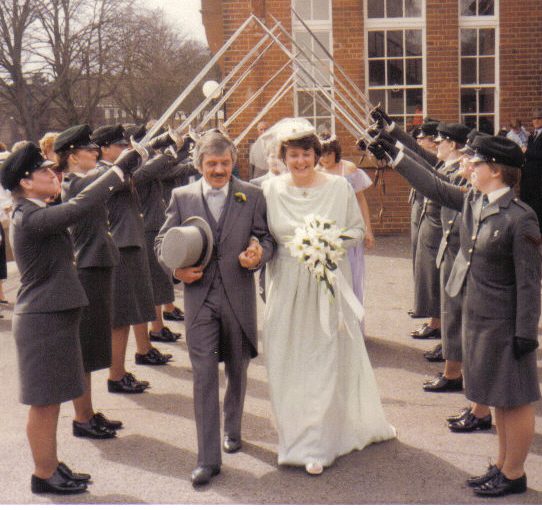
At the same time other women who had fought the army patriarchy their whole career could be very ‘anti-men’, barring husbands from attending as guests at Mess events. Meanwhile the system was still flawed when it came to situations like posting both a husband and wife to Iraq leaving – theoretically - no parent behind with their young child. “These were completely new dilemmas in a centuries-old institution. There are still things that worry me about it now, but we have come such a very long way”.
[Jan's wedding in 1984 - "My girls had been trained in sword drill to give me an arch as I came out of church. Our RSM was a star as WRAC were not at that time permitted to carry out sword drill. A lovely touch for my wedding and a total surprise!"]
Jan’s philosophy that “It’s easy to sit back and be a nobody; what you need to do is work hard and be a somebody” has clearly served her well. The stand-out moments of her career include being involved in the Queen’s Silver Jubilee Festival of Remembrance in 1977, and having to produce all the paperwork and parade instructions for the Silver Jubilee at the last minute on an ancient Gestetner machine when MOD personnel went on strike. But her proudest achievement was becoming a Major in command of her own company – the very company where she had served as a Private twenty years before.
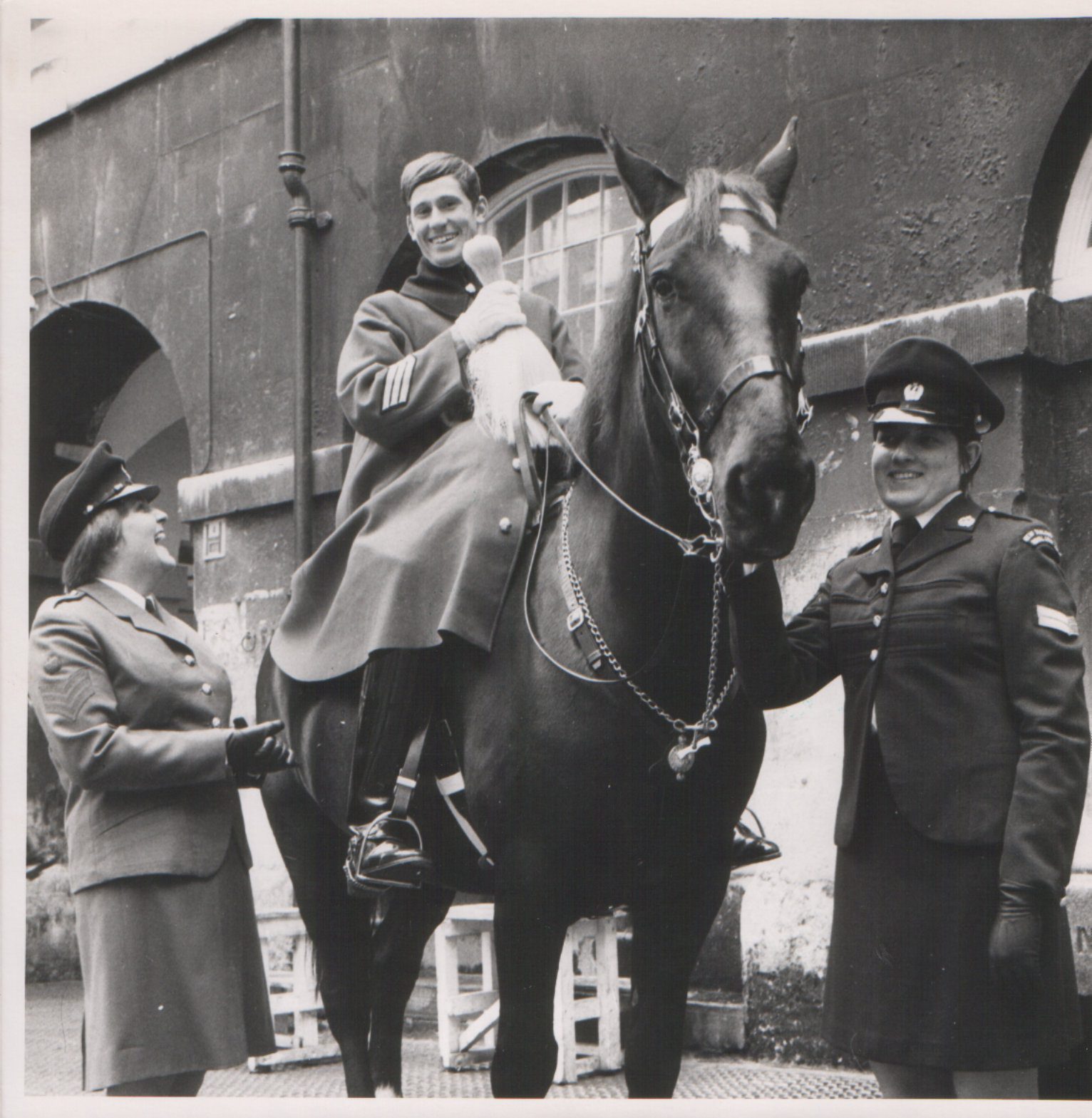
“My Mum was always telling me I was impulsive, and that joining the Army would never last… 23 years later having served in the UK and Cold War Germany and reached the rank of Major, I think I had proved her wrong!”
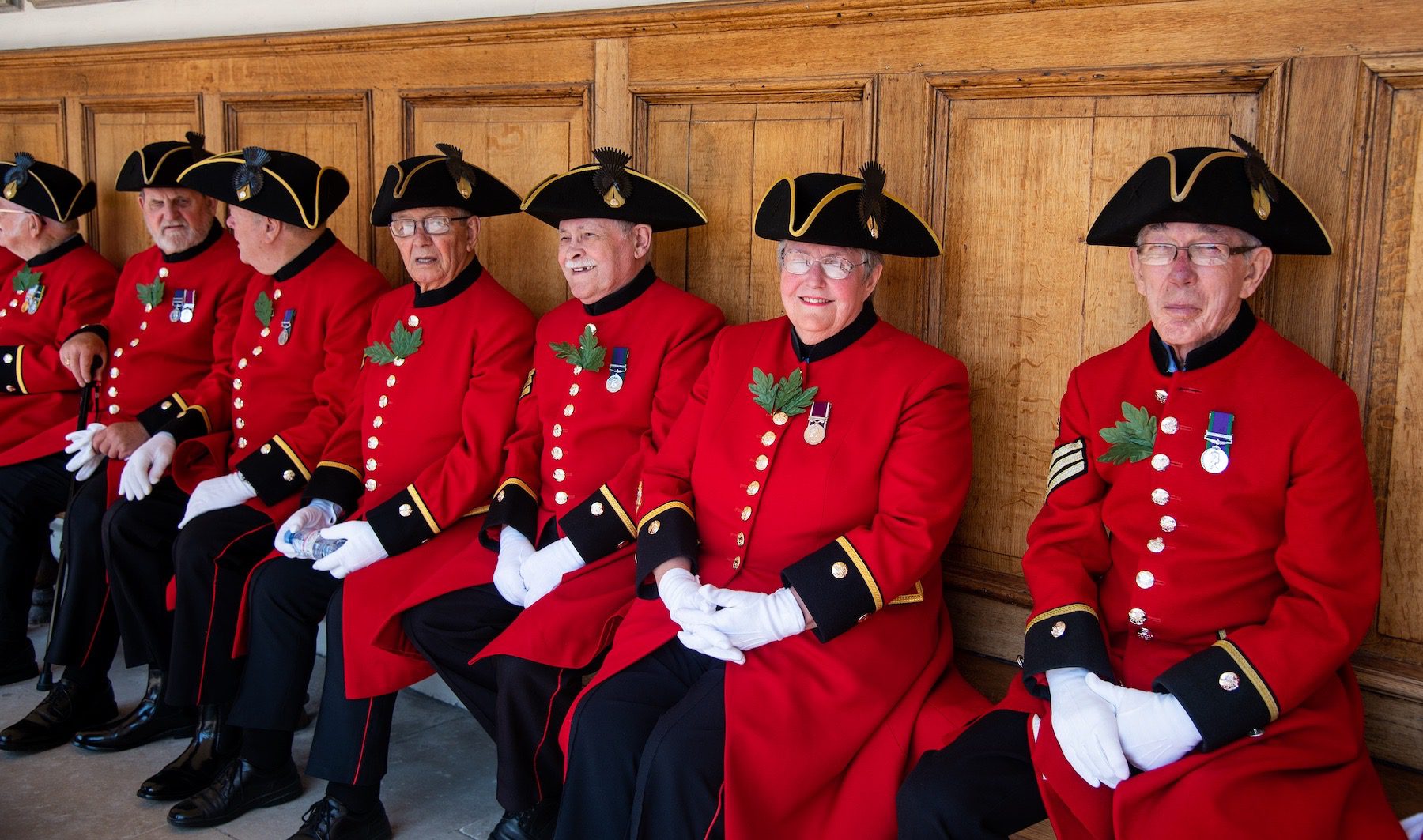
Since leaving the Army Jan opened and ran a successful florist business, but after losing her husband in 2016 and experiencing her own health problems, she applied in 2022 to join the Royal Hospital Chelsea and is now relishing her new life there. Volunteering for all sorts of events, discovery a flair for pottery, singing in the Pensioners choir and acting as an enthusiastic ambassador for the Royal Hospital: “It’s a unique experience and a huge privilege” she says.
Jan finishes our conversation with advice for young women starting out in their military careers today. “Be determined to succeed”, she says. “Work long and hard and seize every opportunity you are offered. You can achieve anything you set your mind to – there is no such word as can’t. It’s sometimes hard to get acceptance by the male populace – as a person rather than a woman, but you need to stand up and be counted. Fight and shine through.”
Which without doubt is what Jan herself has done.
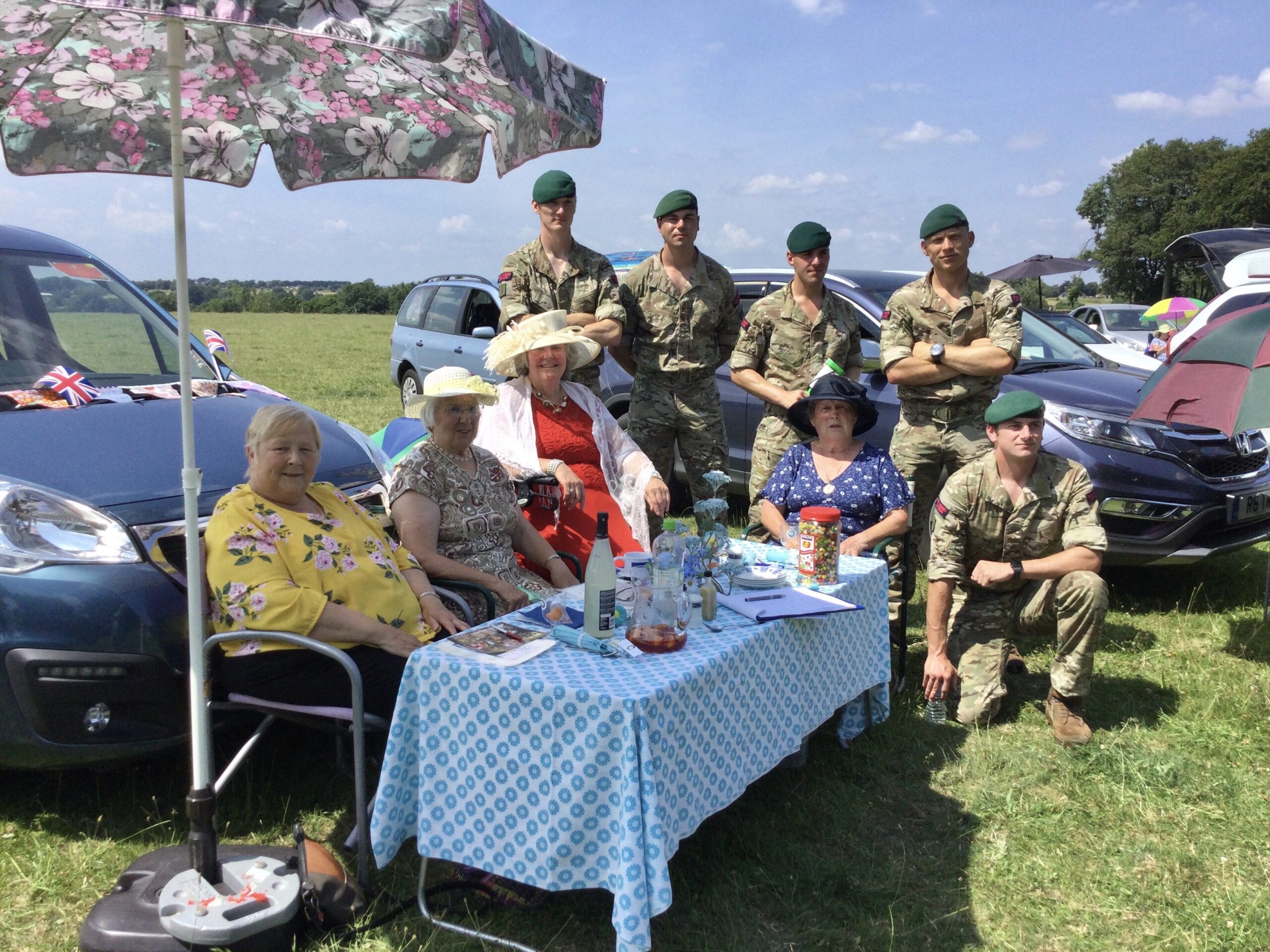
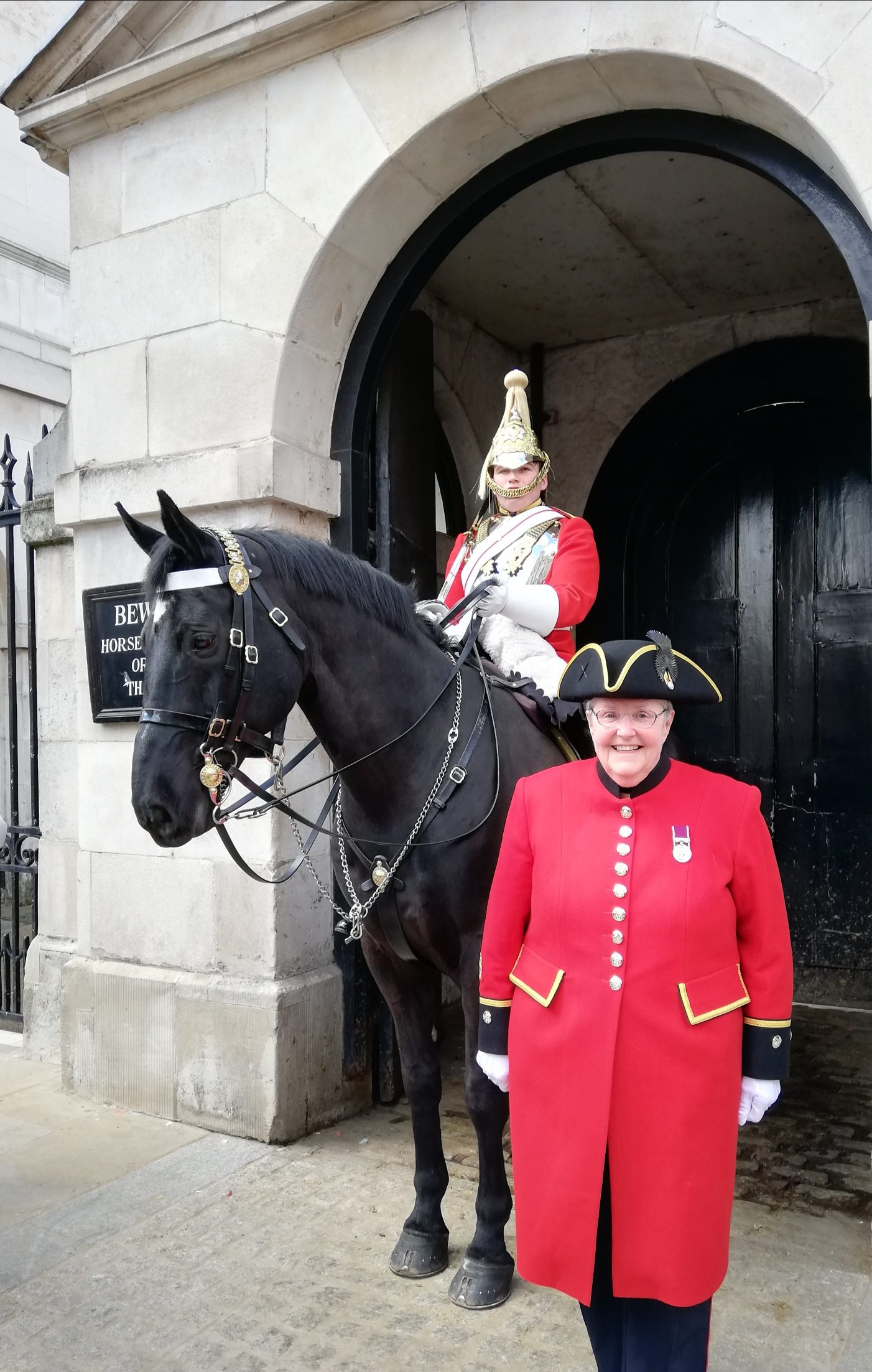
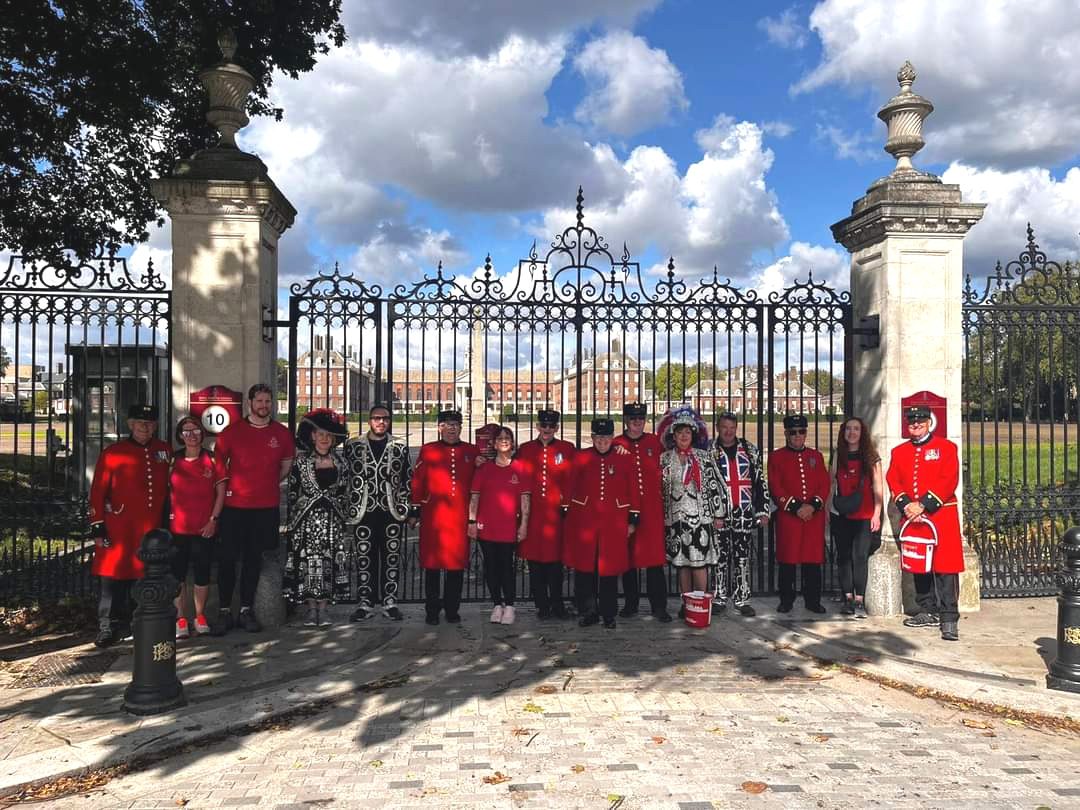
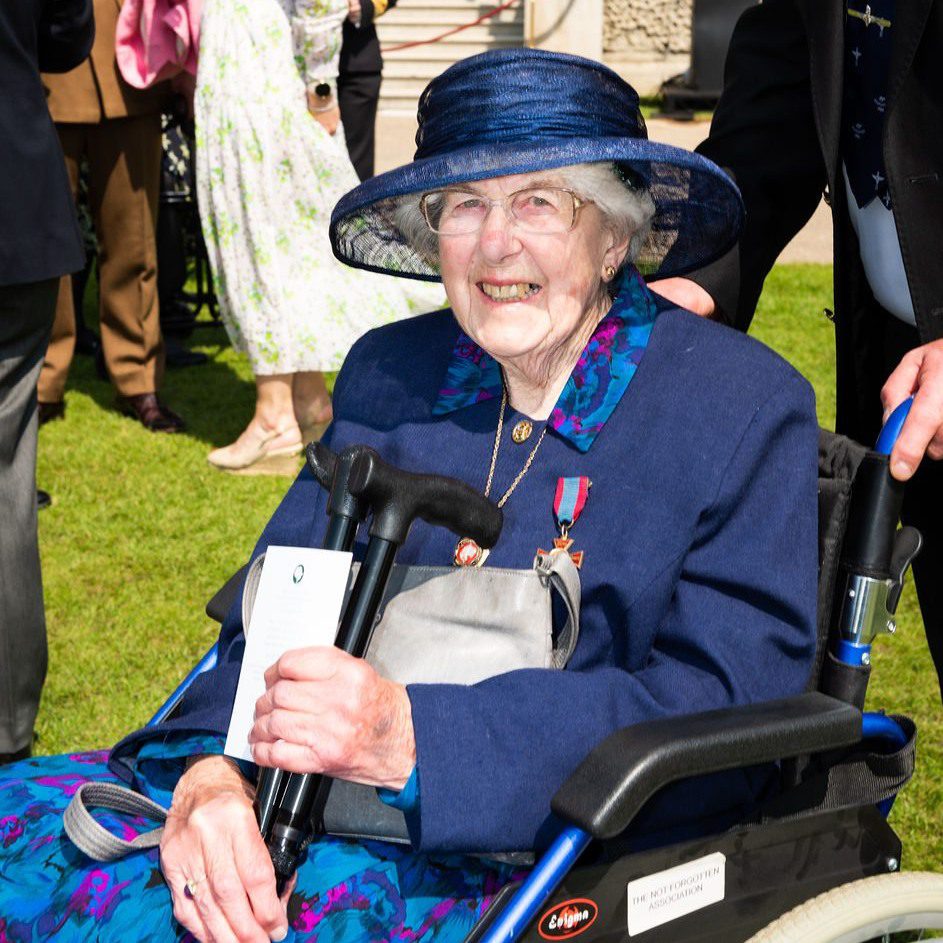
Wing Commander Rosemary Partington (now 91 years young) served for 30 years as a Nursing Officer in the Women’s Royal Air Force (WRAF), from 1952 through to 1988. Over three decades she was posted to Changi in Singapore, Cyprus and Germany as well as closer to home at Princess Mary’s RAF Hospital at RAF Halton.
As a veteran, Rosemary has dedicated many years to volunteering for The Not Forgotten.
Already a trained nurse and midwife when she joined up, Rosemary served initially as staff nurse before promotion after three years to nursing officer.
In the 1950s all WRAF personnel had to be single, and men and women were billeted of course in separate accommodation. But Rosemary saw no issue with this; it was simply "how things were" in a different era.
Crucially, service in the WRAF life gave Rosemary opportunities she would never have had as a female civilian.
“I loved every minute of my service”, she says, “I enjoyed every posting, they were all different but all broadened my horizons. The money might have been poor, but I was able to see the world! From Singapore I visited Sri Lanka, from Cyprus I went to Jerusalem and Lebanon, from Germany I explored Scandinavia. Wonderful!”
Life for women in the RAF today is of course very different - “nurses have degrees now!”, but Rosemary believes RAF life still offers amazing opportunities to broaden horizons, and her advice to young servicewomen today would be to seize every opportunity and whatever challenges come your way: “Just keep going!”

On 31st December The Not Forgotten bade farewell to its outgoing Chairman, Mr David Cowley OBE, who has been the steady hand at the helm of The Not Forgotten for the past eight years and widely involved with the charity for over forty.
As he steps down and hands over the watch, we wanted to pay tribute to a remarkable man and reflect upon the profound impact he has had on the lives of our staff, our partners and our beneficiaries.
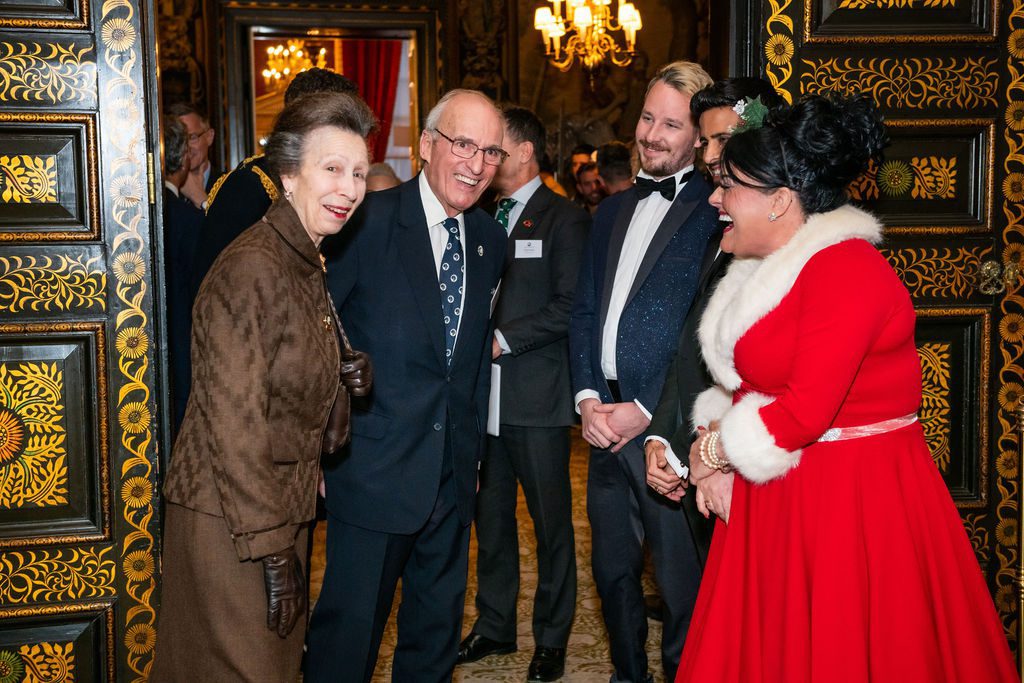
David took over as Chairman of The Not Forgotten in 2015, and has seen the charity through eight years of triumph and challenge; from celebrating our Centenary to piloting us calmly through the shock of a global pandemic. He has patiently advised and guided our Trustees, our Chief Executives and our team at HQ, and engaged personally with thousands of veteran beneficiaries.
Under David’s guidance The Not Forgotten has gone from strength to strength, embracing new ways of working and expanding its reach to ever more veterans all over the UK. He has encouraged a culture of positivity and collaboration, inclusivity and camaraderie far beyond the boardroom; veterans, staff, supporters and partners have all been touched by his wisdom and kindness.
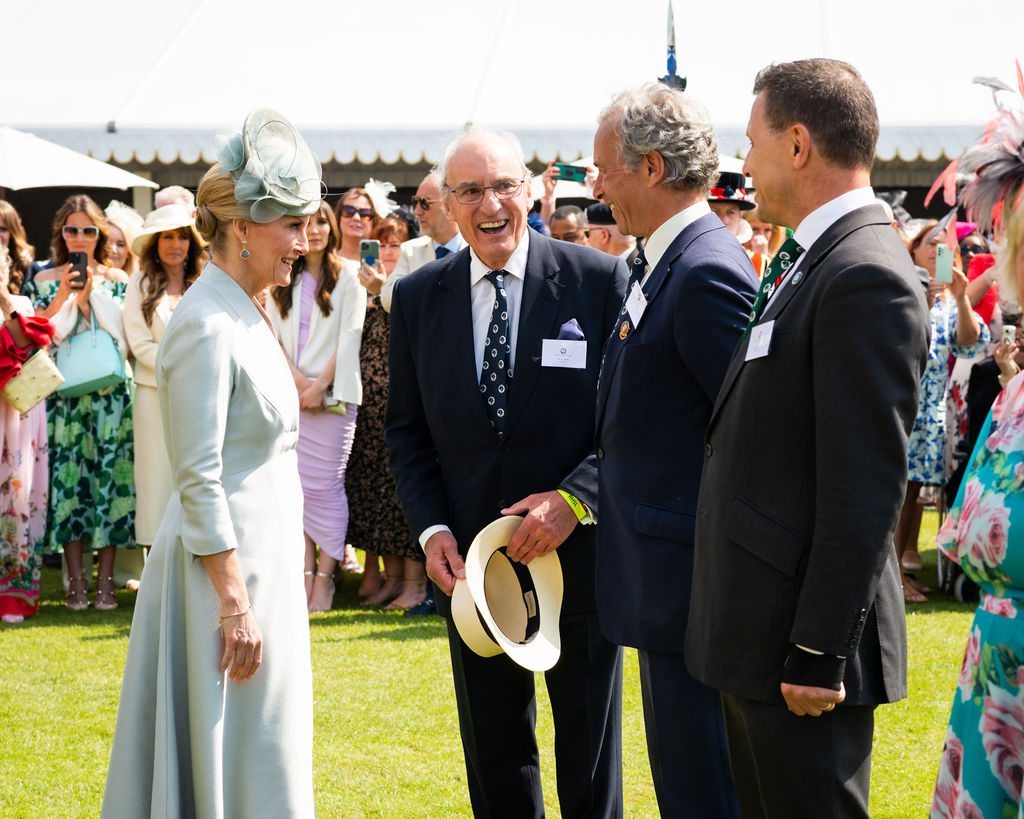
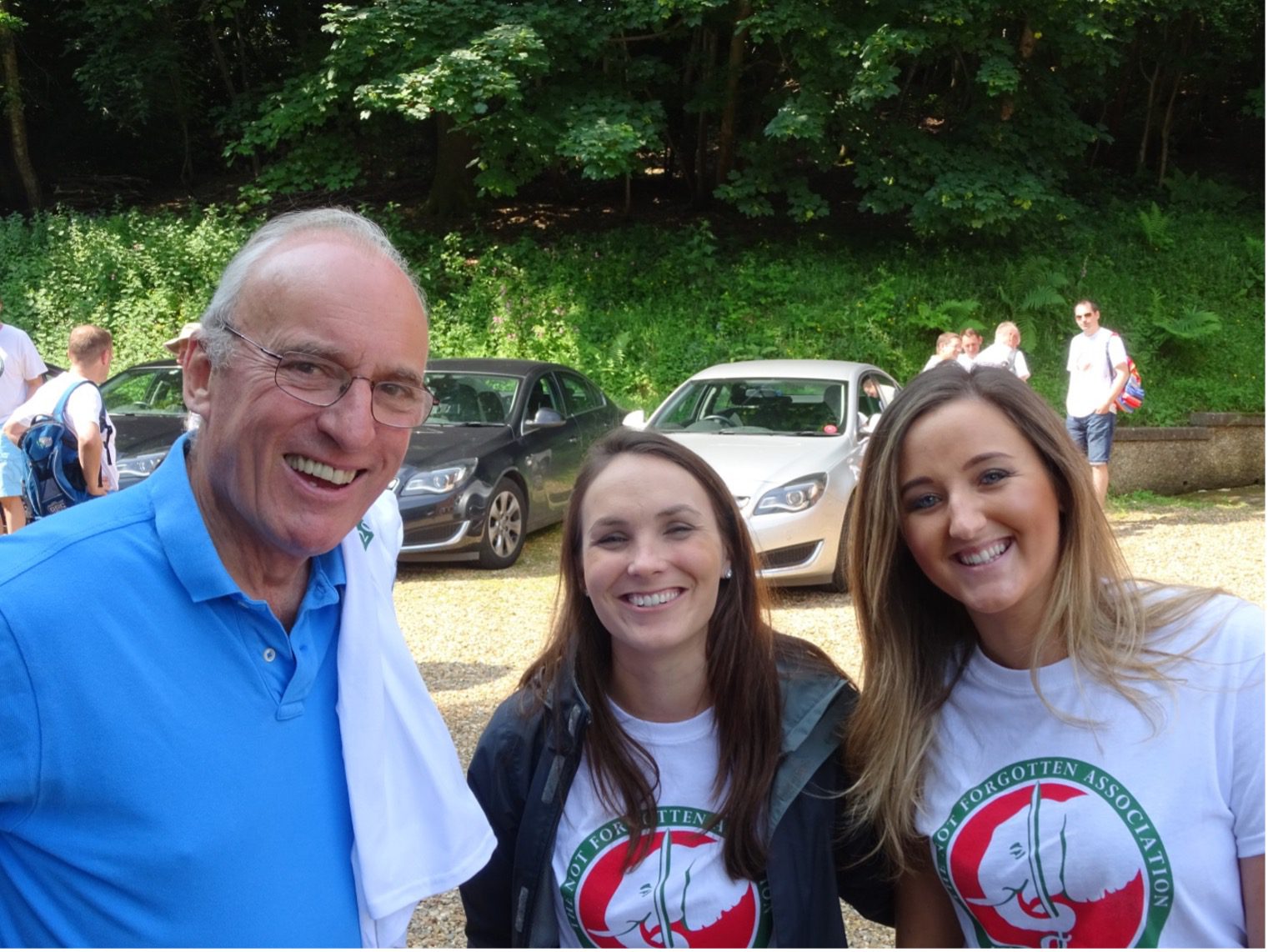
A legacy of which Marta Cunningham herself would be proud
David has overseen and helped foster a very special caring community at The Not Forgotten. Beneficiaries and their families feel part of a loyal and supportive family, and David has contributed significantly to this ethos with his approachability and genuine compassion as Chairman. He has given hours and days of his time to supporting The Not Forgotten office team and been spotted at beneficiary events all year round whatever the setting engaging with the veterans and enjoying their company as much as they his.
In 2016 David deployed on a TNF challenge event to Iceland, joining twenty veteran beneficiaries on a three-day trek across Icelandic terrain - a personal challenge but also a defining moment for David in witnessing first-hand the life-changing (and often lifesaving) impact the charity he loves so dearly has on so many people from all walks of life and military backgrounds.
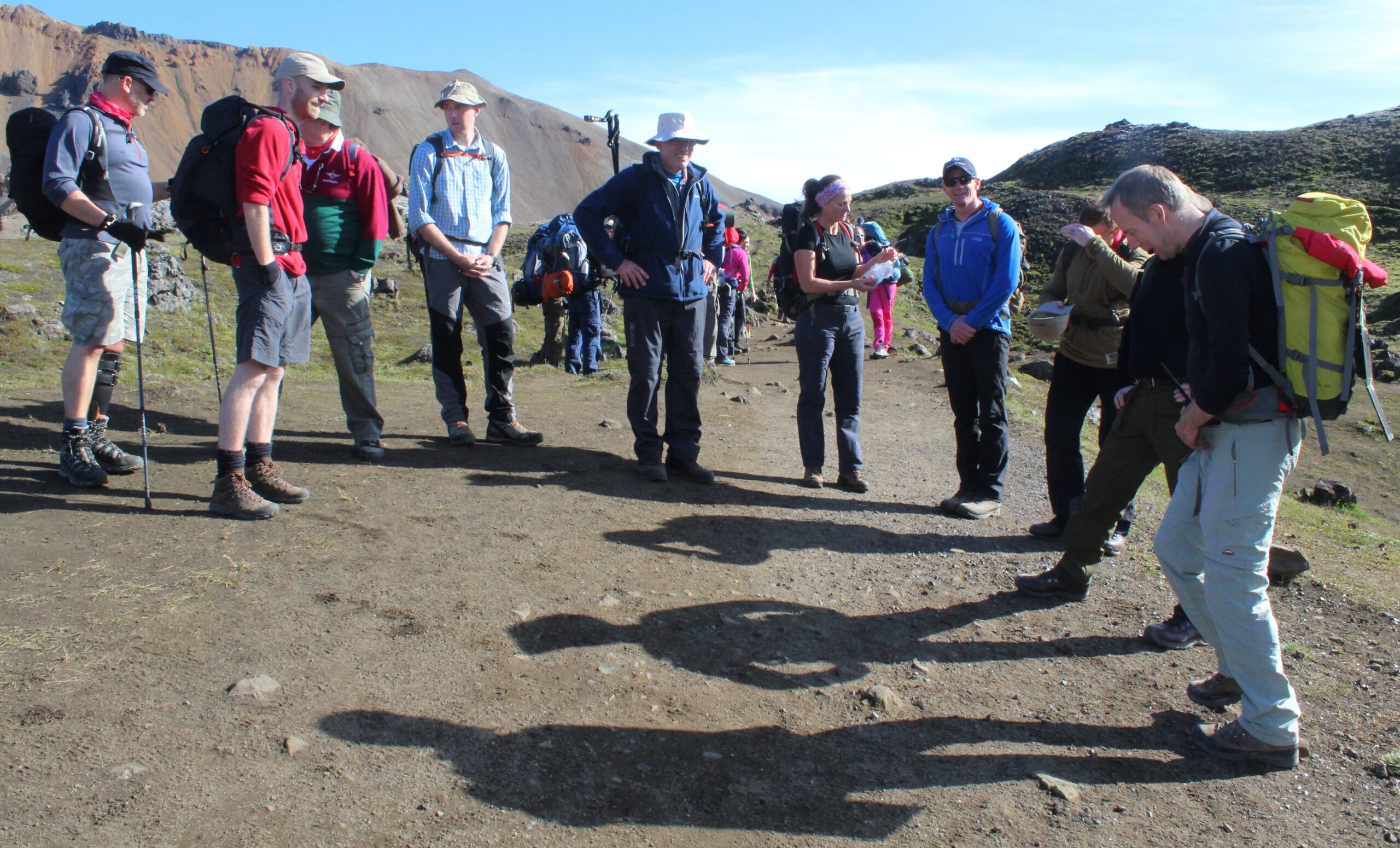
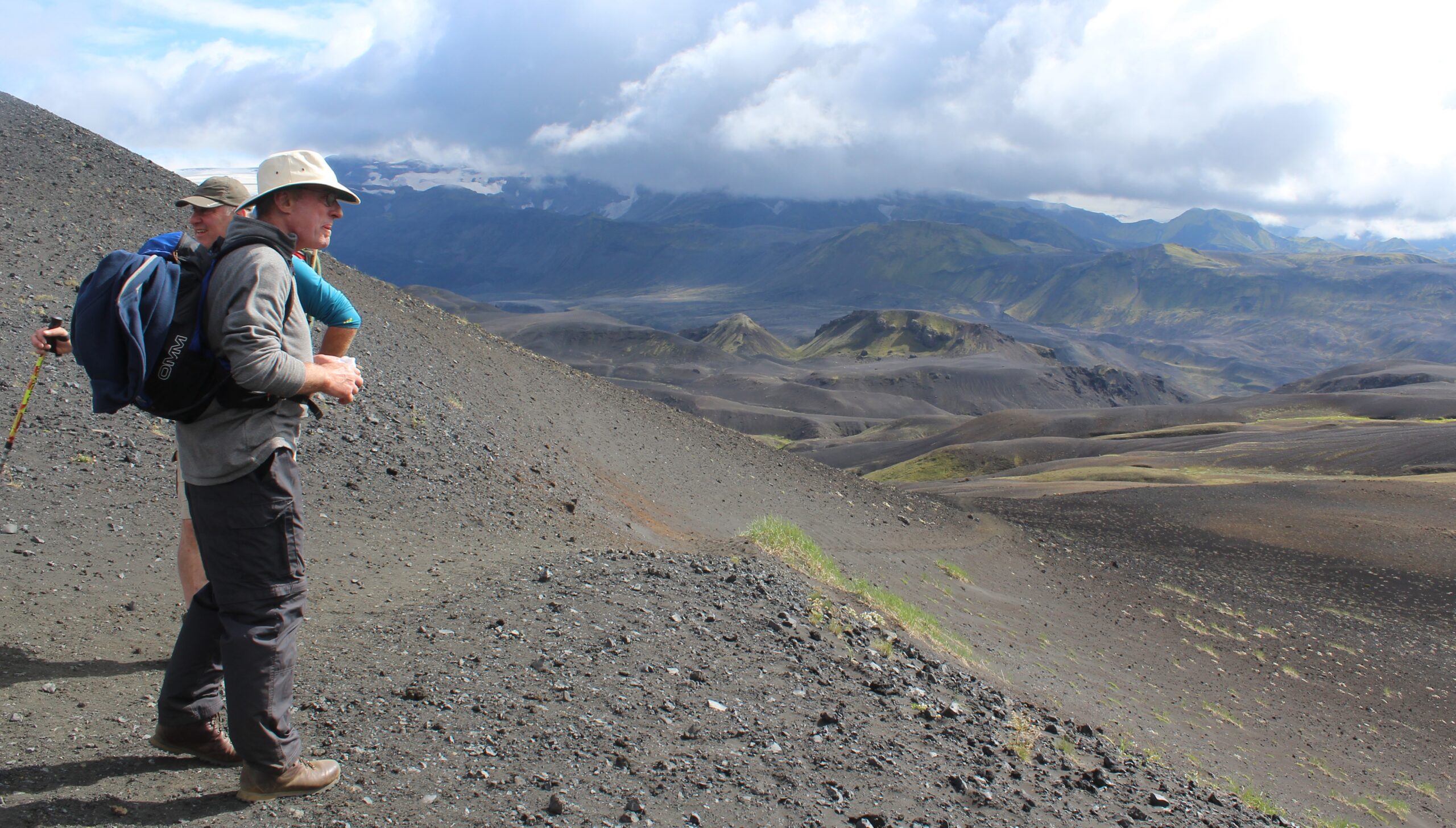
Cementing our legacy and configuring our future.
In 2020 David worked closely with many stakeholders including our Patron HRH the Princess Royal, to appropriately mark the Centenary celebrations of The Not Forgotten, a huge milestone in a distinguished history. At this key moment David reinforced the importance not only of looking back over the past 100 years, but ensuring the charity was configured for the next 100. David has thrived on shaping this, and his guiding emphasis on family, people and impact will drive the charity for years to come.
Of course, TNF’s Centenary brought with it the extra unforeseen shock of a global pandemic hitting the same year. David’s calm leadership at the helm through COVID was vital to the charity carrying on through the challenge of lockdowns. A charity whose mission is to combat isolation and loneliness suddenly had to support its beneficiaries through the most isolating of experiences possible: David’s can-do attitude ensured that while others shut up shop, The Not Forgotten carried on. He motivated the team to rethink and re-set, reaching veterans and delivering events and support despite pandemic restrictions; some initiatives were so successful that they continue to be delivered post-Covid.
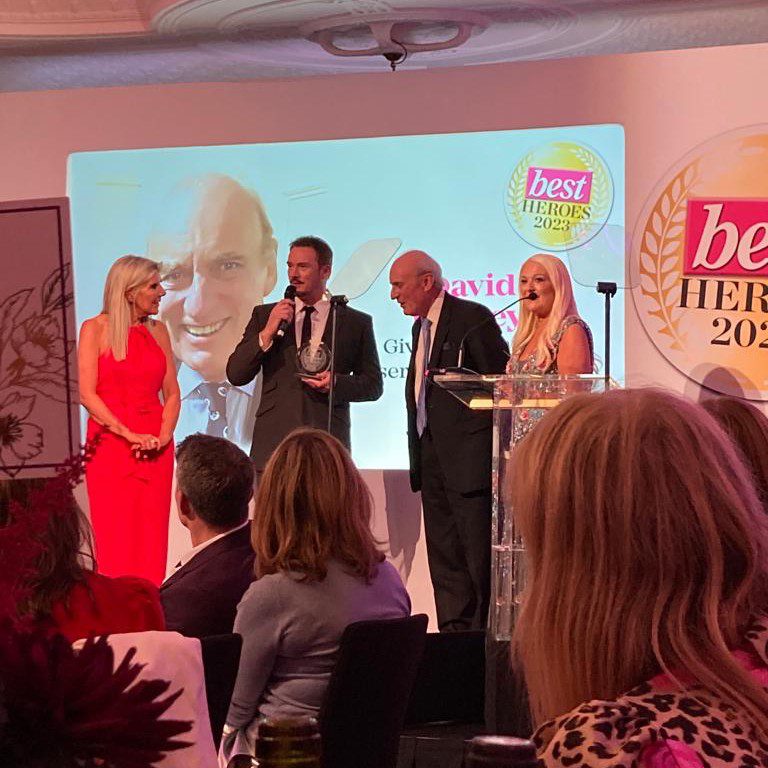
Recognition for his tireless commitment
In the New Year's Honours of 2019 David was appointed an OBE in recognition of his remarkable service to The Not Forgotten for over three decades. In November 2023 he received a 'Best Heroes' Award at a star-studded ceremony, and with typical humility said "The heroes are the men and women we look after; not me. But it is a great and unexpected honour".
This certainly isn't goodbye...
David may be stepping down from his formal role, but he will continue to volunteer his time and expertise: some inspirational events he intends to spearhead are already in the pipeline. He has engineered a smooth handover to his successor Mr Mark Nicholls, and his fellow Trustees and The Not Forgotten team will of course continue to deliver his vision over the coming years.
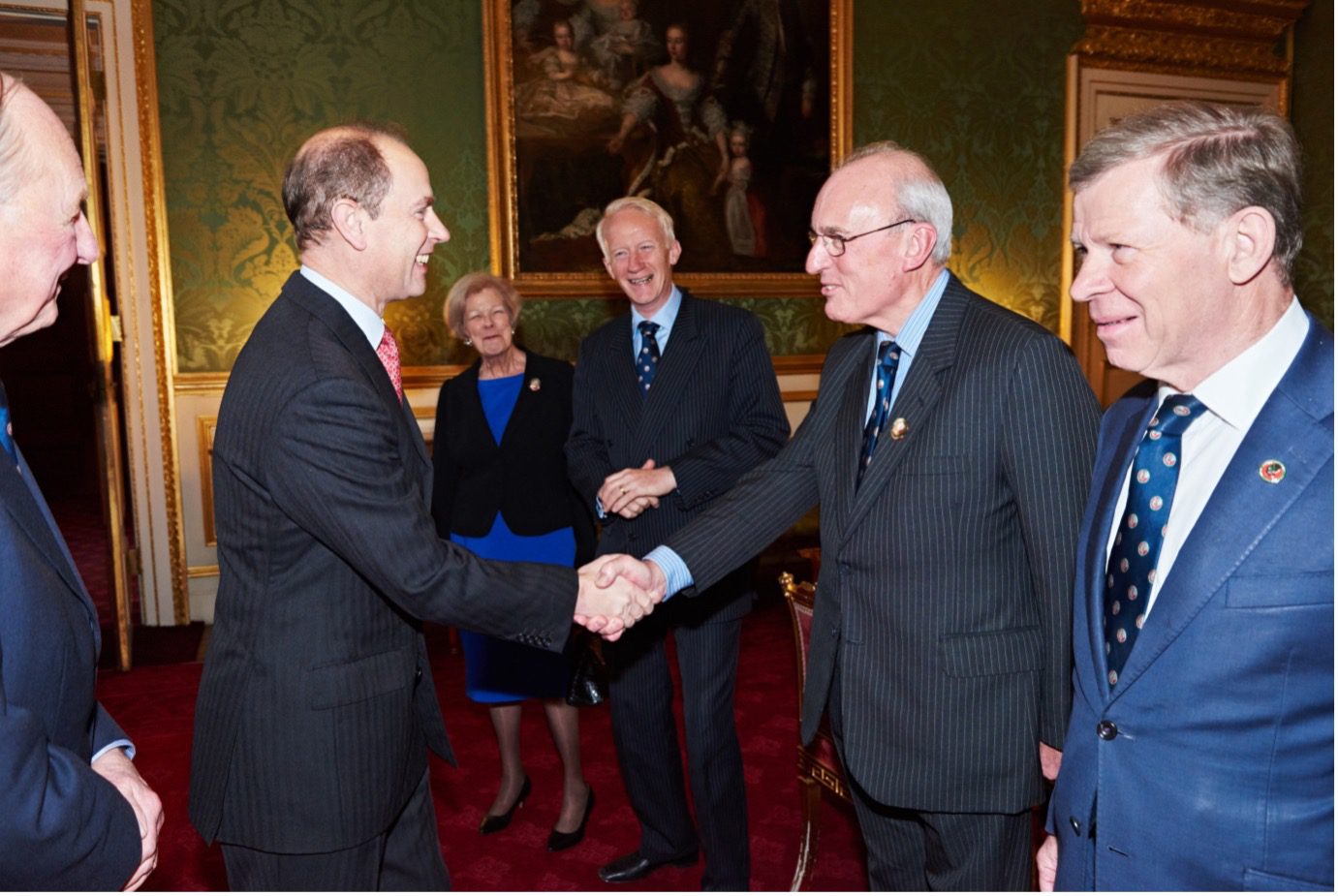
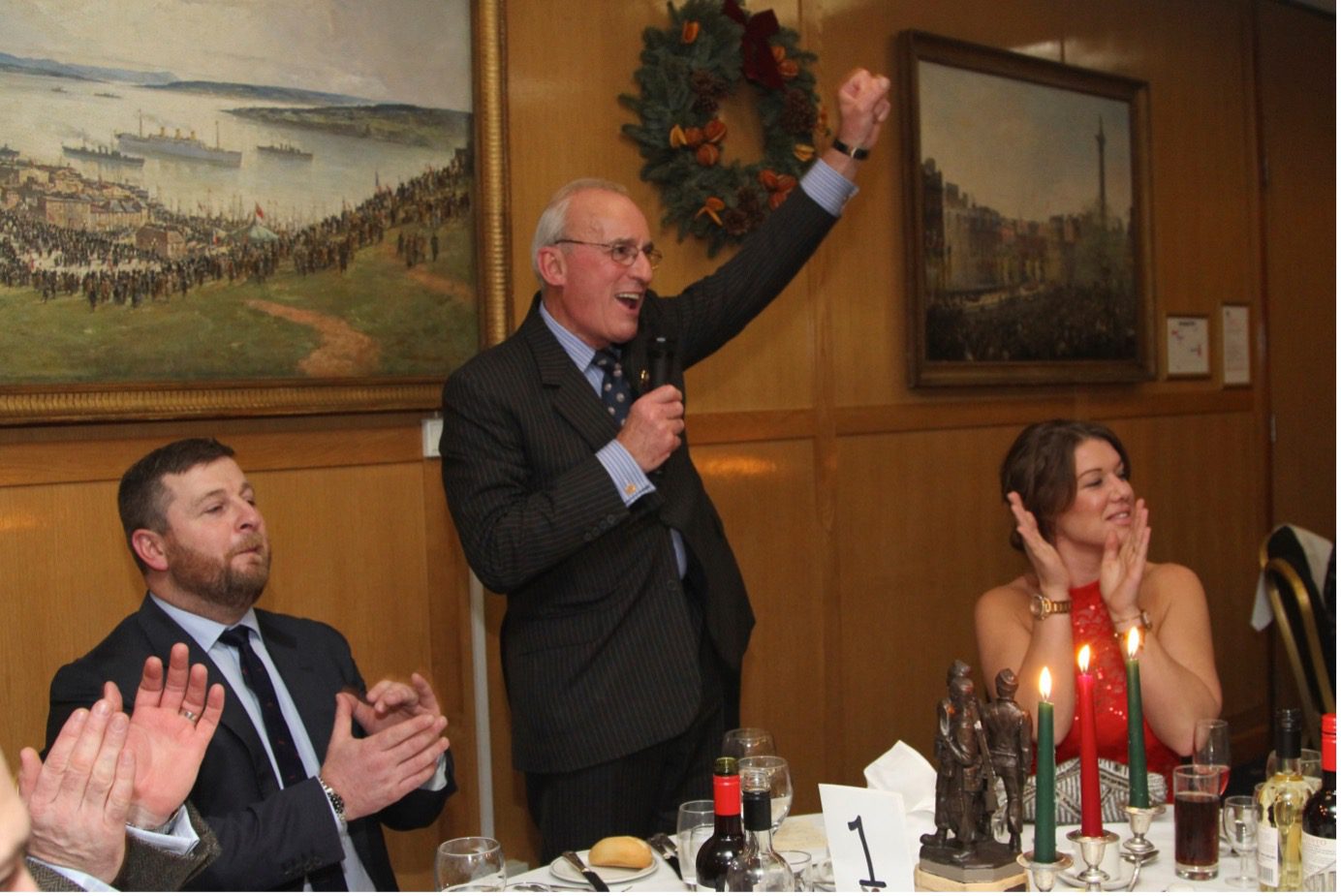
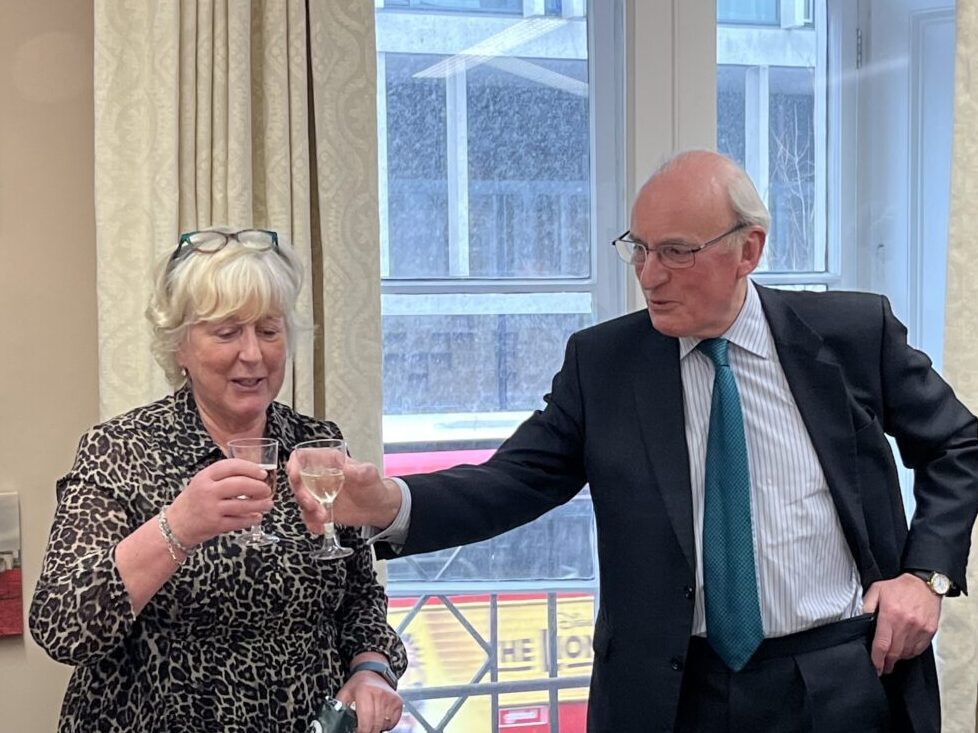
To David - thank you. From everyone whose lives have been touched by your tireless commitment, your steadfast leadership, and your inspirational kindness. From beneficiaries to staff, members of the Royal family to volunteers: we are all beneficiaries of your vision and dedication. As you step away from your duties we hope you enjoy spending a little more time with your family and pursuing your own interests, knowing what a huge difference you have made and how much warmth, joy and fulfilment you have brought to so many lives.
This summer The Not Forgotten gained a new piece of artwork for our office - and it's one with a very moving story behind it.
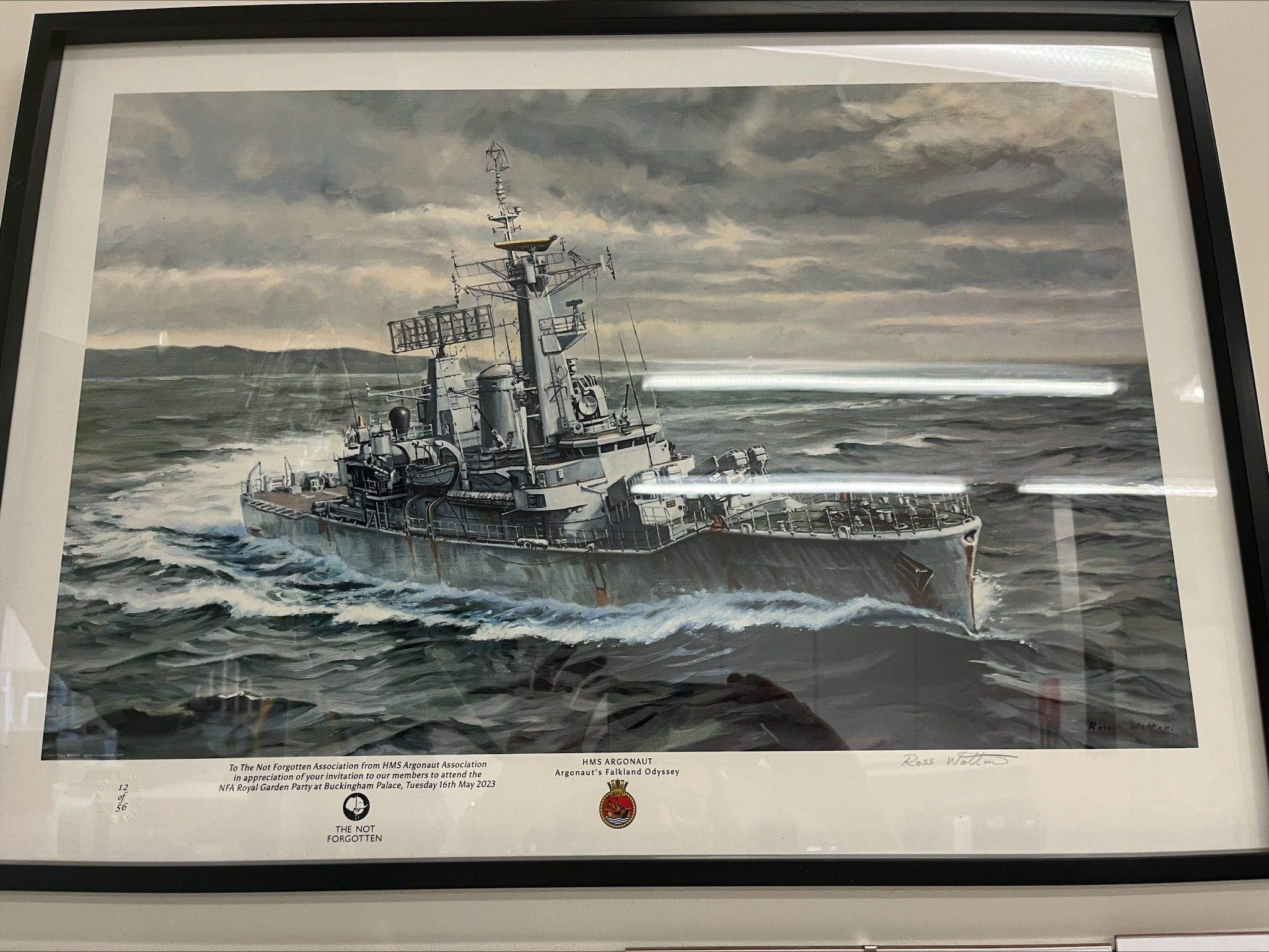
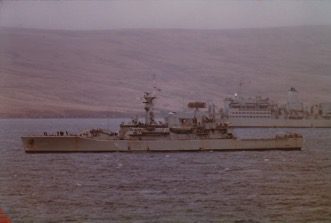
The painting (above) of HMS Argonaut making her way home after sustaining severe damage during the Falklands conflict was painted by Navy veteran Ross Watton and gifted to The Not Forgotten by the HMS Argonaut Association as a thank you for inviting some of their members to The Not Forgotten Garden Party at Buckingham Palace in May 2023.
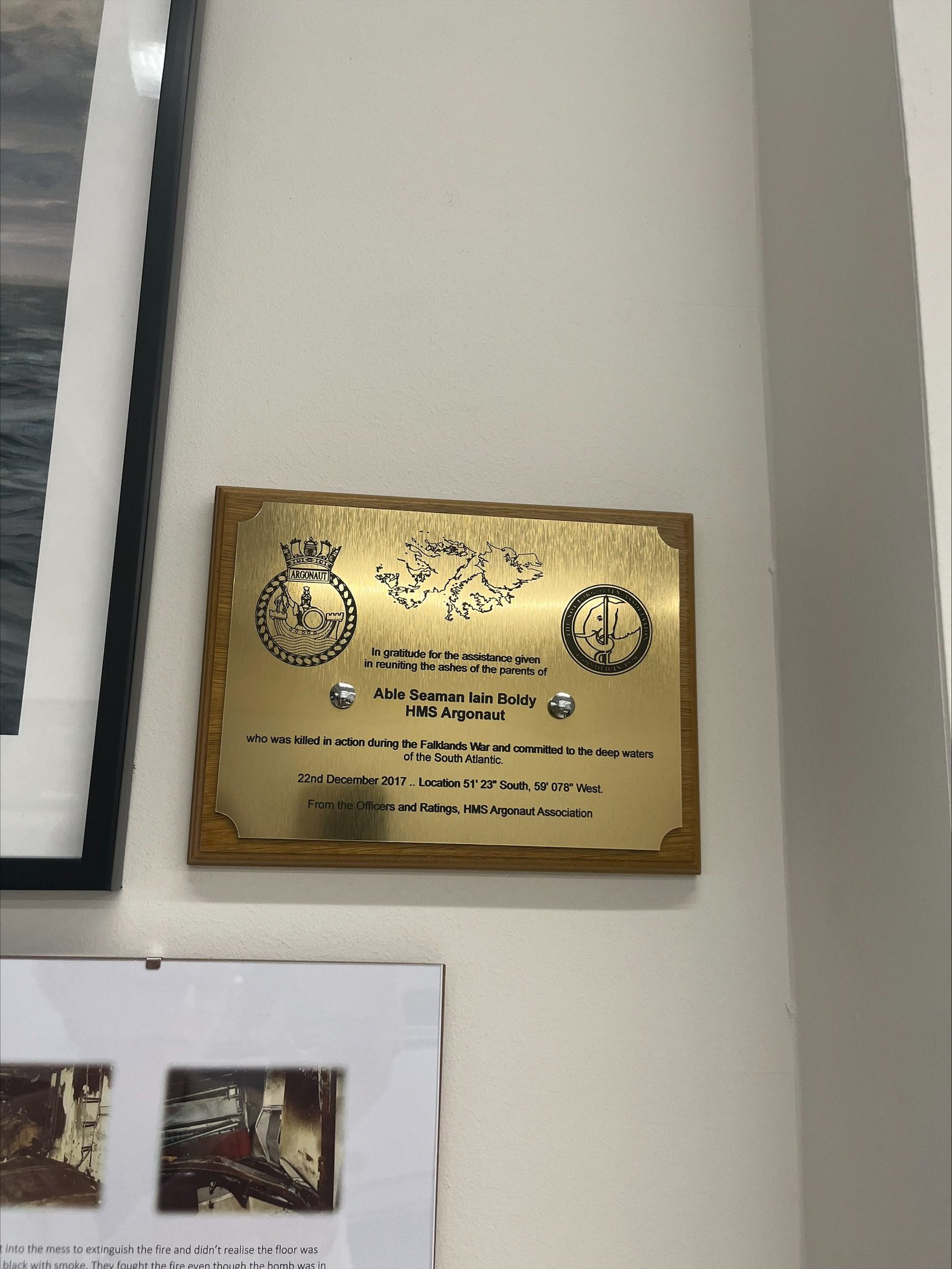
Alongside the painting hangs a plaque dedicated to The Not Forgotten in gratitude for the assistance we gave in spreading the ashes of the parents of Able Seaman Iain Boldy at the spot where their son was killed in action aboard HMS Argonaut during the Falklands War.
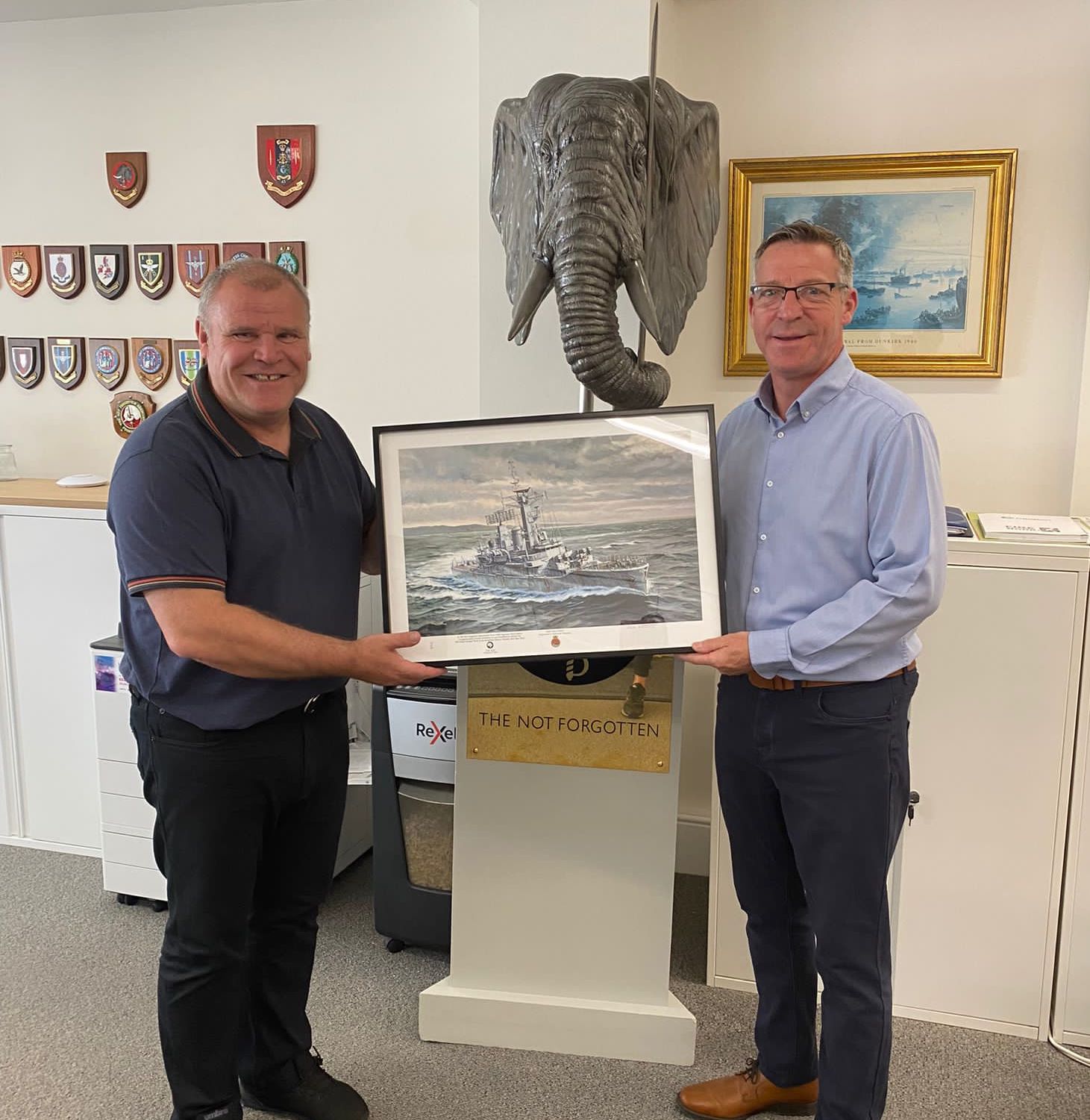
Adrian Fisher from the Association came to present the beautiful painting and plaque to us in July - pictured below presenting it to Steve Bates from the TNF team.
Adrian and one of our beneficiaries Paddy Gallagher, who also served aboard HMS Argonaut, gave us the full moving story behind HMS Argonaut and what she experienced.
[Read the full account below...]
The following is extracted from the book, One Hundred Days: The Memoirs of The Falklands Battle Group Commander, by Admiral Sandy Woodward:
"21 May 1982: Then it began. An Argentinian light attack two-seater jet aircraft, the Italian built Naval Macchi 339, flying at wave-top height along the northern coast, swung suddenly into the narrow entrance to Falkland Sound, going as fast as he could. The first ship he saw was Kit Layman’s Argonaut and he fired all eight of his five inch rockets at the frigate, coming on in low and raking the decks with 30mm cannon shells. One rocket hit the Seacat missile deck area and injured three men - one of whom lost an eye; another, the Master-at-Arms, took a piece of shrapnel one inch above his heart.
The attack had been so swift and sudden that the raider was making his escape away to the south-east before any kind of hardware could be aimed at him. As it was, they had a shot at him with a Blowpipe missile from the deck of Canberra; Intrepid launched a Seacat missile and David Pentreath opened up with 4.5 inch guns of Plymouth. But the Macchi got away doubtless to stagger his High Command with the tale of what he had just seen spread out below him in Carlos Water...
Back in Carlos Water another hour went by before the Argentinians sent in their most lethal and sustained air raid of the day. It would last for just over half an hour and it did great damage. The opening assault was made by six Skyhawks flying extremely low along the north coast, out of sight of all our radars. As swiftly as any of the opening attacks, they came through the narrows at more than five hundred knots. There they found Kit Layman’s Argonaut, from which the crew was desperately trying to evacuate their wounded by helicopter over to Canberra. At the last moment the Argonauts saw them and opened fire with everything they had, but they had no hope whatsoever of stopping all six. Five made it through, dropping a total of ten thousand-pounders, eight of which exploded in the water close to the embattled Leander Class frigate. The other two hit her, but mercifully failed to explode. The first one hit forward, going through a diesel fuel tank and coming to rest in a Seacat magazine, starting a fire and causing considerable structural damage. By the most extraordinary bit of luck, the escaping diesel fuel was cold enough to put the fire out without itself igniting and adding to the fire instead. The second bomb rammed through the bulkhead between the engine room and the boiler room, wrecking the steering mechanism and the reverse gearing.
Argonaut was perilously close to the rocks around Fanning Head and still going ahead with effectively no brakes and no steering. With remarkable presence of mind, Sub-Lieutenant Peter Morgan [D.S.C.] raced off the bridge, collecting a couple of ratings as he went, and managed to let go the anchor, which dragged the three-thousand-tonner to a halt, just short of the shoreline. Seconds later they lost all power, there was almost total devastation in certain parts of the ship and, with two men killed in the magazine, Argonaut’s war was almost over."
The following is an extract from the Ships Log from the 21st May 1982, although it was much more eventful than what was able to be recorded at the time …
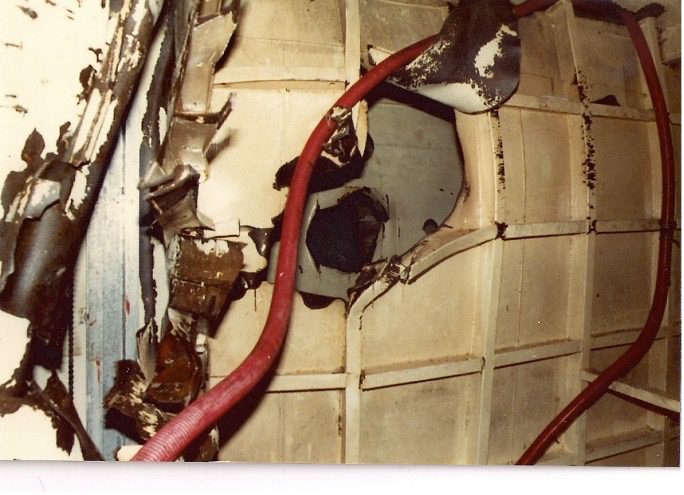
The holes in the ships side where the bombs entered. One midships and the other into the forward Seacat magazine, killing the two lads in there.
At anchor in San Carlos Bay, two unexploded 1000 lb bombs still onboard.
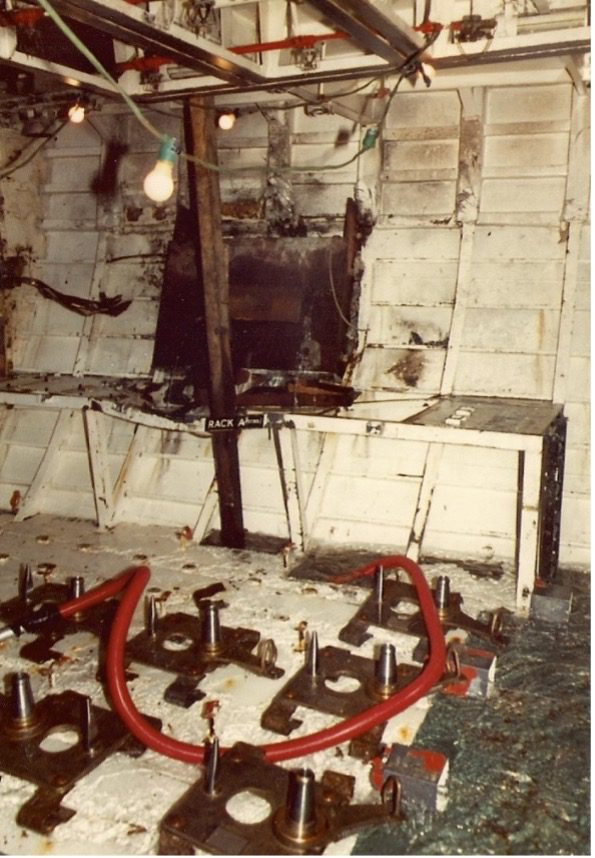
The Seacat missile magazine where one of the bombs came to rest, and the hole through the ship's side.
Able Seaman Iain Boldy and Seaman Matthew Stuart were killed down here.
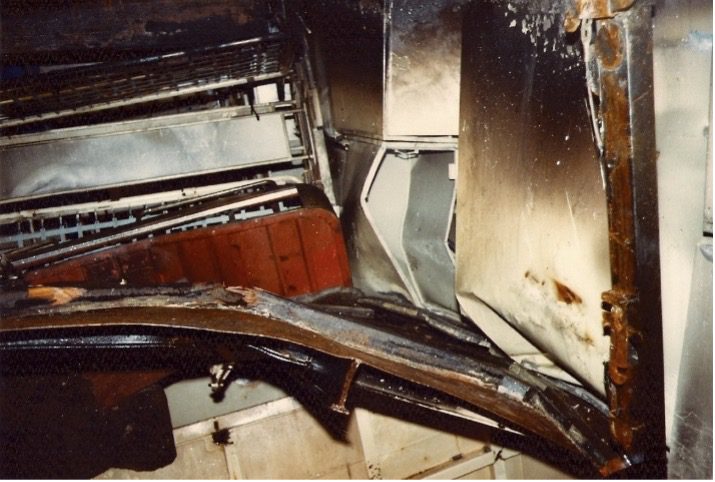
The Mess Deck above the magazine, which buckled as one of the missiles exploded.
The fire was put out by the cold diesel and sea water that came through from a ruptured fuel tank.
The magazine was flooded and it was days before we could get the lads out.
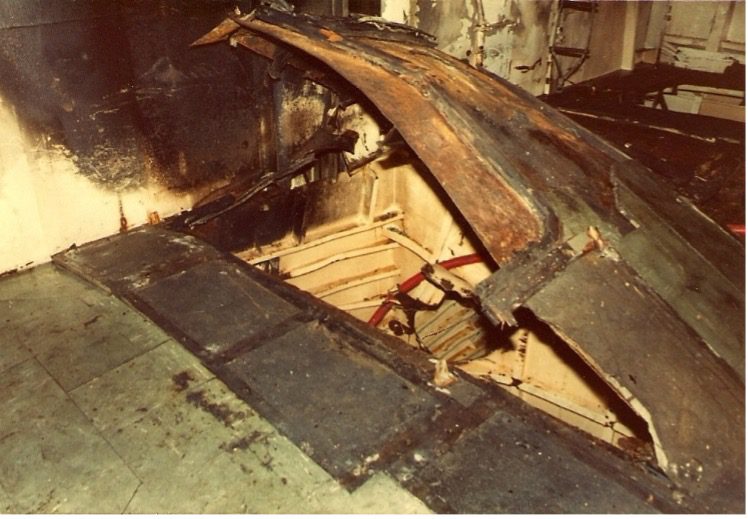
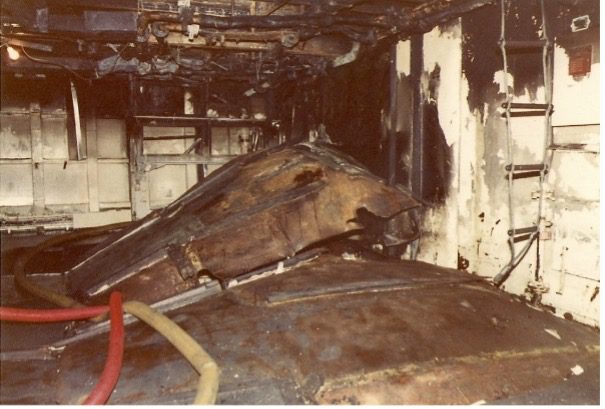
The firefighters went into the Mess to extinguish the fire and didn’t realise the floor was raised as it was pitch black with smoke ….
They fought the fire even though the bomb was still in the flooded compartment below them.
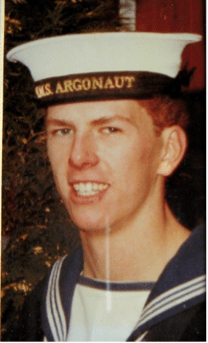
Iain Boldy.
Iain was 20 years old when he died; he had only got married in March.
Buried at sea – 51 23S 59 078W
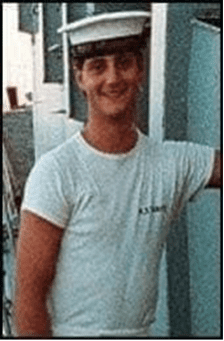
Matthew Stuart.
Tragically, Argonaut was hit on Matthew's 18th birthday.
Buried at sea – 51 23S 59 078W
We will remember them.
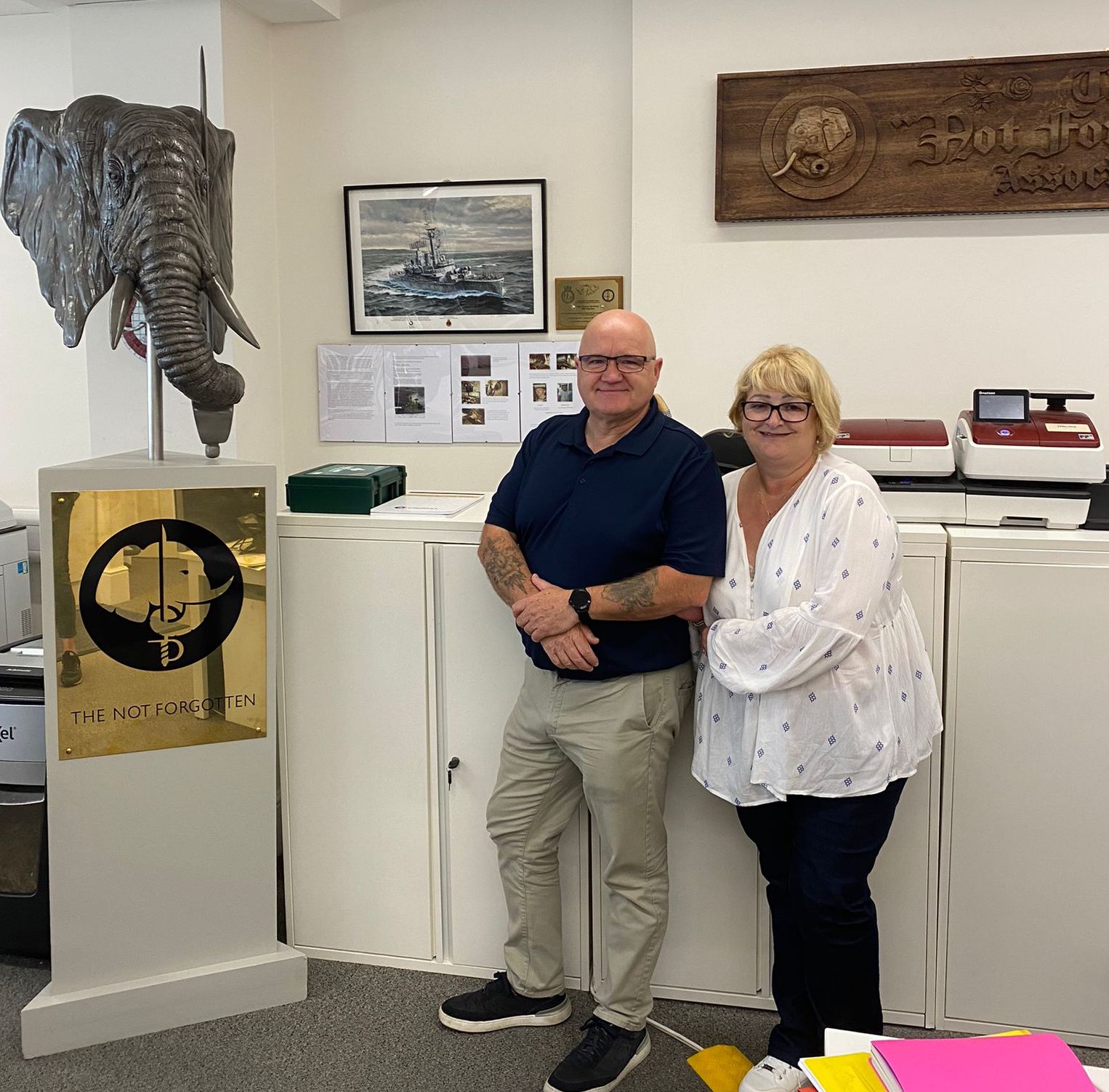
Argonaut veteran Paddy Gallagher with his wife Shirley, who came to see the painting, plaque and background story hung in pride of place in our office, next to our elephant statue.
Our deepest thanks to Adrian, Paddy, and the entire HMS Argonaut Association.
We are delighted to announce that ABF The Soldier's Charity has awarded an £80,000 grant to The Not Forgotten to help us continue to fund our entertainment and recreational events in the UK for sick and wounded Army veterans and serving soldiers.
The grant will go towards funding our operational costs and tailored programme of entertainment events for military veterans and injured serving personnel, including annual Royal Parties at Buckingham Palace and St James’s Palace and major sporting events.
Brigadier (Ret’d) Peter Monteith, Chief Operating Officer of ABF The Soldiers’ Charity, said:
“Our charity promotes the mental health and wellbeing of Army veterans and serving soldiers as a priority. We enjoy a long-standing funding partnership with The Not Forgotten which has been providing a generous service to Army veterans for over a hundred years.”
We are deeply grateful for ABF's continuing financial support, and wish to send them a huge heartfelt thank you for this generous grant.
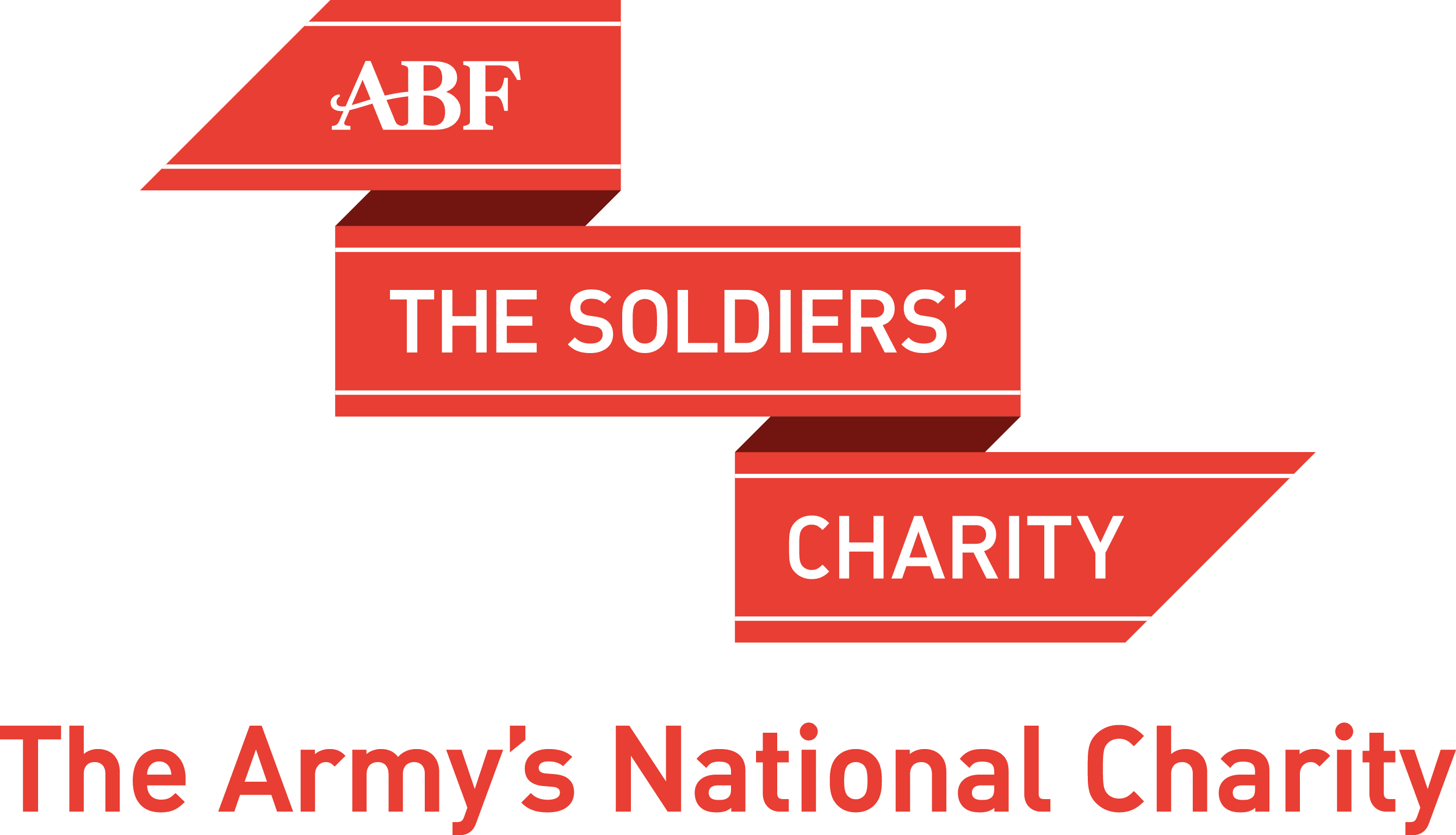
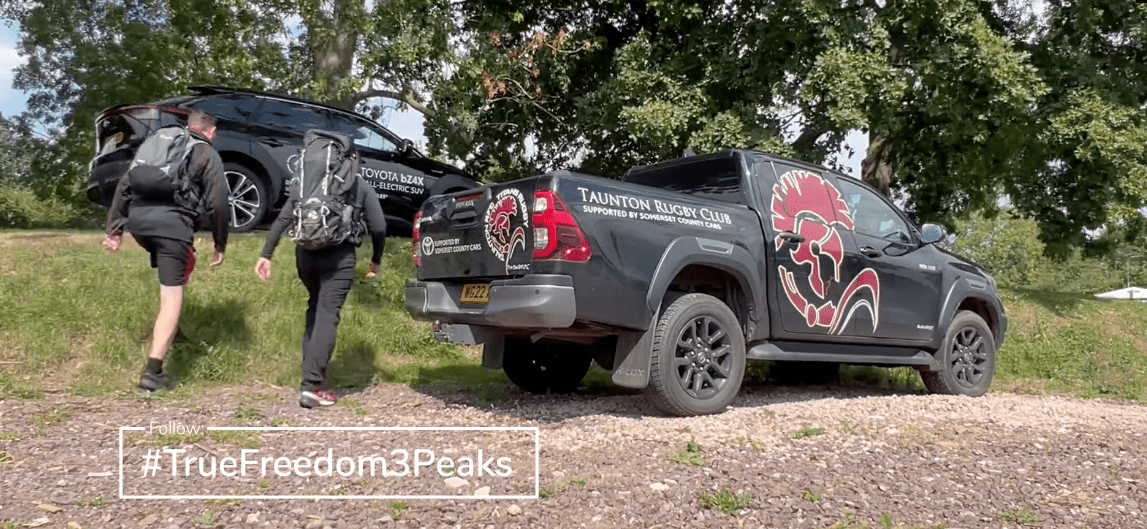
A remarkable adventure is on the horizon for a team from Somerset County Cars, Taunton Titans Rugby Football Club and veterans of the UK armed forces.
In the Toyota True Freedom 3 Peaks Challenge, the team are gearing up to take on the awe-inspiring heights of Ben Nevis, Scafell Pike, and Mount Snowdon for a six-day expedition, all in the name of supporting a very special veterans’ charity, The Not Forgotten.
The Toyota True Freedom 3 Peaks Challenge is a test of resilience, camaraderie, the opportunity to prove EV Mobility and a heartfelt commitment to a very worthwhile cause. As the team push their physical and mental limits, they aim to conquer these three majestic peaks while raising awareness and funds for The Not Forgotten, an organisation that supports over 10,000 injured or sick armed forces veterans and serving military personnel every year.
"We are thrilled to announce the Toyota True Freedom 3 Peaks Challenge, where we join hands with Somerset County Cars, Taunton Titans, armed forces veterans, and beneficiaries to undertake this incredible journey," said Richard Walker OBE, Chief Executive of The Not Forgotten.
Adding to his comments, Jason Lafferty, Managing Director of Somerset Cars Group commented,
"This challenge is a testament to the power of unity and determination, and along with all those involved, we are proud to contribute to The Not Forgotten's hugely important and valuable work."
The challenge will span six days of breathtaking landscapes, strenuous hiking, and heartwarming stories of the personal endurance and bravery of veterans, which will be shared on each of Somerset County Cars social media pages.
The team aim to raise £20,000 through their endeavour, which will make a significant difference in the lives of those who have served and sacrificed for their countries.
To donate please go to https://www.justgiving.com/page/scc-1691488041411
Follow the team's journey on social media: #TrueFreedom3Peaks
Inspirational team of veterans ‘Team Forces of Nature’ complete their epic 2,000km kayak expedition up the Inside Passage of Canada and Alaska.
At midnight last night, a team of injured British veterans made landfall in Skagway, Alaska, to complete an extraordinary 2,000km fundraising adventure kayaking unsupported from Washington through British Columbia into Alaska: an infamous route known as the ‘Inside Passage’ - with a forbidding coastline, unpredictable waters and dangerous weather and wildlife.
Their aim: to encourage all veterans to strive daily for their personal goals and refuse to be limited by their injuries or trauma; at the same time raising vital funds for veterans’ charity The Not Forgotten.
The Stats:
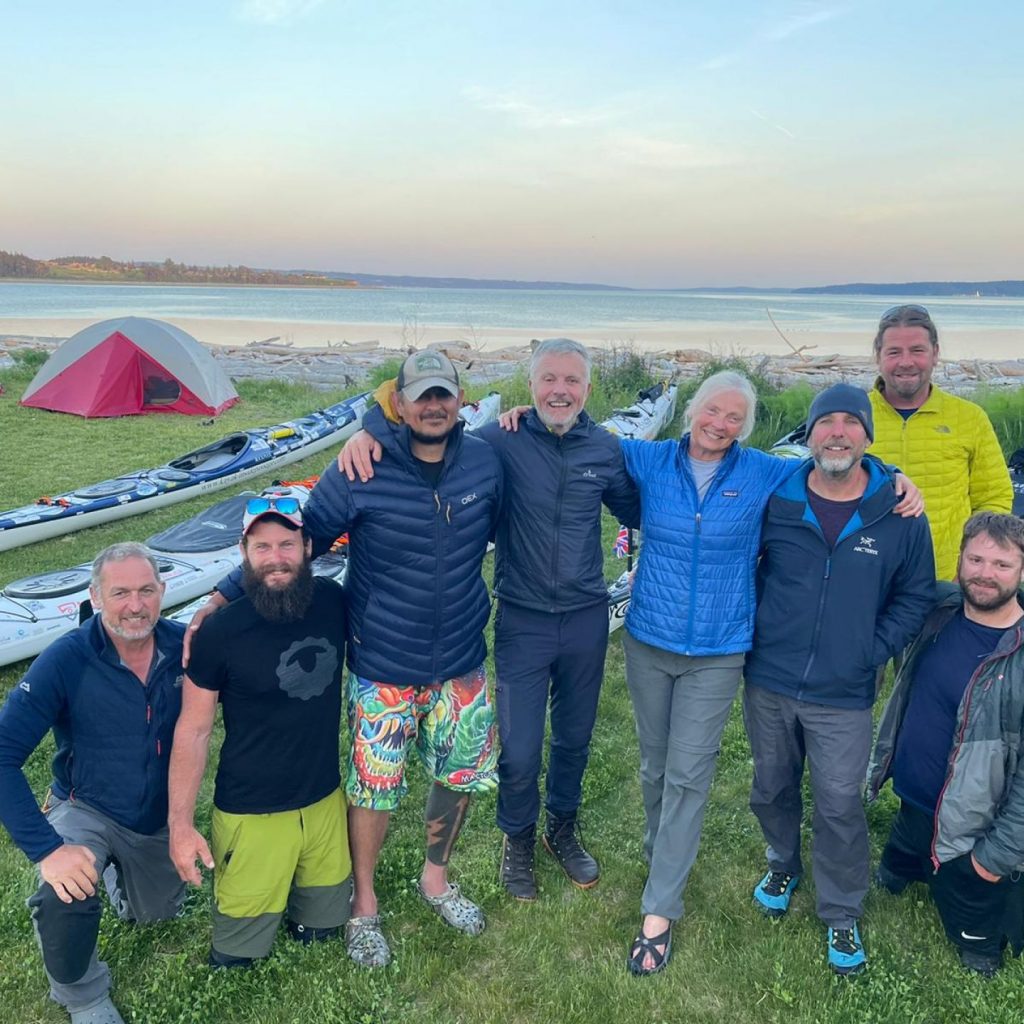
Team Forces of Nature: 8 men – 2 able bodied civilians and six veterans who served in the Falklands, Northern Ireland, Iraq and Afghanistan (over 100 years of military service between them); now living with a variety of injuries: head/abdomen gunshot wounds, above-knee amputations, viral-induced paralysis and PTSD.
4.5 years in the planning.
6 kayaks, carrying not just the team but all their kayaking and camping equipment, food and medical supplies.
86 days since they left their start point of Steilacoom, near Seattle.
1,995 km paddled (1,240 miles)
Significant amounts of money and awareness raised for The Not Forgotten, a remarkable charity close to the team’s hearts.

The Story:
Four years in the planning…
Team Forces of Nature have trained for their expedition for over four years. Their first plan to kayak the Amazon blocked by the pandemic, they refocussed on Canada and Alaska as another of the world’s most challenging kayak routes. Following many months kayak training alongside rigorous medical, safety and navigational practice, the team finally set off for Washington State (USA) where their spectacular route would begin.
Setting out into the wilderness
After a week’s delay while their kayaks and supplies were held up in transit, the men finally struck out from dry land at Steilacoom in Washington State on 7th May 2023, and soon crossed into Canadian waters, navigating up the coast of British Columbia at the rate of around 24km a day.
An extraordinary physical and mental challenge
The challenges of the expedition have been brutal: freezing water temperatures, glaciers, rip tides, rapids, whirlpools and 5-6ft swell, illness, equipment failure, howling winds, lashing rain and fog, the very real threat of bears, minimal food supplies, almost unrelenting physical pain, and the mental battle to keep pushing on through adversity, low spirits or at times boredom.
Two of the team being double amputees has presented further risk and challenge, with specially designed kayaking prosthetics and well-practised emergency procedures. Other team members struggle daily with PTSD and head injuries affecting mental processing. Not a mean feat to set out unaided through the wilderness – but a challenge these seasoned explorers simply relished.
With spectacular rewards
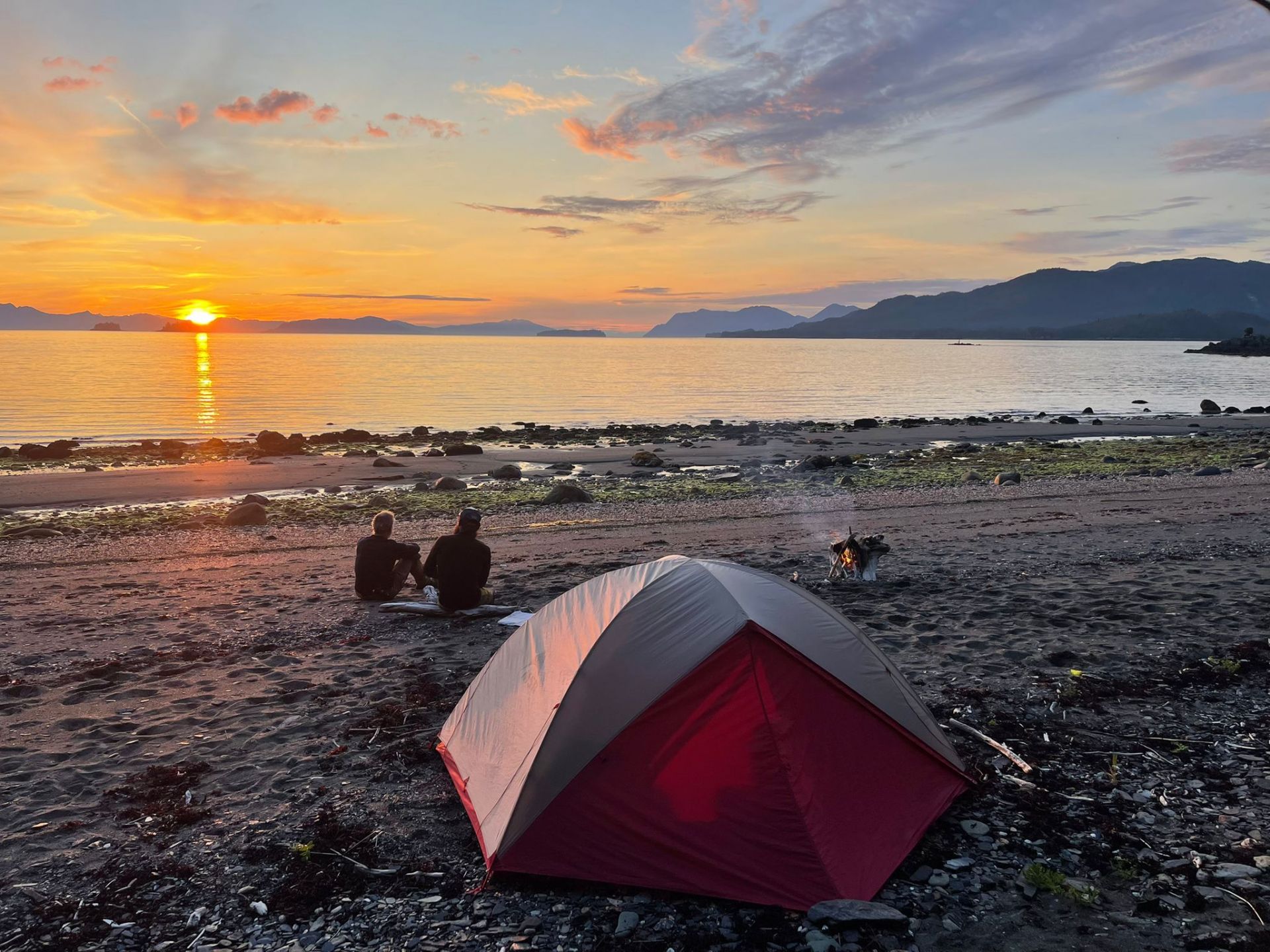
Set against such hardship have been the truly spectacular rewards: the breathtaking beauty of the landscape, stunning sunrises and sunsets, a transformative evening spent with the Heiltsuk Nation peoples, frequent kindness from strangers encountered along the way, and astonishing close-up encounters with wildlife from eagles to otters, bears to orcas and humpback whales. Combined with the almost inestimable feeling of belonging to an extraordinary team striving together towards a life-affirming goal.
Sheer mental resilience
The mental resilience the men have all developed throughout their experience has surprised even themselves. The mental strength to not only embrace an endurance adventure that few of us would dream of, but to keep going over almost three months forcing yourself to get up and repack the kit each morning whatever the weather conditions, keep negative thoughts, homesickness, frustration and tensions at bay and put perhaps 19,000 paddle strokes a day – through dangerous situations or through the draining monotony of pulling against tides to travel exhaustingly small distances.
To know that you have conquered all of that as well as experiencing all the highs and rewards: truly life-affirming.
From tough decisions to triumph
Sadly for the team, the delay to their departure on Day 1 altered all their timings and at Day 72 forced a difficult decision. Five of the men took the very tough call to leave the expedition at that point with heavy hearts to return home to job and family commitments. Three remained, dedicated to carrying on to finish the epic challenge on behalf of the entire team. Theo, Cayle and Marty completed the final two weeks, conquering icebergs, rip tides and thunderstorms to arrive triumphantly into Skagway at midnight last night.
In their own words:
"Why paddle the Inside Passage? To dance along the edge of control and disaster. Learning the skills and discipline to take on these environments and test yourself, to push further than you thought you could. To work as team, having each other’s back when the going gets tough, fulfilling that desire to achieve in the harshest environments...."
“As we turned to the headlands the sun started to break through: what a sight to behold. This golden staircase appeared on the water through snow-capped mountains; misty outcrops of ragged coastlines – we took a couple of minutes just taking in this beauty, lost in the moment just ‘being’, and feeling kinship with explorers and kayakers past and present…”
“The little voice in your head, that flurry of negative thoughts, that little whisper becomes a scream that tries to drown out everything else. You can either listen to that scream or do something about it. The body is a machine that you tell what to do and it will listen and those fibres, sinew and muscles will act accordingly. So you tell the machine what to do: you will put that paddle into the water, you will push with your leg, you will rotate and you will do it until I tell you we are at the campsite. Feel the connectivity with the kayak, feel the waves, breathe, relax, get yourself back into your cadence, keep the momentum. Look at what you achieved so far! Look at the beauty in everything. Give yourself credit. Time to smile, be a better person than yesterday.”
“We have come so far and have created a bond over the last four and half years in training and preparation. The team stepped up to this challenge not knowing how to kayak, navigate the sea and coastline, or live out of a boat. For the majority, no experience of endurance adventures. With injuries and illness that would hinder most even to dream of taking on such a demanding task. These guys have repeatedly proven, they have what it takes.”
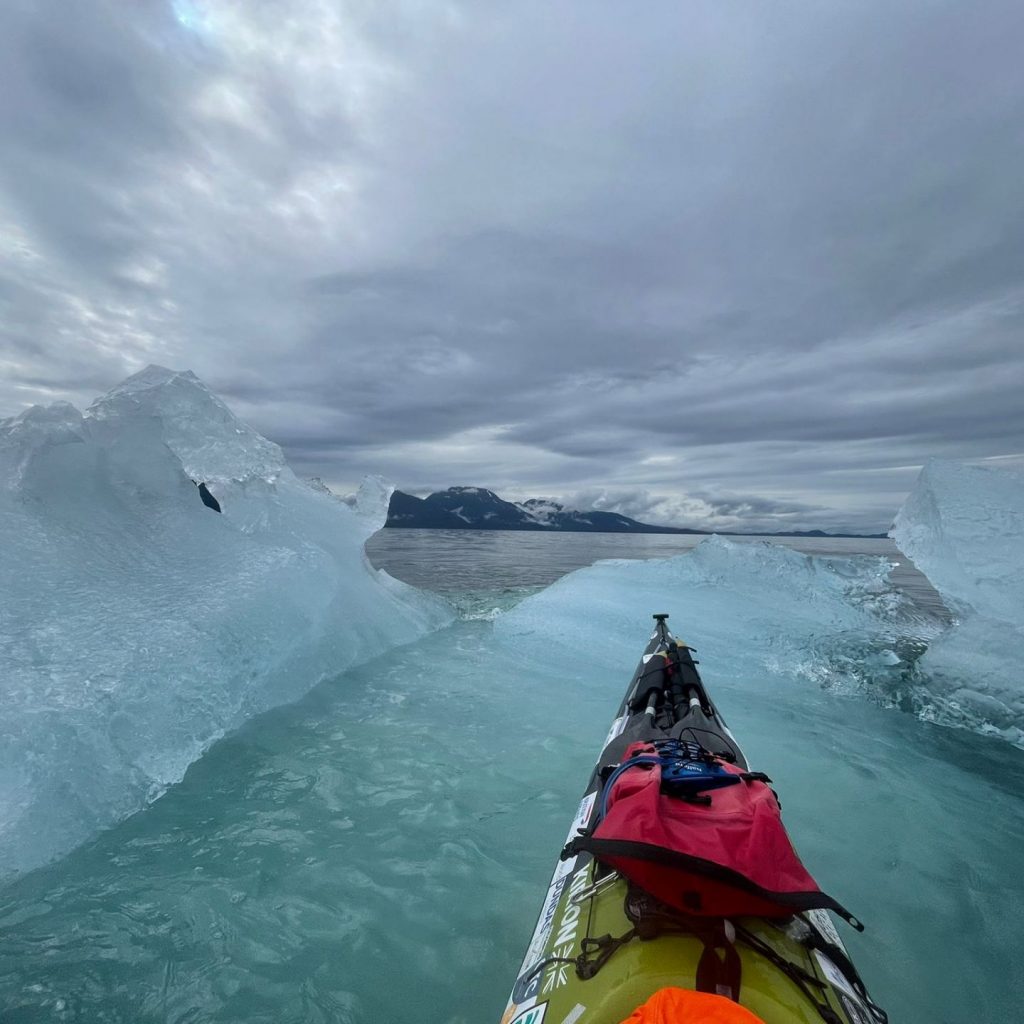
The team: Team Forces of Nature, an 8-man team of six injured veterans - with a range of injuries from gunshot wounds to amputations, paralysis to PTSD - and two able-bodied civilians. (7 of the team pictured left with local expert kayaker Susan Conrad).
The challenge: A 2,000km unsupported kayak expedition of The Inside Passage from Olympia in Washington State along the Fjordlands of Western British Columbia to Skagway in Alaska, estimated to take 90-100 days from May to August 2023. An infamous route with a forbidding coastline, unpredictable waters and dangerous wildlife. The expedition is raising vital funds for The Not Forgotten, as well as raising awareness of veterans' issues and encouraging all veterans to aim for their personal goals regardless of their visible or hidden trauma.
Current position:
Our most recent comms from the team was on 7 July - Day 61 of the expedition - when they had reached Meyers Chuck in Alaska - approximately two thirds of the way along their route from Olympia to Skagway.
The route over the last four weeks:
Since our last update, the team struck out from Port Hardy and the top of Vancouver Island on 13 June - forced by dangerous weather conditions to travel by ferry bypassing Cape Caution to reach Bella Bella.
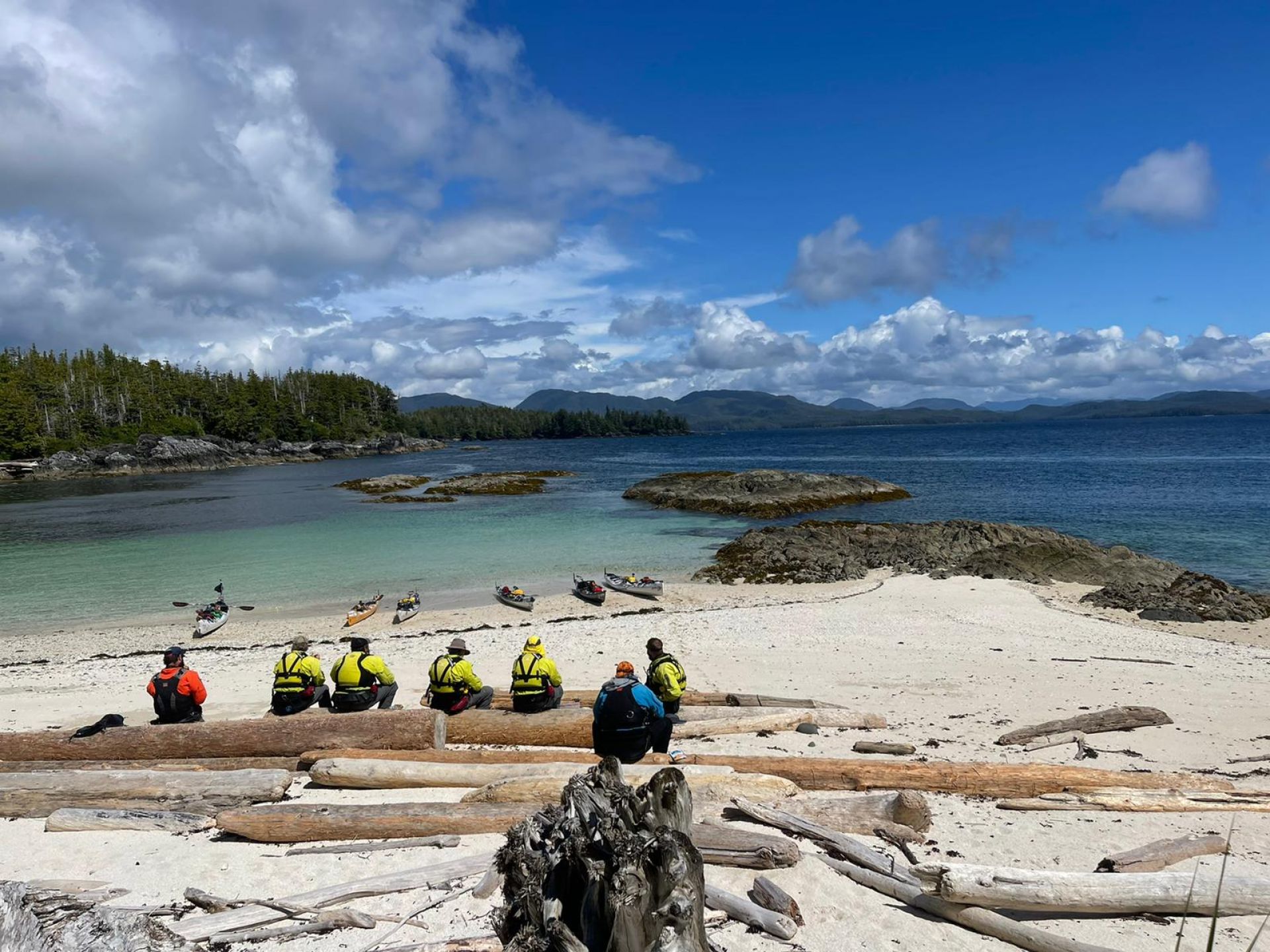

After a very special night's stay with the Heilstuk Nations people at Bella Bella they proceeded through worsening rain and fog conditions to Dallas Island, through Higgens Passage West and camped up a series of islands up the BC coast to Oona River then Prince Rupert - where they stopped 27-29 June for supplies and kit repairs.
Leaving Prince Rupert the expedition took on the dangerous Dixon Entrance and Portland Inlet to reach Proctor Island, then crossed the border into Alaska, reaching Ketchikan on 4 July.
They are now navigating up between Prince of Wales Island and the Cleveland Peninsula; on 7 July (the last update from them) they had made it to Meyers Chuck - a distance of some 630km paddled since Port Hardy - or around 475,000 paddle strokes each!
Highlights...
An evening spent at the Heiltsuk Nation's camp:
"What a special day! The Heiltsuk Nation escorted us into our camp site... We met the Chief and we got invited to the Big House made out of these massive cedar tree trunks. The team was struck with awe. We were invited for dinner with the community, sharing our story with them and they shared their stories with us. The drumming was supernatural and the dances they performed were magical. Being part of this will stay with the team for as long as we are alive. Just catching a glimpse of their history and traditions, the connection they have with nature and their values of respect, sharing, honour and caring for one another and for the natural world. Spending time with these amazing people brought so much joy; I wish I could find the right words to do it justice. I personally will leave Bella Bella a better man with more respect for Mother Nature and will try and live their values..."
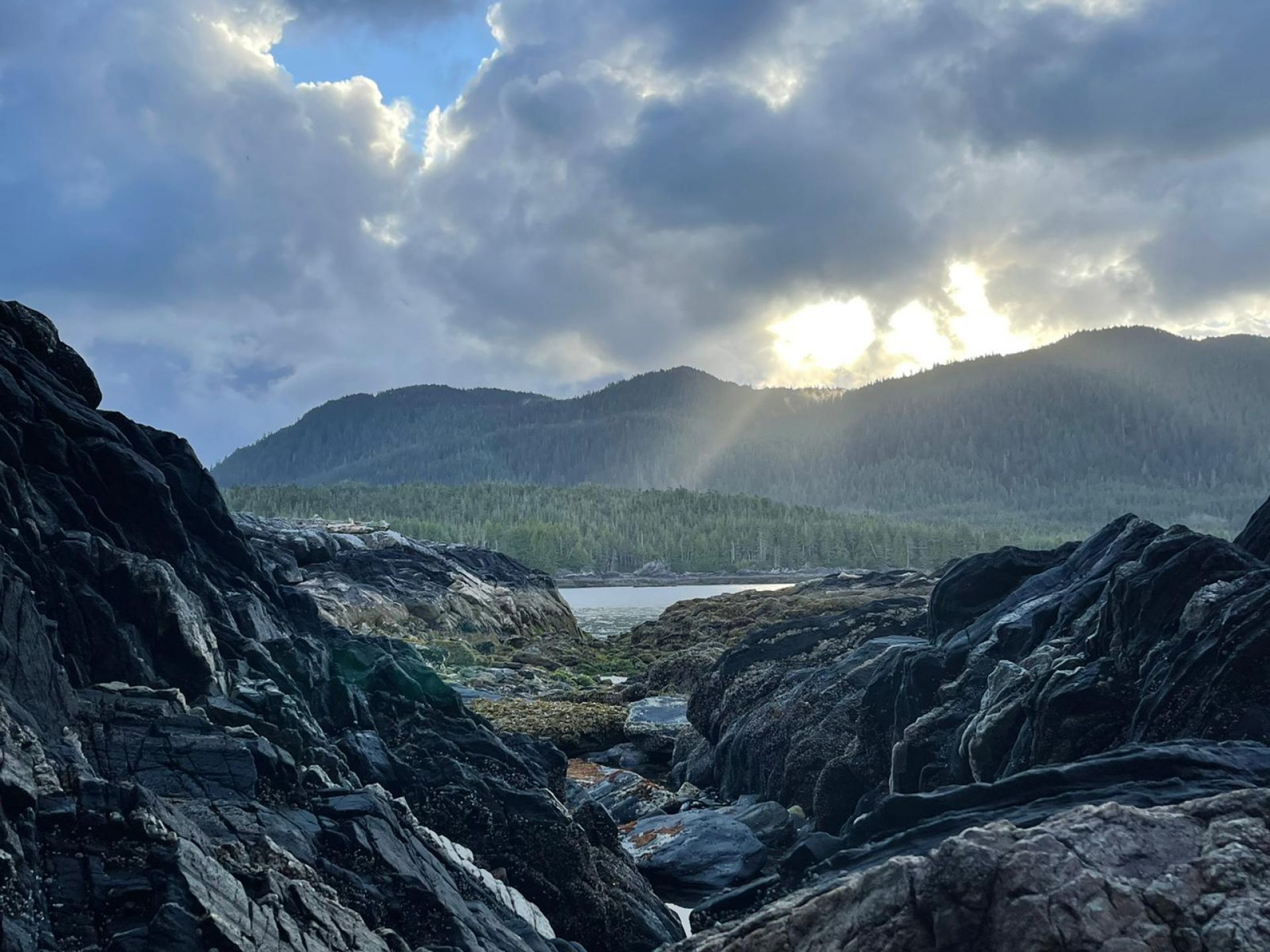
Paddling with humpback whales:
"Day of days! This has to be one of the best days of kayaking ever!! Where to start? This day was filled with magic, awe and wonder... The depth of the mountain ranges lining your left and right, the infinity pool effect in all its glory, polished glass to paddle on, flow helping you gently, the mist on the mountains so fine it looks like a blanket spun by a million spiders. Paddling in silence, the flotilla of kayaks carving their way through the water, the sound your paddle makes when you skim it across the surface, the glimmer as the water droplets fall from your paddle. That feeling of being in the wild.
Then the excited shouts! Whales! Whales! 12 o clock from your position – this massive tail crashing down, water spraying into the air! Then another then another then another! Seeing these beautiful creatures breaching then diving – their massive bodies gliding through the water. A pod of four humpback whales - coming together their massive jaws opened breaking the surface. The sound they make reverberating through your core, and echoing through the channel."

...And challenges
Most of the time the kayakers are contending with the challenges of the wilderness - isolation, wildlife and weather. They are kayaking in 5-6ft swell, through rain and fog, having to paddle with extreme caution when black bears are spotted close by. The mental as well as physical strength to keep going for hour after hour, get up in the morning often into wet clothes and pack everything back into your kayak and carry on.
Longer periods with no contact with the outside world - at one point on this stretch they went 11 days without signal to contact their loved ones.
Their rations are small, having to carry supplies for long stretches. They kayak hard for hours on just one cheese and meat wrap for lunch. Drinking water is collected from rain water and streams then filtered. The excitement was real when two extra men joined the team for a few days, bringing with them ingredients to make campfire chocolate cake! They also meet some unexpectedly different challenges when they come out of the wilderness and hit 'civilisation' - such as the many cruise liners, speed boats, hovercrafts and sea planes at Ketchikan.
When Mother Nature doesn't play the game
"This is where it starts to get hard – every kayaker will tell you anyone can kayak in the sun but not everyone can kayak in the rain. You get stripped of every bit of comfort you have. Your tent is wet, your sleeping bag is wet, your clothing is wet, your paddling clothes still have half the beach on them!
Now you have to wake up damp then look over to your paddling clothes that still have half the beach on them, still wet from the previous day - big sigh as you get out of your sleeping bag, take off your clothes then bigger sigh as you put on your paddle clothing – the cold slimy feeling running down your spine! Get some hot breakfast in you as soon as possible - your day is starting! No comfort, no sunshine, weather against us and kilometres ahead...
Navigating is getting harder with little visibility. Trust the bearing, trust your line, trust the navigator. We paddled with a very confused ocean, the swell and waves coming from every direction. Crossing over vast amounts of water, the fog horns breaking the spell through the mist..."


"When mother nature doesn’t play the game, today was one of the hardest paddling days we experienced! The wind was howling – I can only describe it as relentless sadness... The feeling of pushing a pea through custard – that was our whole day! Every inch was fought for, every inch gained was earned. Every fibre of your being crying out, every sinew and muscle stretched to breaking point. Every callus on your palms tells a story, every scar nick and cut adds to your story.
Then that human kindness from the American Legion Post No 3 - that making of relationships and our shared military past and hearing stories, sharing laughter. Thank you so much for hosting us. Ketchikan was Alaska’s first town and seeing it all decked out in red white and blue for 4th of July Independence Day Celebrations was a sight to behold. And the fireworks – wow! It was such a great feeling to not put up a tent and sleep on a level floor - I worked out the last time I slept in a bed was the 17th April!" (Day 58 - 4th July)
The final stretch ahead...
The final 600 or so kilometres will see the kayak team push themselves even harder as they navigate up the unforgiving Alaskan coastline, past Hobart Bay and Juneau to Glacier Bay National Park and their final destination point, Skagway. The physical and strength required is hard to imagine, and the mental strength even more so:
"The little voice in your head, that flurry of negative thoughts, that little whisper becomes a scream that tries to drown out everything else. You can either listen to that scream or do something about it. The body is a machine that you tell what to do and it will listen and those fibres, sinew and muscles will act accordingly. So you tell the machine what to do: you will put that paddle into the water, you will push with your leg, you will rotate and you will do it until I tell you we are at the campsite.
Feel the connectivity with the kayak, feel the waves, breathe, relax, get yourself back into your cadence, keep the momentum. Look at what you achieved so far! Look at the beauty in everything. Give yourself credit. Time to smile, be a better person than yesterday."

Quotes taken from the team's blog: Kayak The Inside Passage – Forces of Nature | Blog (kayak-insidepassage.com)
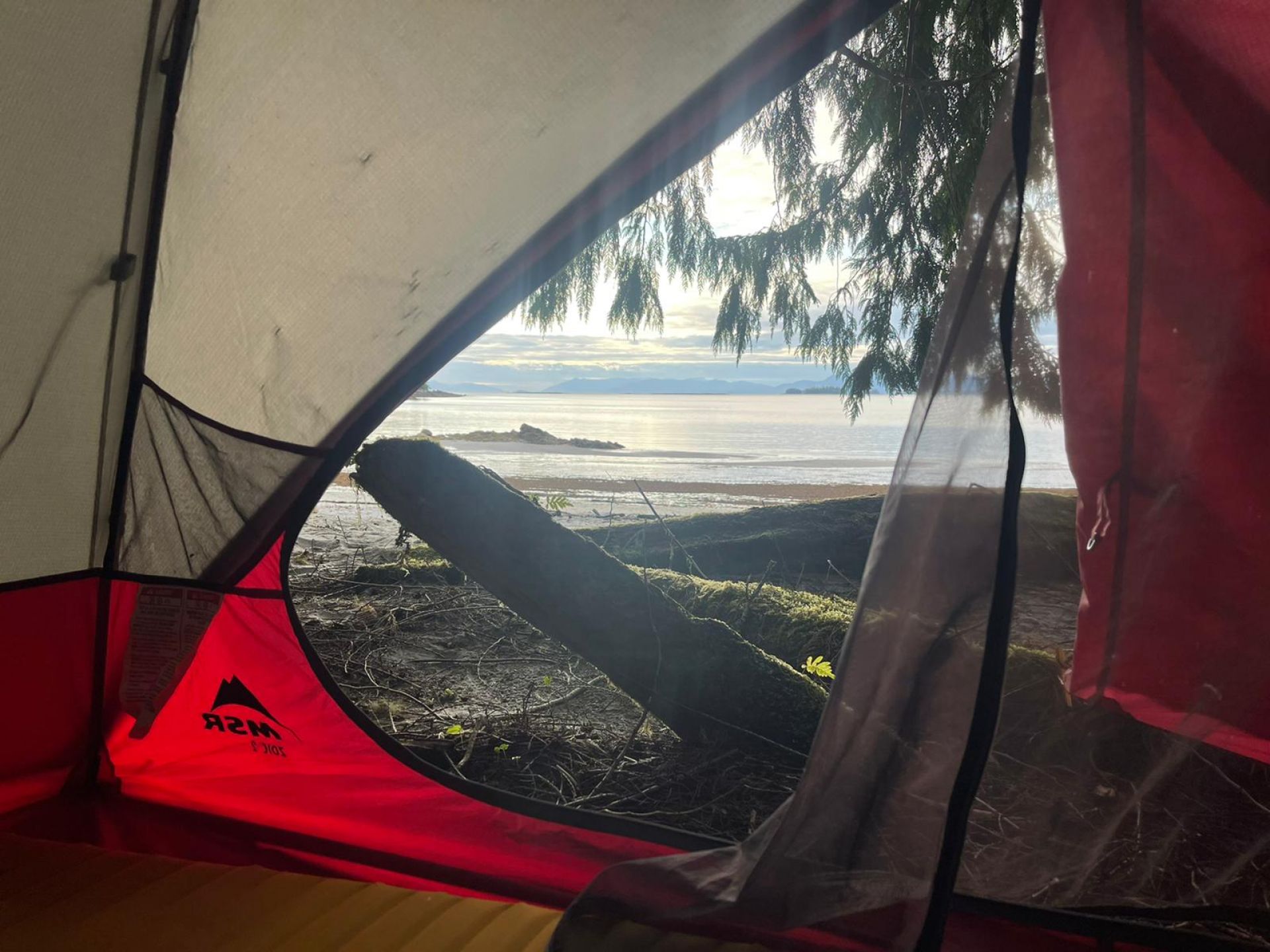


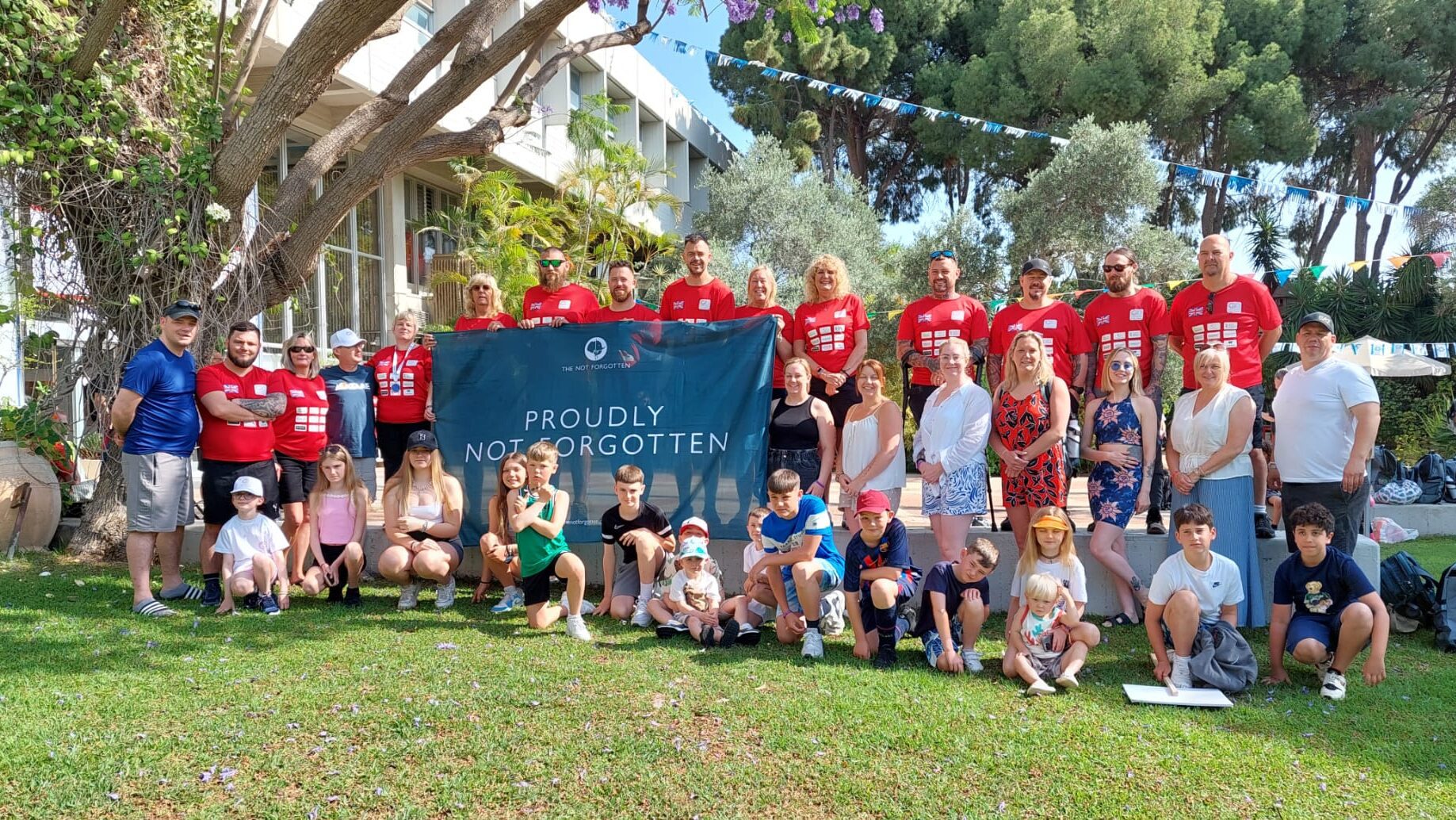
Beneficiary Mark Harrison describes the experience of taking part in The Veteran Games in Israel as a representative of The Not Forgotten in May 2023...
At the end of February I was offered the opportunity to go to Tel Aviv in Israel to compete in The Veteran Games at the end of May: an opportunity not only for myself, but also for my youngest children Finley (11) and Freddie (8), who were invited to come with me. I did not realise beforehand just how incredible this opportunity would be.
I have suffered with PTSD for 25+years, a condition that requires a lot of work to keep on top of each and every day. To be part of an organised event abroad would be tough, the mental barriers would be difficult; but I was determined to make it as it was a once in a lifetime opportunity for me and my children to go somewhere like Israel.

We have just returned to the UK after a truly mind-blowing experience. From the very first minute, every one of the 180 veterans and their families were treated like royalty.
The organisers of the event, comprising of representatives from both the UK & Israel, had everything covered.
Not only was this an event that consisted of competition between British and Israeli Defence Force Veterans, but also cultural visits around a truly beautiful country. We stayed in a very nice hotel on the beach front in Tel Aviv, and had a historical tour of the city.
We visited Jerusalem with a historical tour, taking in many beautiful spots, including the Wailing Wall and King David's Tomb. We also visited the Dead Sea and had a meal overlooking the desert, where the children made bread and played on bongos!
The children had two days of football training with coaches from two professional Israeli football teams, as well as countless other activities over the week including surfing lessons.
The sporting events in the Games themselves consisted of swimming, Cross Fit and shooting. The support from everyone, regardless of their nationality, was incredible and really spurred us on as competitors. I took part in Cross Fit, which was a very tough event, but I gave it my all. My second event was shooting and I am very proud to say that I came away with a silver medal in this competition.
Overall, this experience has had a huge impact on both myself and my children.
We had so much fun with the other Veterans and their families and we got to know people from a different culture.
We will always remember this trip. I am truly grateful to everyone involved for their hard work in organising this event.
Shalom 

Mark Harrison
See more photos of The Veteran Games in our Gallery

The team: Team Forces of Nature, an 8-man team of six injured veterans - with a range of injuries from gunshot wounds to amputations, paralysis to PTSD - and two able-bodied civilians. (7 of the team pictured left with local expert kayaker Susan Conrad).
The challenge: A 2,000km unsupported kayak expedition of The Inside Passage from Olympia in Washington State along the Fjordlands of Western British Columbia to Skagway in Alaska, estimated to take 90-100 days from May to August 2023. An infamous route with a forbidding coastline, unpredictable waters and dangerous wildlife. The expedition is raising vital funds for The Not Forgotten, as well as raising awareness of veterans' issues and encouraging all veterans to aim for their personal goals regardless of their visible or hidden trauma.

Current position:
Having covered over 760km in their first 28 days, on 5 June the team reached Port McNeil at the northern tip of Vancouver Island in British Columbia.
They stopped for a few days to restock supplies, recharge electronics, wash and sort kit, before setting off again and reaching the Cattle Islands on 6 June.
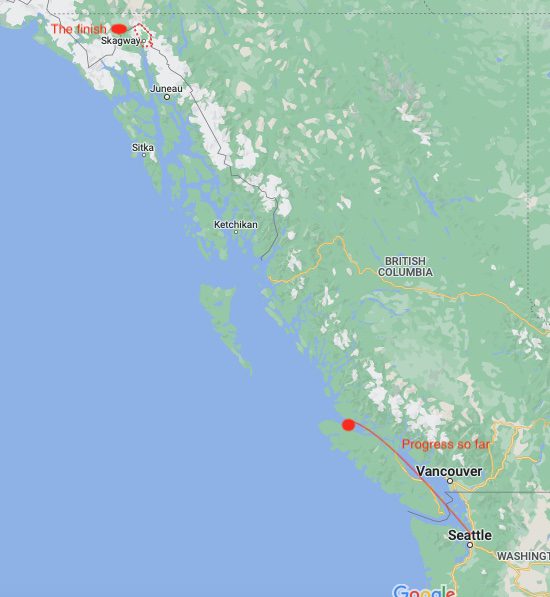
The route so far:
After a week’s unscheduled delay in Seattle following the team’s kayaks and equipment being held up in transit, Team Forces of Nature finally set off on 7th May on an adventure several years in the planning.
They departed from Steilacoom, Seattle with an uplifting send-off from locals, before crossing into Canadian water and navigating up the coast of British Columbia, covering an average of 24km per day.
The route from Washington then up around the East coast of Vancouver Island, camping at spots like Vashon Island, Blake Island, Possession Point, Oak Harbour, Blind Island State Park, Blackberry Point, Nanaimo, Rathtrevor, Shelter Point, Powell River, North Copeland Island, Stuart Island, John’s Point and Hardwicke Island.
On the Washington and Vancouver Island coasts they encountered locals delighted to furnish them with food and good wishes or to let them camp for free. But they will experience increasingly less human contact as weeks go by.
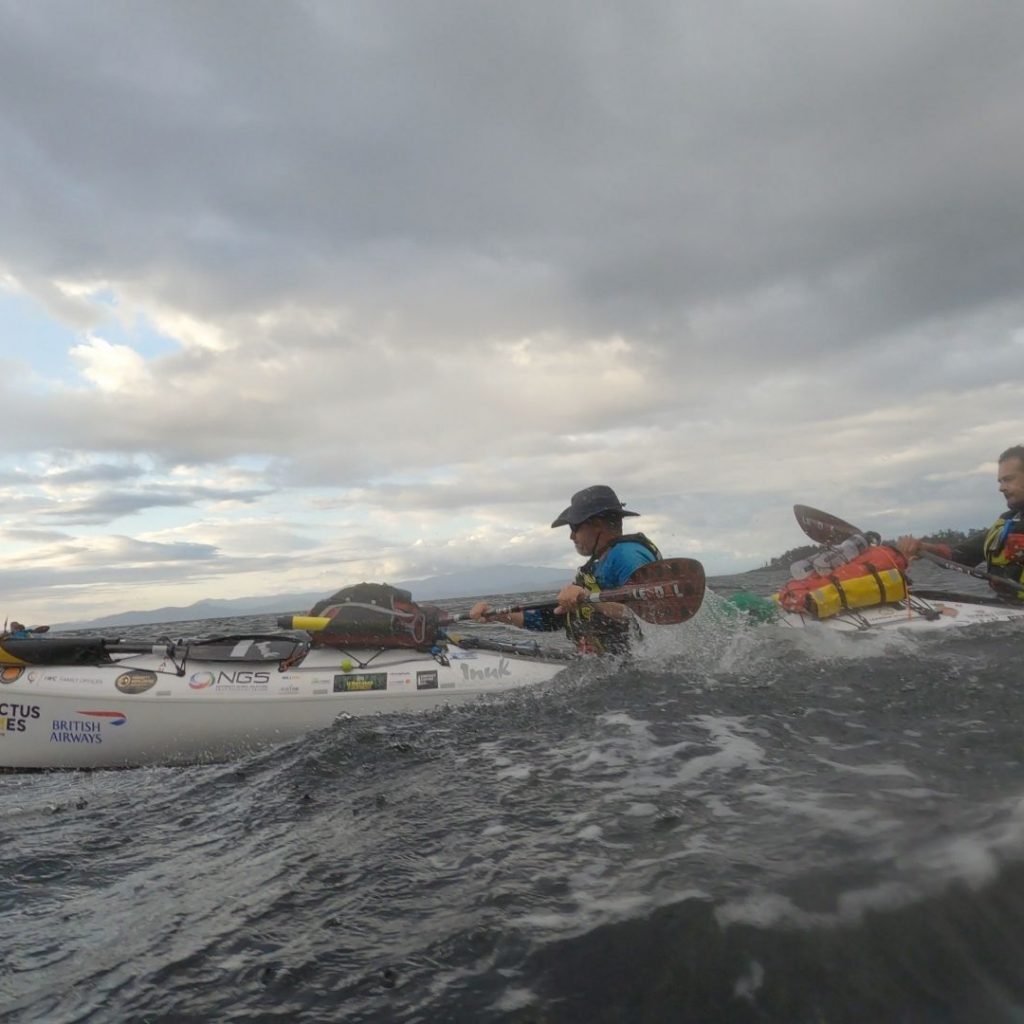
The challenges so far:
Until now the team have been fortunate with the weather but have still faced all sorts of challenges in their first few weeks. The water temperature is around just 5 degrees, and the flow of the water can be with them – or against, hugely affecting progress. Plotting the tides is vital, as is knowledge of how to navigate rapids and whirlpools.
They’ve had to contend with illness, equipment like foot pegs (vital for amputee kayakers), steering systems and rudders failing, having to conduct makeshift repairs whilst out on the water. Throw in periods of howling winds, low supplies, food cravings, physical and mental exhaustion and homesickness, and a picture soon emerges as to just how mentally tough and courageous this team of veterans is.
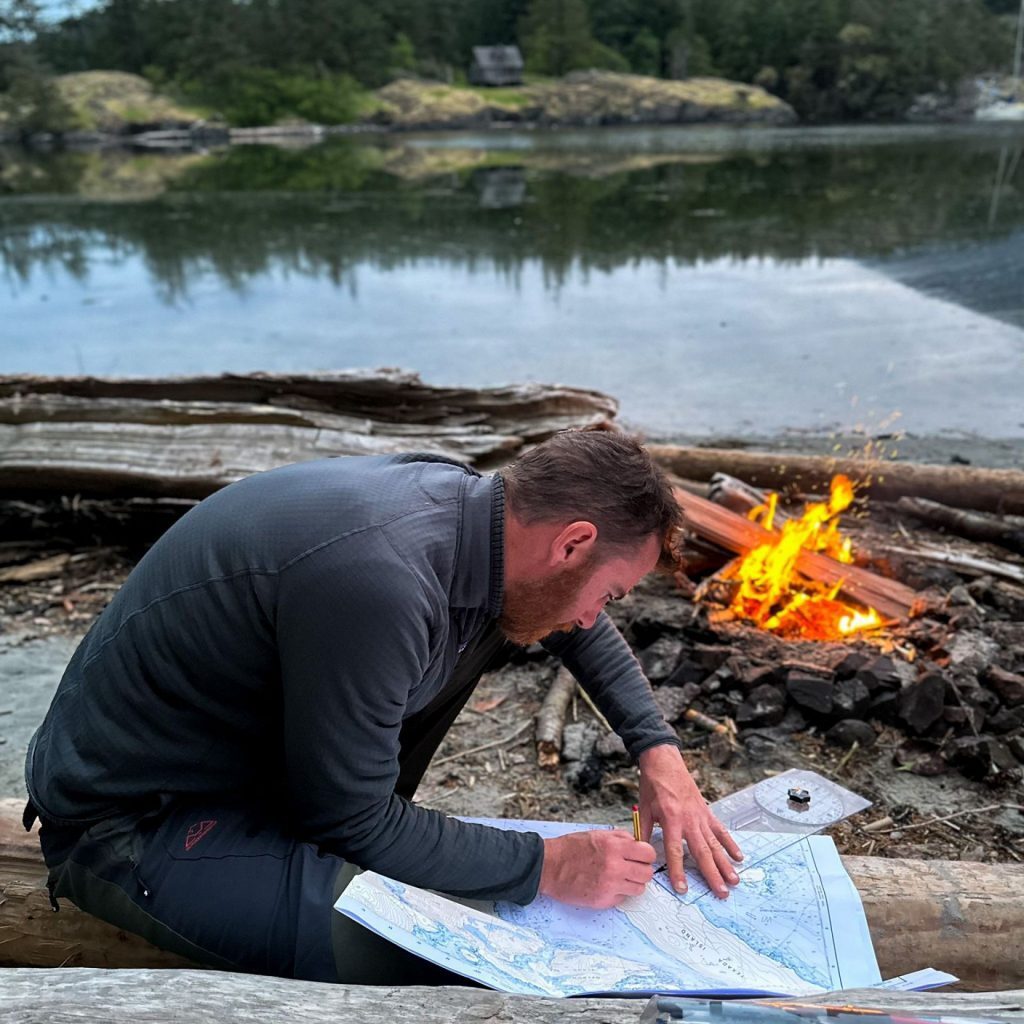
They need to know their specialist equipment (not just those normally used by kayakers but also the adaptive equipment to enable amputee kayaking) as well as all their charts and tech inside out, and be prepared to re-think plans in an instant.
They report having to learn to temper anger and frustration when they can’t control things, and how they have quickly adapted to important camp routines each night, pitching somewhere safe and getting food and rest before the daily struggle the next morning of packing your dry bag and its incredible amount of kit into your kayak once again.
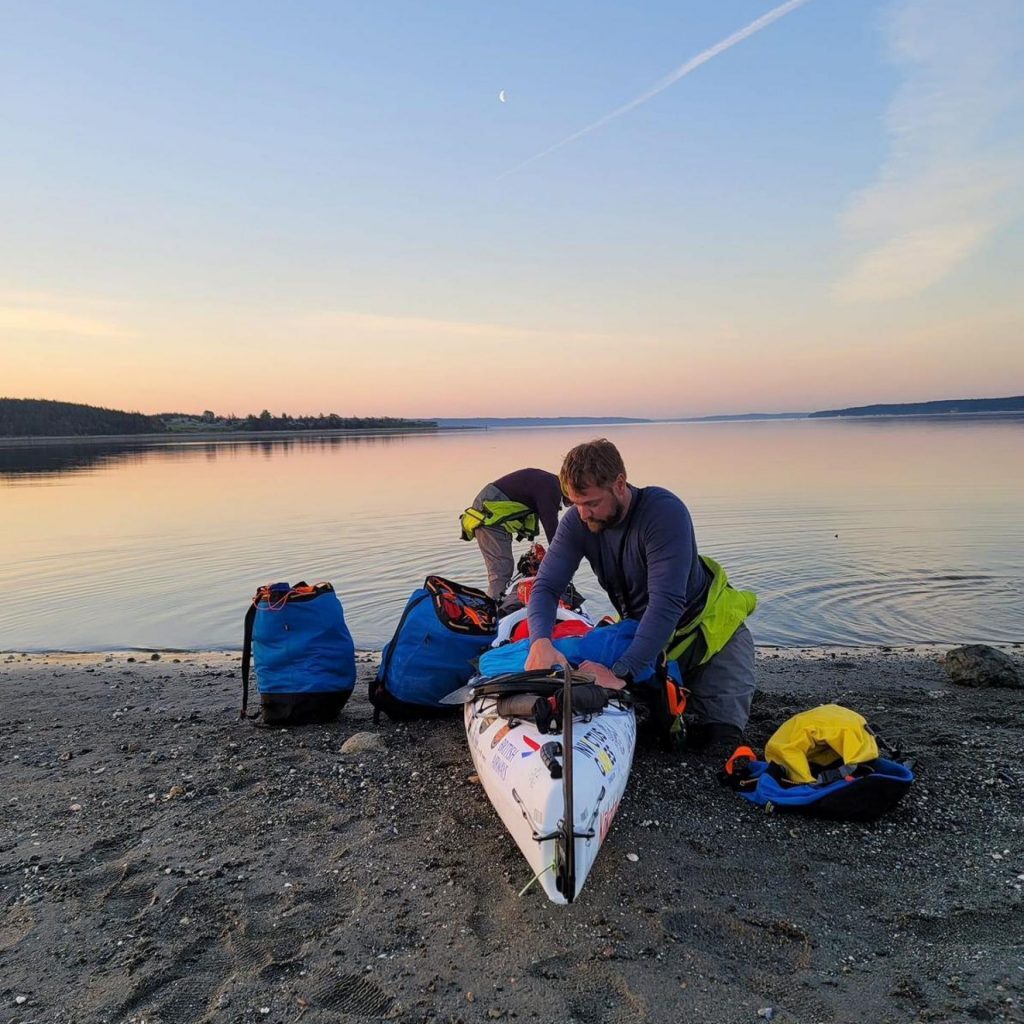
But what an experience...
Set against this is the breathtaking beauty of the landscape they are kayaking through, encounters with wildlife which will live with them for the rest of their lives, the sense of achievement with every hardship overcome and every kilometre travelled, and the almost inestimable feeling of belonging to a team and giving up the self to be part of something altogether bigger.
The team report having been joined by pods of porpoises, a family of three orcas, and a humpback whale breaching 30m from their bow. They’ve seen salmon leaping and kayaked over vast oyster beds, they’ve spotted deer, eagles, otters, and a small black bear (mercifully distant).
They describe the beauty of sunrises and sunsets, snow-capped mountains, trees of rich deep colours, towering cliffs, mesmerising patterns on the water: a bewitching landscape and a feeling of serenity and peace.
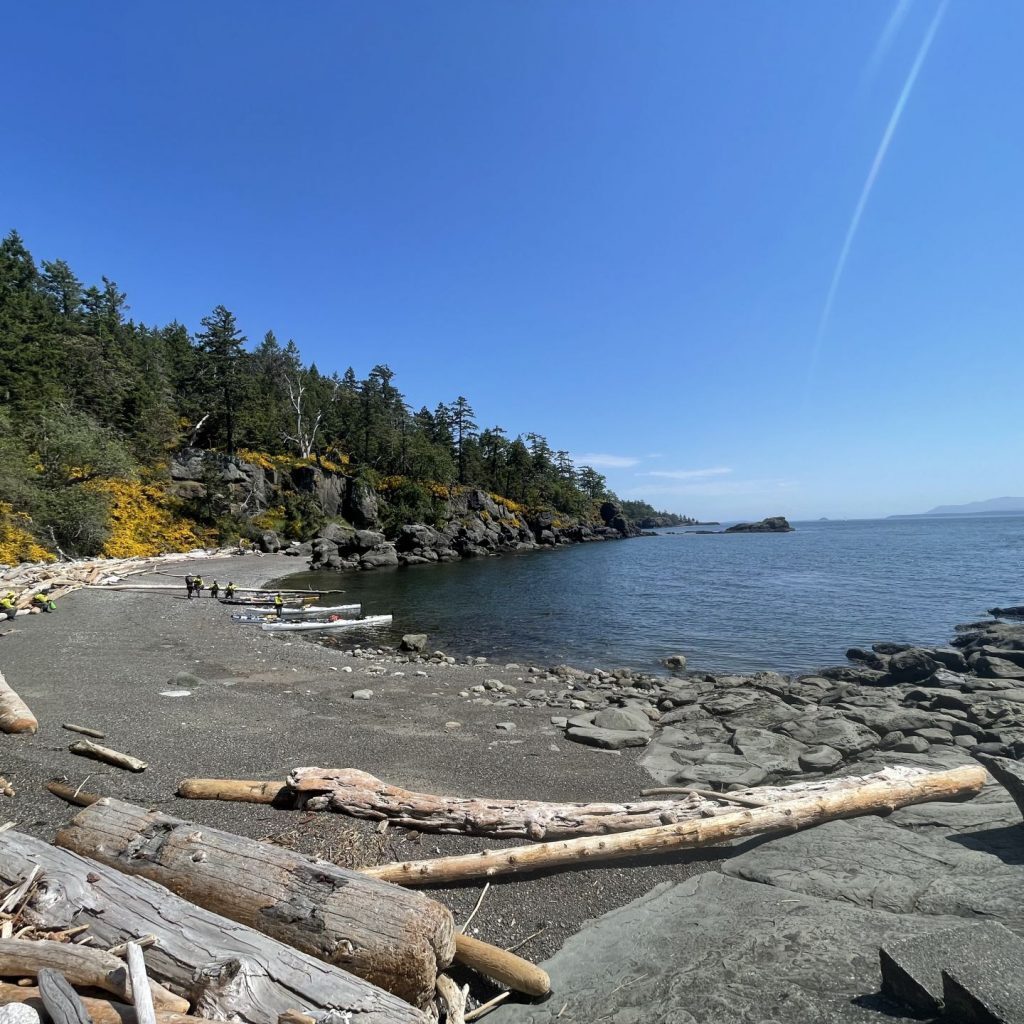
“As we turned to the headlands the sun started to break through, what a sight to behold. This golden staircase appeared on the water through snow-capped mountains; misty outcrops of ragged coastlines – we took a couple of minutes just taking in this beauty, lost in the moment just ‘being’, and feeling kinship with explorers and kayakers past and present…”
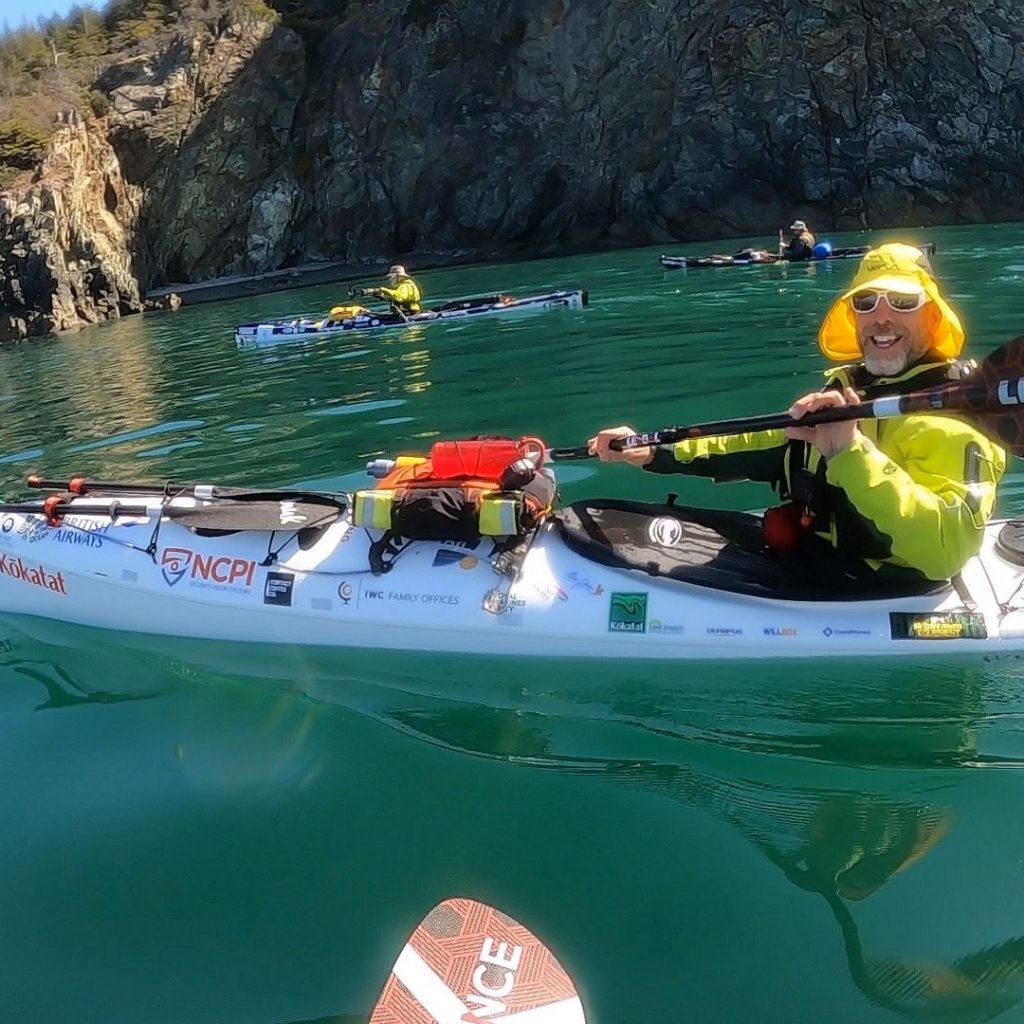
Most of all they describe the overwhelming feeling of striving together as a team, bound together on an adventure of a lifetime:
“Paddling as a team is one of the most fantastic experiences I have had, the formation looks awesome, kayaks staying in line, pushed out to the flanks. But for me it’s not just about the formation, it’s offering yourself up to the team; getting rid of all that bravado, the ‘I am’. It’s slotting into that position that the team comes first, handing yourself over to something that is bigger than you. Being better than you were yesterday, being selfless, committed to these seven guys.”
Awareness raised so far:
As well as fundraising, the team have created waves through the local communities they have encountered on their route and shared their story with; they are being cheered on by local organisations such as the Washington Water Trails Association; they have caught the imagination of experienced Inside Passage kayaker and author Susan Conrad, who personally made a two-hour round journey to deliver new supplies to the team at one of their camps, as well as providing invaluable advice based on her own experiences.
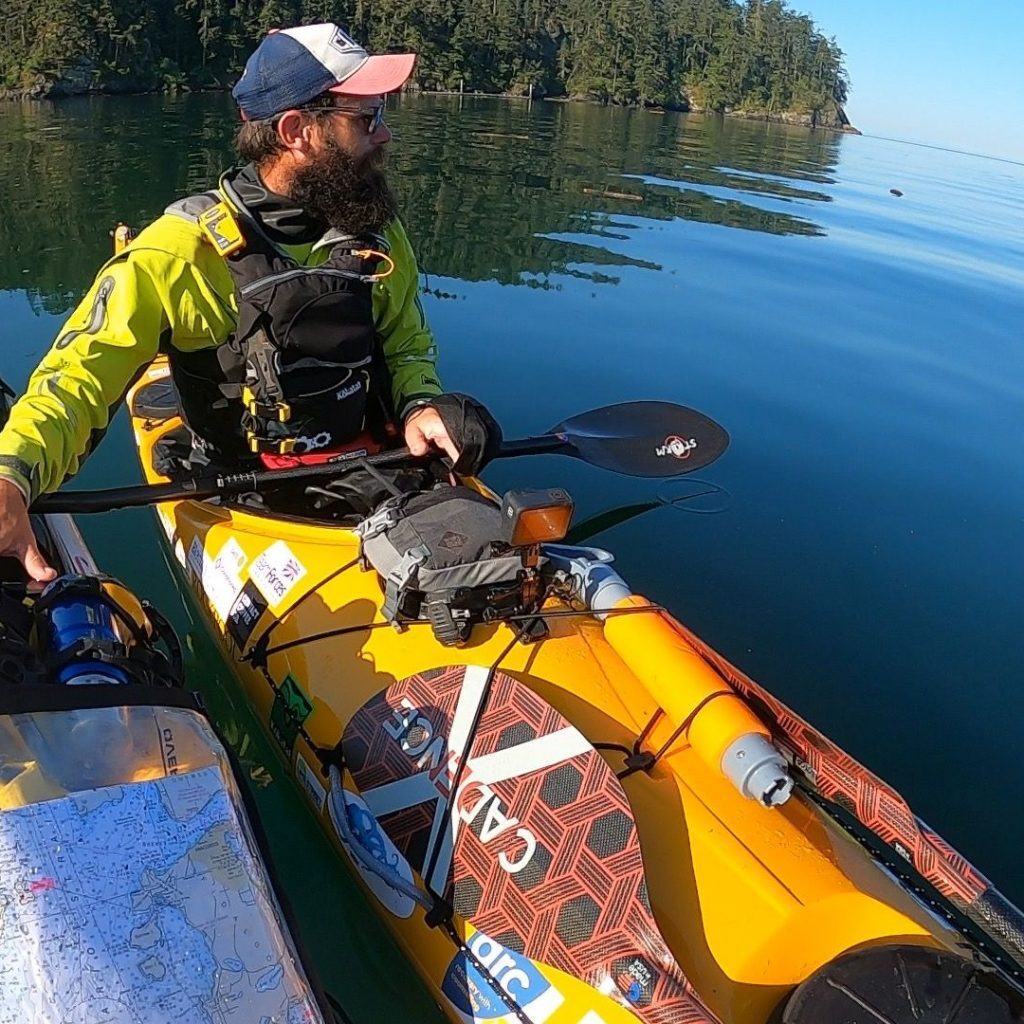
Back in the UK the team’s story has been picked up by BFBS (British Forces Broadcasting), who conducted an interview with the team skipper Theo. This media interest looks set to develop into further potential coverage.
On social media the team's ‘Kayak the Inside Passage 2023’ page on Facebook has over 1000 followers and a they have a further 1,100 following their updates on Instagram.
The team send photo and video updates to their communications team back in the UK (a group comprising both their own and TNF representatives) which we then post on these channels garnering a lot of interest and engagement.
Their website includes a regularly updated .blog which makes fascinating reading: Kayak The Inside Passage – Forces of Nature | Blog (kayak-insidepassage.com)
The challenge ahead...
As the team strike out from the tip of Vancouver Island to navigate up the dramatic Fiordland coastline of British Columbia and into the waters of Alaska, they face even less human contact, intermittent phone and internet communications, and ever more reliance on their own resources, quick thinking, ingenuity and strength to cope with technical or medical issues. They'll enjoy around 19 hours of daylight a day, but on the other hand more exposed and extreme currents and tidal and weather conditions. Physical exhaustion may become more of an issue, and the strain of many weeks on the water with the same group of men. Belief in themselves and belief in the team will become key, as they push themselves to mental and physical limits. But if the last few weeks are anything to go by, what a reward lies in store...